





Understanding Wi-Fi Smoke Detectors: What Makes Them Different?
What is a Wi-Fi Smoke Detector?
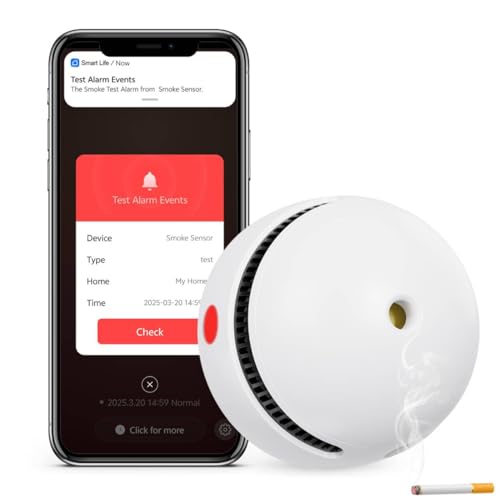
Wi-Fi smoke detectors are advanced safety devices that connect to your home’s wireless network. Unlike traditional smoke detectors that emit loud alarms when smoke is detected, Wi-Fi smoke detectors send instant alerts to your smartphone, even if you’re not home. This feature allows for peace of mind as you can quickly be made aware of potential dangers, no matter where you are.
The Benefits of Wi-Fi Connectivity
One of the key advantages of Wi-Fi smoke detectors is their ability to communicate with your smart devices. Imagine being at work or on vacation and receiving a notification that smoke has been detected at home. This can give you time to react, possibly preventing catastrophic damage. Additionally, many models offer features like automatic testing and self-checks, ensuring your device is always ready to perform.
Key Features to Look For in a Wi-Fi Smoke Detector
Smartphone Alerts and Notifications
When selecting a Wi-Fi smoke detector, look for one that provides real-time alerts to your smartphone. This feature is essential for immediate awareness of any issues, allowing you to act quickly.
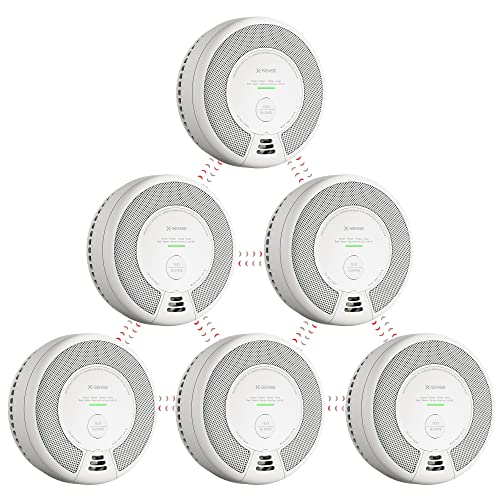
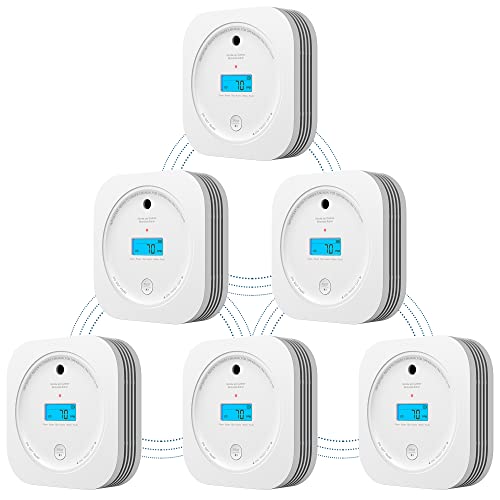
Interconnectivity with Other Devices
Consider models that easily integrate with other smart home devices, such as security cameras or home automation systems. This integration can lead to a comprehensive safety system, enhancing your home’s security.
Battery Backup
Opt for smoke detectors that have a battery backup option. Even if there’s a power outage, a reliable smoke detector should continue to operate, ensuring constant vigilance.
Test and Silence Functions
Look for devices that include a test feature, helping you confirm the detector is functioning properly. A silence function can also be helpful for those inevitable cooking accidents where smoke sets off the alarm.
How to Set Up and Connect Your Wi-Fi Smoke Detector: A Step-by-Step Guide
Gathering Your Supplies
Before starting, make sure you have your Wi-Fi password, a smartphone for installation, and a ladder if you need to reach a high-ceiling area for the installation.
Installing the Detector
Choose a location that is smoke-prone, like kitchens and hallways. Follow the manufacturer’s instructions for installing the bracket and securing the detector. Ensure it’s not placed too close to appliances that might cause false alarms.
Connecting to Wi-Fi
Power on the detector, then use the app provided by the manufacturer. Follow the prompts within the app to connect to your home Wi-Fi. This process usually involves selecting your Wi-Fi network and entering the corresponding password.
Testing the Connection
After setting up, use the app to send a test alert to your phone. This confirms that everything is connected properly and that you will receive notifications if smoke is detected.
Maintaining Your Wi-Fi Smoke Detector for Optimal Performance
Regular Testing
Aim to test your smoke detector monthly. This can generally be done through the app or through a button on the device. Regular checks ensure the detector is in optimal working condition.
Cleaning the Detector
Dust and debris can affect the performance of your smoke detector, so it’s advised to clean it regularly. Use a soft cloth or vacuum attachment to remove dust buildup.
Battery Replacement
If your smoke detector runs on batteries, ensure that you replace them at least once a year, or opt for a model that features a long-lasting lithium battery.
Comparison of Top Wi-Fi Smoke Detectors on the Market
Choosing the Right Model for Your Needs
With various models available, it’s crucial to compare features such as alert systems, battery life, and connectivity options. Evaluate what specific functionalities are most important for your household.
Price and Value
While prices can vary greatly, you should balance cost with features to ensure you’re not only getting a good deal but also a resource that enhances your safety effectively.
User Reviews and Experiences
Looking at reviews from individuals who have purchased and used Wi-Fi smoke detectors can provide valuable insights into the reliability and performance of different models.