






Introduction to Weather Stations: What They Are and Why You Need One
Understanding Weather Stations
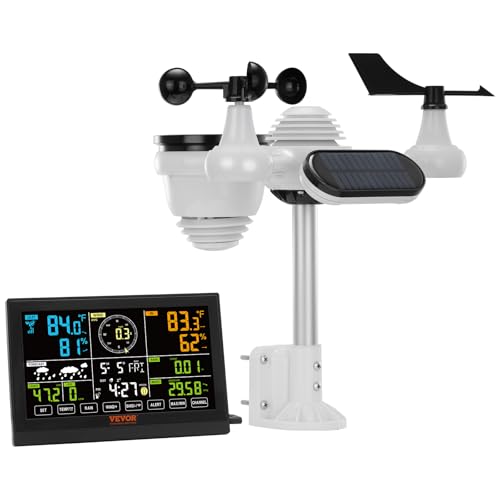
Weather stations are devices designed to observe and record various meteorological elements such as temperature, humidity, rainfall, wind speed, and atmospheric pressure. Imagine having the ability to access real-time weather information right from your backyard, allowing you to plan your daily activities with greater accuracy. Whether you’re gardening, hunting, or just curious about climate trends, a weather station can keep you informed.
The Benefits of Owning a Weather Station
Owning a weather station offers numerous benefits. You can monitor microclimates specific to your location, which is particularly valuable for gardeners who need to keep an eye on frost conditions or humidity levels. Additionally, having personal weather data lets you track seasonal changes over time, making it easier to predict how weather patterns will impact your routine.
Key Features to Consider When Buying a Weather Station
Essential Measurement Features
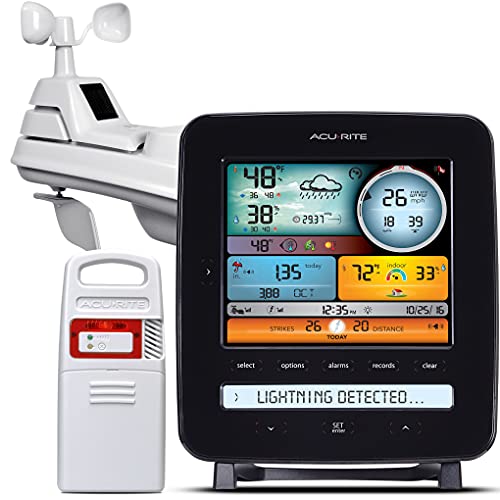
When selecting a weather station, consider the variety of measurements it offers. Look for stations that provide temperature, humidity, wind speed and direction, rainfall, and barometric pressure. These elements will give you a comprehensive understanding of your local weather. For example, if you enjoy outdoor activities, knowing the wind conditions can help ensure your safety.
Ease of Setup and Use
As you compare options, pay attention to how easy the weather station is to set up and use. Many models come with user-friendly interfaces, making it simple to start tracking weather data right out of the box. Check that the device has clear instructions and perhaps even app compatibility for mobile management, so you can effortlessly monitor conditions from your smartphone.
Connectivity Features
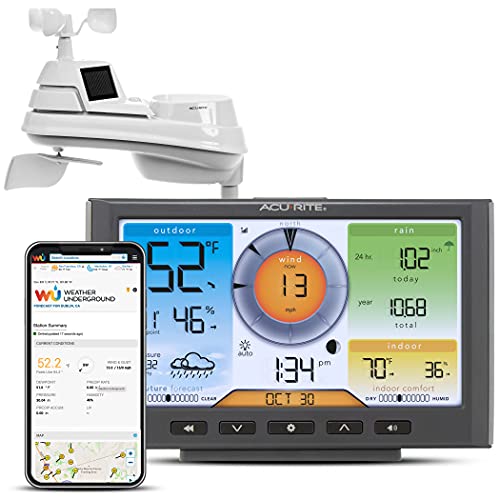
Connectivity options are pivotal in our digital age. Some weather stations offer Wi-Fi or Bluetooth capabilities that allow you to sync data to your smartphone or computer. This way, you can access your weather data from anywhere, keeping you informed even when you’re away from home. If you enjoy sharing data, look for models that integrate with community-based weather networks.
Top Weather Station Recommendations for Every Budget
Budget-Friendly Options
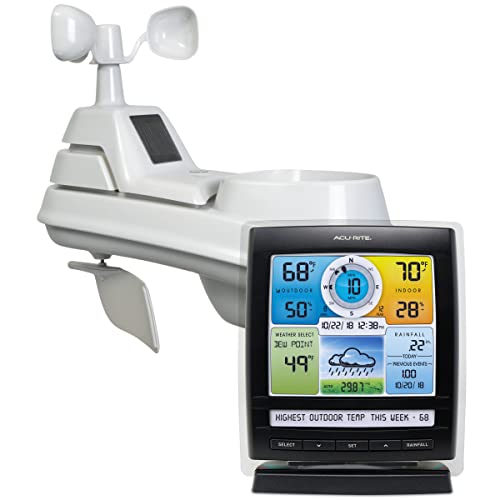
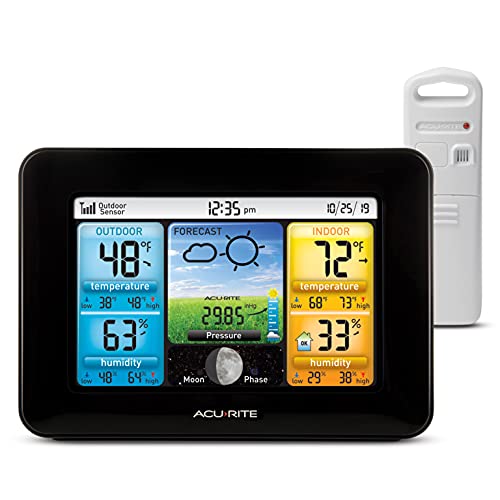
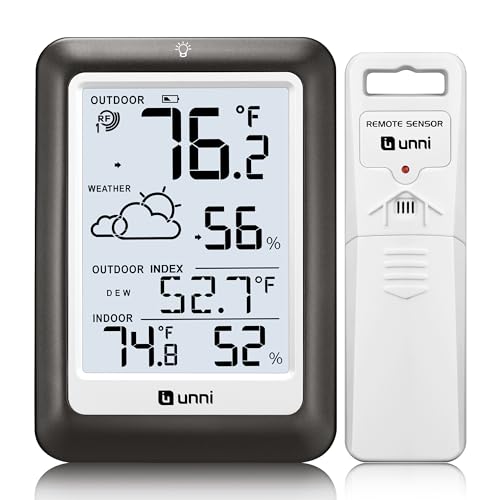
If you are just starting out and want an economical choice, consider mid-tier models that provide essential features without breaking the bank. Brands such as La Crosse or AcuRite offer reliable devices under $100 that come with accurate readings for beginner meteorologists.
Mid-Range Selections
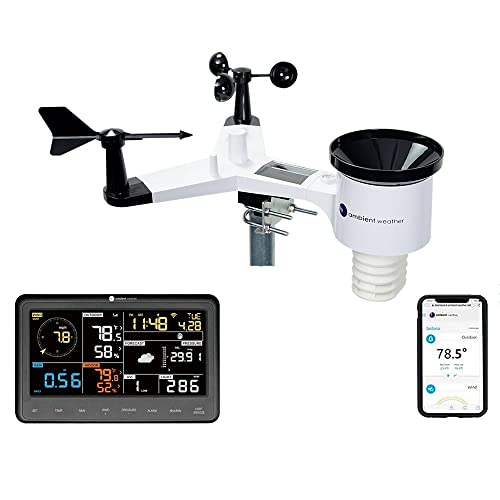
For those looking to invest a bit more, stations around the $200 to $400 range deliver enhanced features, including advanced sensors and connectivity options. Our recommendations in this range, such as the Ambient Weather WS-2902C, provide comprehensive data, including UV levels and extra sensors for monitoring soil conditions.
Premium Weather Stations
If you are passionate about weather monitoring or have a specific need for detailed forecasts, consider premium options over $400. Models from Davis Instruments, known for their high reliability and precision, include extensive sensors and even the ability to integrate with home automation systems, making them perfect for serious hobbyists or professionals.
How to Set Up Your Weather Station for Maximum Accuracy
Ideal Location Installation
Finding the right spot to install your weather station is crucial for getting the most accurate data. Place your station away from buildings, trees, and other obstructions that can block wind or affect temperature readings. Ideally, set it at eye level and at least 5 feet off the ground to prevent ground-level temperature distortions.
Calibrating Your Weather Station
Most weather stations require some calibration after installation to ensure accuracy. Follow the manufacturer’s guidelines for calibration steps, which typically involve setting specific values based on local weather conditions or adjusting sensors for humidity and temperature. This small effort greatly enhances your data quality.
Understanding Weather Data: What the Readings Really Mean
Decoding Temperature and Humidity Readings
Temperature readings are typically expressed in degrees Celsius or Fahrenheit. Understanding the humidity percentage will help you grasp how muggy or dry conditions feel. For instance, a 70% humidity level often signifies a sticky environment, while 30% indicates a dry atmosphere.
Analyzing Wind Data
Wind speed is usually measured in miles per hour or kilometers per hour, and wind direction is expressed in degrees or by compass bearings. By familiarizing yourself with these readings, you can make better decisions about outdoor activities, such as if it’s too windy for a picnic.
Interpreting Precipitation Measurements
Precipitation data indicates how much rain or snow has fallen over specific periods, typically measured in inches or millimeters. This information helps you understand whether it’s necessary to adjust outdoor plans or care for plants that need watering if the rain is insufficient.