






Understanding Different Types of Tool Sets
Variety is Key
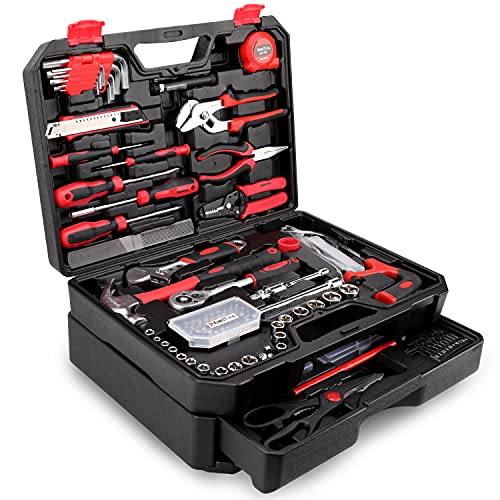
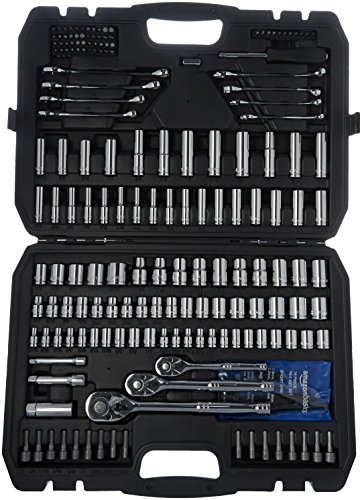
When we think about tool sets, it’s crucial to understand that they come in various types tailored to specific needs. For instance, a basic home repair tool set typically includes essential hand tools like hammers, screwdrivers, and pliers—perfect for tackling minor repairs or assembling furniture. On the other hand, a mechanic’s tool set often has specialized tools like wrenches and sockets that are essential for working on vehicles. If you’re looking to engage in woodworking projects, a carpentry tool set may contain saws, chisels, and levels, all crucial for crafting furniture or structures. Knowing the type of projects you want to undertake will help us identify which tool set fits our needs.
Portable Versus Comprehensive Sets
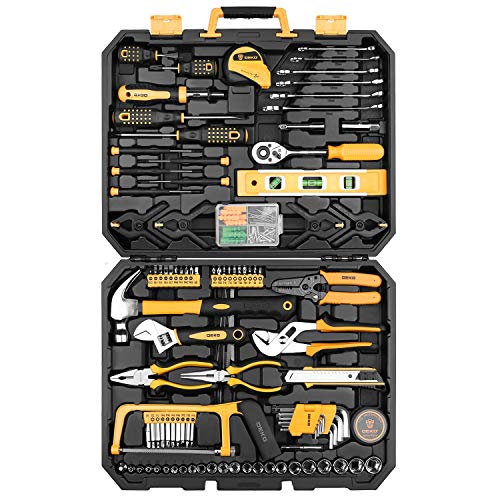
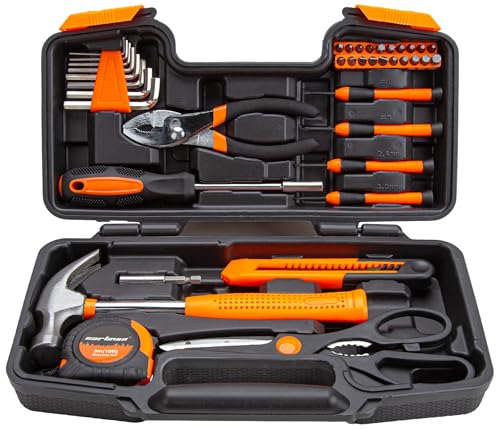
Another factor to consider is whether we need a portable tool set or a comprehensive one. Portable sets are compact and easy to carry, offering a selection of essential tools for quick fixes on the go. They are particularly useful for those who frequently travel or move between job sites. In contrast, comprehensive tool sets often come in larger cases with a broader array of tools. These sets are ideal for someone undertaking extensive projects at home, like renovations or full builds. Choosing between the two depends on how we plan to use our tools and the kind of convenience we desire.
Essential Tools for Everyday Projects
Basic Hand Tools You Can’t Live Without
For anyone embarking on home improvement or simple repairs, a few hand tools are absolutely essential. A sturdy hammer is vital for driving nails and making quick repairs. Screwdrivers in various sizes—both flathead and Phillips—will tackle most fastening needs we encounter around the house. Pliers are indispensable for gripping and twisting wires, while a tape measure ensures our projects are accurately scaled. Together, these tools form the backbone of any efficient tool set and serve a multitude of functions.
Power Tools for Efficiency
As we progress into more involved projects, the introduction of power tools can significantly enhance our efficiency. A cordless drill, for instance, allows us to drill holes or drive screws quickly and with less effort than using hand tools. If we find ourselves cutting boards or materials frequently, a circular saw can save time and provide clean cuts that are tough to achieve manually. Even a simple jigsaw can open new creative avenues for woodworking projects. Investing in a few quality power tools can make a world of difference in our overall project experience.
How to Choose the Right Tool Set for Your Needs
Assessing Project Requirements
When it comes to selecting a tool set, we should begin by assessing the types of projects we plan to engage in. For simple tasks like hanging pictures or assembling furniture, a basic tool set will suffice. If we envision larger projects, such as renovations, a more comprehensive set will serve us better. Additionally, we must consider the frequency of use; a dedicated DIY enthusiast may prefer a higher-quality set that stands up to regular use, while a casual user may only need a basic selection.
Budget Considerations
Budget is another critical factor in our decision-making process. Tool sets can vary widely in price, so it’s important to determine how much we’re willing to invest. While lower-priced sets might be tempting, they often skimp on quality and durability. We should aim for a balance, opting for a set that offers good value without compromising on the quality of the tools. Remember, investing a bit more upfront can save us money long-term when we don’t have to replace tools frequently.
Tips for Maintaining Your Tools for Longevity
Regular Cleaning Is Essential
To ensure our tools remain in top condition, regular cleaning is a must. After each use, we should wipe down metal surfaces to remove dirt and moisture, which can lead to rusting. A simple solution using warm, soapy water and a soft cloth often works wonders. For power tools, following the manufacturer’s cleaning guidelines is key to maintaining functionality and performance. By keeping our tools clean, we extend their lifespan and ensure they are always ready for use.
Proper Storage Matters
Proper storage plays a crucial role in the longevity of our tools. Keeping them in a designated toolbox or a pegboard system not only organizes our space but also keeps tools insulated from potential damage. Additionally, storing tools in a dry area limits moisture exposure that can lead to rust. For power tools, ensuring they are stored with their batteries removed and in a protective case can prevent accidental damage and maintain performance. By establishing a routine for tool care and storage, we can enjoy using them time and again without worry.