







Understanding Tankless Water Heaters: How They Work
The Basics of Tankless Water Heating
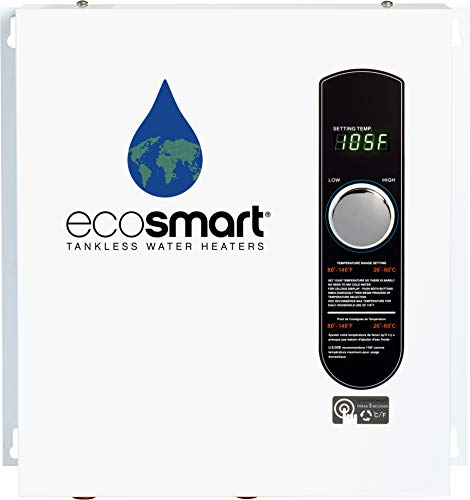
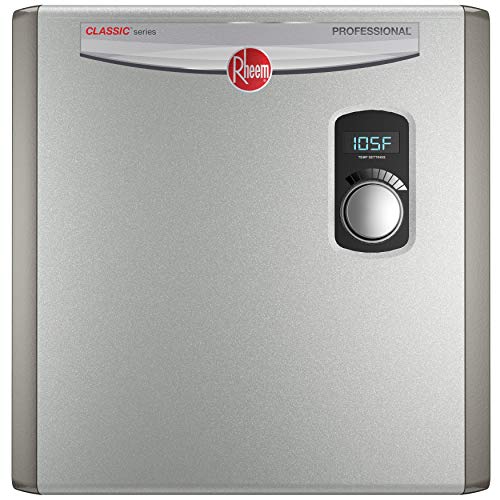
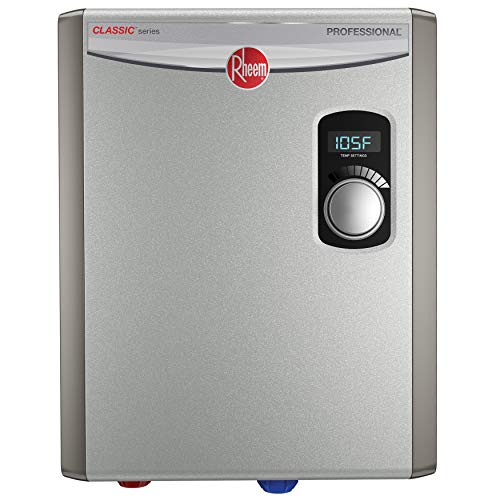
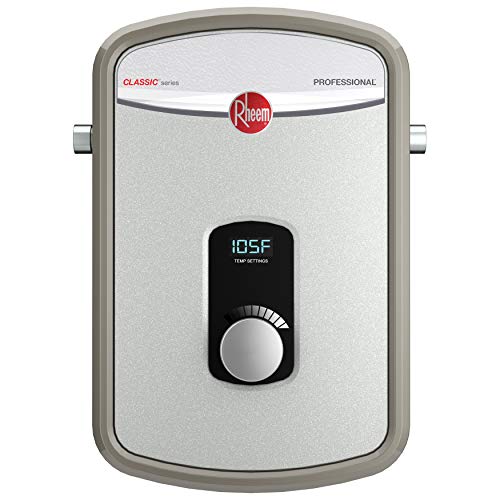
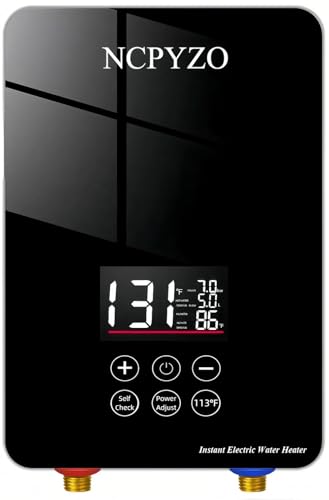
Tankless water heaters, also known as on-demand water heaters, are designed to heat water only when it is needed. Unlike traditional water heaters that store a large volume of heated water in a tank, tankless models eliminate the standby energy loss that occurs when hot water sits in a tank waiting for use. When you turn on a hot water faucet, cold water travels through a pipe into the unit. A gas burner or an electric element heats the water as it flows through, providing a steady supply of hot water. This means that you can enjoy instant hot water without worrying about running out.
Components and Functionality
The key components of a tankless water heater include a heating element, a flow sensor, and a control system. The flow sensor detects when a tap is opened and activates the heater, while the control system regulates the heating process, ensuring that you receive water at the desired temperature. The entire process is efficient and allows for flexible installation options since you don’t have to accommodate a bulky tank. Whether you are replacing an old water heater or installing a new one, tankless options can fit seamlessly into your home’s plumbing.
Key Benefits of Switching to a Tankless Water Heater
Endless Hot Water Supply
One of the most appealing benefits of tankless water heaters is the endless hot water supply. If you have a large family or enjoy long showers, this feature is a game-changer. No longer will you have to schedule showers around the availability of hot water. With tankless systems, each family member can enjoy a comfortable shower without worrying about running out of hot water.
Energy Efficiency and Lower Bills
Tankless water heaters are known for their energy efficiency. Since they heat water on demand, they use significantly less energy compared to traditional models. This efficiency translates to lower utility bills. You might notice a dramatic reduction in your heating costs, especially if your household commonly uses hot water throughout the day.
Space-Saving Design
Another advantage is their compact design. Tankless water heaters can be mounted on walls or tucked into smaller spaces, freeing up valuable floor space. This is particularly beneficial in homes with limited space, where every square foot counts. You have the freedom to utilize your space for other important areas or amenities.
Choosing the Right Size Tankless Water Heater for Your Home
Assessing Your Hot Water Needs
When selecting a tankless water heater, it’s crucial to choose the right size that matches your household’s hot water needs. You’ll want to consider the peak hour demand—the maximum amount of hot water required during the busiest hour of your day. For instance, if multiple showers, dishwashing, and laundry occur simultaneously, a higher flow rate is necessary to maintain comfort.
Calculating Flow Rates
Flow rates are measured in gallons per minute (GPM). A typical shower uses about 2.5 GPM, while dishwashers and washing machines can range from 1.5 to 2.5 GPM. By assessing the total GPM needed during peak times and matching that with the heater’s specifications, you can ensure that your unit meets your home’s requirements. Manufacturers often provide charts or calculators to help you find the appropriate model.
Cost Considerations: Upfront Investment vs Long-Term Savings
Initial Purchase and Installation Costs
Upfront costs for tankless water heaters can be higher than traditional tank models; however, it’s essential to think about the long-term savings they offer. The price for a tankless system can vary based on the model, fuel type, and installation needs. Installation may require modifications to your plumbing or gas lines, which can add to the initial investment.
Evaluating Long-Term Savings
Despite the higher upfront costs, tankless water heaters can save you money over time. They typically have a longer lifespan—often lasting over 20 years compared to traditional models that may only serve for about 10-15 years. Additionally, their energy efficiency leads to lower utility bills, allowing these savings to quickly outpace the initial expense. Over the years, many homeowners find that their tankless system pays for itself through energy savings.
Installation Insights: What to Expect and How to Prepare
Preparation for Installation
Preparing for the installation of a tankless water heater involves several steps. First, if you’re replacing an old model, consider having a plumber assess your home’s plumbing. This will help determine whether any modifications need to be made for the new unit, particularly regarding venting and gas line installation. Ensure that the area where the heater will be installed is clear and accessible.
What to Expect During the Process
On installation day, expect the process to take a few hours or possibly longer, depending on whether any additional work is required. Your chosen installation professional will handle disconnecting your old unit and setting up the new one. It’s a good idea to discuss the proper usage of the new system once it’s installed, including how to adjust temperature settings and routine maintenance tips. After this, you’ll be ready to enjoy the benefits of your new tankless water heater.