


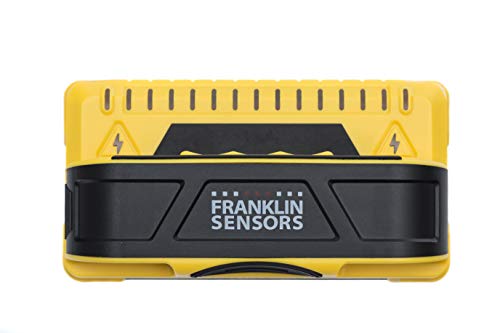


What is a Stud Detector and How Does It Work?
Understanding Stud Detectors
A stud detector is a handy tool that helps locate wooden or metal studs behind walls. When you’re hanging shelves, pictures, or any heavy items, knowing exactly where these studs are is crucial. Studs provide the necessary support for your installations. Stud detectors work by detecting changes in the density of the wall. This density change indicates where the studs are located, allowing you to mark them accurately before drilling or nailing.
How Stud Detectors Operate
Most stud detectors use either electronic or magnetic methods. Electronic models typically emit a signal that reacts to the density changes caused by studs, visually indicating their location on a screen or through LED lights. Magnetic stud detectors, on the other hand, rely on magnets to find screws or nails in the studs. Both types have their advantages, depending on what you need. Therefore, understanding these differences helps in choosing the right one for your home projects.
Key Features to Look for in a Stud Detector
Accuracy and Reliability
When selecting a stud detector, accuracy is paramount. Look for models that provide precise readings, reducing the risk of misjudgment and unnecessary holes in your walls. Some detectors feature depth detection capabilities that inform you how deep a stud is located, which can be particularly beneficial when dealing with multiple wall layers.
User-Friendly Design
We appreciate tools that are easy to use. A good stud detector should come with a clear display, intuitive controls, and ergonomic design. This means that whether you’re a novice or an experienced DIYer, you should be able to operate the device without a steep learning curve.
Multi-Functionality
Some stud detectors offer additional features like AC detection, which can help find live electrical wires, and drywall detection, which helps in locating metal studs. Choosing a multifunctional device not only broadens your project possibilities but also enhances safety during installation.
Types of Stud Detectors: Which One is Right for You?
Electronic vs. Magnetic
Electronic stud detectors are often preferred for their precise positioning and additional features, while magnetic models are generally simpler and less expensive. If you’re doing extensive renovations, an electronic model might be more suitable due to its versatility and advanced functionalities.
Specialty Models
For specific tasks, such as working with thick walls or specialized materials, it might be worth considering specialty stud detectors. These models might feature enhanced capabilities for detecting metal or differing wall specifications, thereby ensuring you have the right tool for detailed work.
How to Use a Stud Detector Effectively
Preparation is Key
Before using your stud detector, it’s important to prepare the area. Clear anything that might obstruct your work or interfere with the detector’s functionality. Ensure the wall surface is clean to enhance the accuracy of detection.
Calibration and Scanning Techniques
Most stud detectors require calibration before use. Follow the manufacturer’s instructions for calibrating the device. Once calibrated, slowly move the detector horizontally across the wall, keeping it flat against the surface. Be sure to scan multiple times, as studs might not line up perfectly vertically.
Marking and Verification
After the detector signals the presence of a stud, we recommend marking the spot lightly with a pencil. It’s a good idea to verify by using a small nail or a screwdriver to double-check the stud’s location before you proceed with drilling.
Maintenance Tips for Your Stud Detector
Regular Cleaning
Keeping your stud detector clean is essential for its long-term performance. Wipe the exterior with a damp cloth after use to prevent dust accumulation that may interfere with the sensors.
Storage Practices
Store your stud detector in a cool, dry place when not in use. Consider using a protective case to shield it from physical damage. This ensures that it remains in good shape for your next project.
Updating Technology
Technology evolves quickly, and stud detectors are no exception. Consider keeping an eye on new technologies or features available in newer models that may enhance your efficiency and accuracy, making your future projects even more streamlined.