


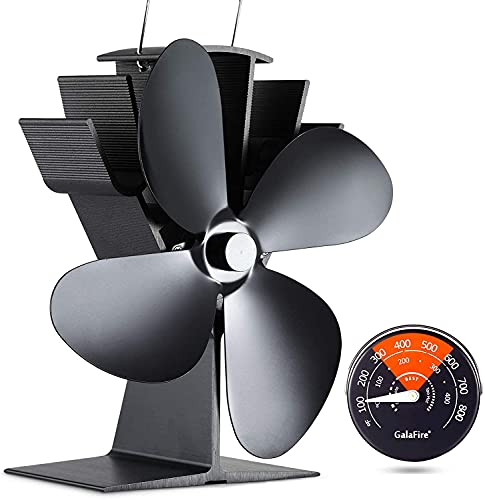


Understanding the Benefits of a Stove Fan: Why You Need One
Heat Distribution Made Simple
When you light your stove, warmth radiates outwards. However, without a stove fan, this heat tends to linger near the fire, leaving colder areas of your room neglected. A stove fan helps distribute heat effectively by using the heat from the stove as its power source. As it spins, it pushes warm air into the room, making sure every corner is cozy.
Energy Efficiency
By enhancing heat circulation, a stove fan can also help reduce your heating bills. Instead of cranking up the thermostat, the fan aids in maximizing the heat produced from your stove, ultimately leading to less reliance on other heating methods. This not only saves you money but is also better for the environment.
Quiet Operation
Unlike other forms of ventilation, many stove fans operate quietly. This means you can enjoy the warmth in your living space without bombarding your senses with noise. It’s a gentle hum of efficiency that blends into your home atmosphere instead of disrupting it.
Key Features to Look for in a Stove Fan: What Matters Most
Material Quality
Stove fans come in various materials, but look for fans made from anodized aluminum or stainless steel. These materials resist corrosion and heat damage, ensuring durability and longevity. Choosing a fan with a sturdy build means you won’t have to replace it every few seasons.
Fan Blade Design
The design of the blades affects how efficiently air is circulated. Curved blades are typically more effective than straight ones as they allow for better air movement. Look for fans that advertise superior blade design to ensure you get the best performance.
Operating Temperature Range
Each fan has an optimal temperature range it operates within, usually between 160°F and 650°F. It’s vital to select a stove fan that can handle the temperatures your stove produces. Fans that can operate at higher temperatures will remain effective and last longer.
How to Choose the Right Size Stove Fan for Your Space
Understanding Room Size
To choose the right size stove fan, consider the size of your room. Typically, larger rooms require more powerful fans that can move a higher volume of air. Conversely, in smaller spaces, a fan with lower capacity suffices. A fan too small won’t distribute heat adequately; too powerful may simply create unwanted drafts.
Fan Dimensions versus Room Dimensions
There’s no one-size-fits-all solution. Measure the dimensions of your room and compare them against the maximum coverage area specified by the stove fan. Finding that sweet spot will ensure your fan operates efficiently, enhancing your heating experience.
Tips for Optimal Placement of Your Stove Fan: Make the Most of It
Positioning Near the Heat Source
Place your stove fan on top of the stove so that it can effectively pull heat from the top of the stove and distribute it throughout the space. The ideal spot is usually directly in the center, but just off to one side can also work well if necessary.
Away from Obstructions
Ensure there’s nothing blocking the airflow from your fan. Objects like utensils, pots, or even decorative items can impede its ability to effectively circulate warm air. A clear path will help the fan function at its best.
Consistency in Placement
Once you find optimal placement, try to maintain it. Frequent adjustments can lead to subpar performances due to changing airflow patterns. Just like a well-tuned instrument, your stove fan performs best when kept in the right position.
Caring for Your Stove Fan: Simple Maintenance Tips for Longevity
Regular Dusting
Stove fans, like any appliance, can gather dust over time. Regularly dusting your fan, especially the blades, will maintain its efficiency and keep it looking clean. A soft, damp cloth works well to remove dust without scratching the surface.
Check the Motor Periodically
Listen for unusual sounds coming from the fan while it’s operating. Occasionally, the motor may need a simple cleaning to prevent buildup that could impede functionality. Keeping the motor clean ensures that your fan runs smoothly, extending its life.
Store Seasonally, If Necessary
During warmer months, if you’re not using the stove, consider storing the fan in a dry, safe place. Protecting it from excessive heat and humidity can prolong its lifespan and keep it ready for action once the chilly season rolls in.