






Understanding the Basics of Space Heaters – What You Need to Know Before You Buy
What is a Space Heater?
A space heater is a portable heating device designed to warm a specific area rather than an entire home. They come in various sizes and styles, making them versatile enough to fit any room or need. Whether you want to take the chill out of your living room during winter or heat up a drafty home office, a space heater can be an efficient solution.
How Do They Work?
Space heaters operate by either using electricity, gas, or oil to generate heat. Electric space heaters convert electrical energy into heat through a heating element, while gas and oil heaters burn fuel to produce warmth. The heat generated is then circulated through the surrounding air or radiated to warm objects and people in the room.
Why Choose a Space Heater?
Opting for a space heater allows for targeted heating, which can be both cost-effective and energy-efficient. Instead of heating your entire home, you can focus on the rooms you use the most, leading to potential savings on your heating bill and reduced energy consumption.
Types of Space Heaters – Finding the Right Match for Your Room and Needs
Convection Heaters
Convection heaters warm the air directly and are ideal for larger rooms. They work by drawing in cold air, heating it, and then releasing the warm air back into the room. They’re excellent for maintaining a consistent temperature.
Radiant Heaters
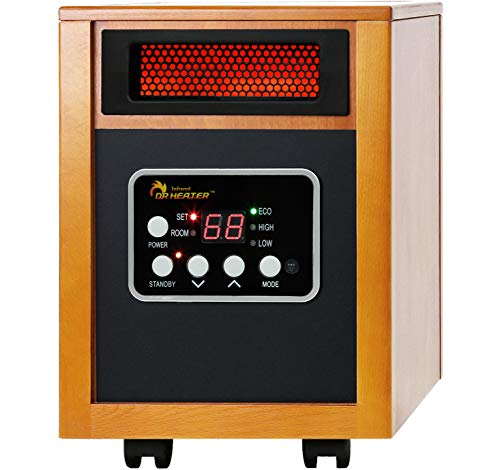
Radiant heaters provide instant warmth, making them perfect for people looking to heat a small area quickly. These heaters often use infrared technology to heat objects directly rather than the air, which means they can be very efficient for personal use.
Ceramic Heaters
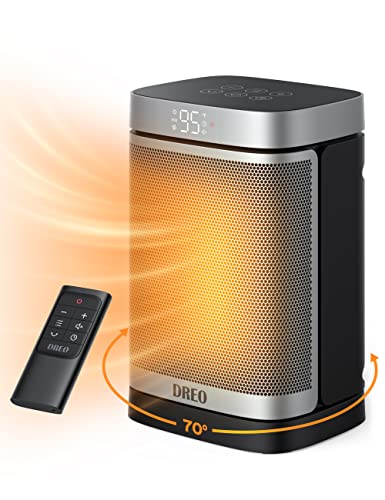
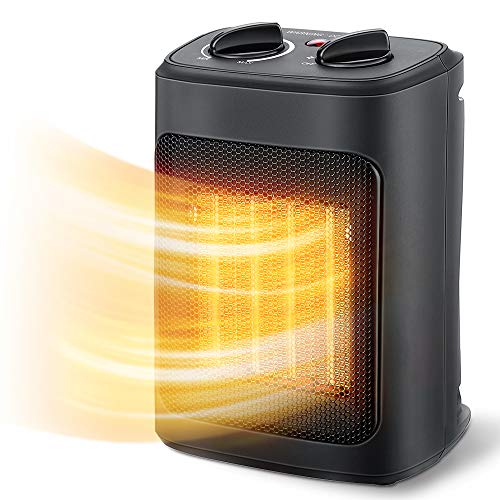
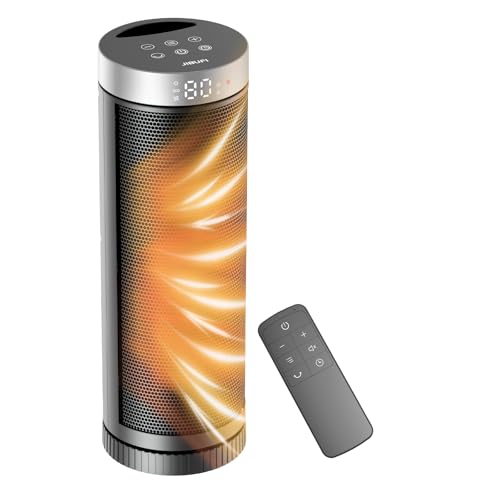
Ceramic heaters use ceramic plates to generate heat, making them small yet powerful. They are typically portable and come with built-in fans to circulate warm air. These are great for quick heating in smaller spaces, like a bedroom or home office.
Oil-Filled Radiators
Oil-filled radiators retain heat better than other types. Though they take longer to heat up, they continue to radiate warmth long after they’ve been turned off, which can be beneficial for overnight heating.
Energy Efficiency Tips – How to Maximize Comfort While Saving on Bills
Choose the Right Size Heater
Selecting a heater with the appropriate wattage for your room size is crucial. An underpowered heater will struggle to keep the room warm, while an oversized one will waste energy. Calculate the needed wattage by considering the size of the space and its insulation.
Set a Timer or Use a Thermostat
Utilizing a timer or built-in thermostat can drastically reduce energy consumption. By scheduling when you need heat or maintaining a set temperature, you avoid unnecessary usage and keep your bills in check.
Optimize Placement
Position your heater strategically to maximize efficiency. Place it in a central location away from drafts and barriers to ensure even heat distribution throughout the space.
Maintain Your Heater
Regular maintenance enhances efficiency and lifespan. Clean dust and debris from vents, and occasionally check the heating elements or filters to ensure your heater operates smoothly.
Key Features to Consider – What Makes One Space Heater Stand Out from Another
Portability
If you plan to move your heater from room to room, look for lightweight models with convenient handles or wheels. Portability makes a heater versatile and user-friendly, allowing you to heat only where you need it.
Noise Level
Some heaters can be noisy, which might not be ideal for bedrooms or quiet spaces. Look for models labeled as quiet or specifically designed to minimize sound during operation.
Safety Features
Today’s models often come with safety features such as automatic shut-off, tip-over protection, and overheat protection. These features are important for preventing accidents and providing peace of mind.
Energy Settings
Variable heat settings can allow you to control the intensity of heating based on your comfort needs. Features like eco mode or fan settings can help enhance efficiency and reduce costs.
Safety Considerations – Ensuring a Worry-Free Heating Experience
Placement Guidelines
Always place your space heater on a flat, stable surface away from flammable materials like curtains, furniture, and bedding. Maintaining a clearance zone helps minimize fire risks.
Supervision and Usage
Never leave your heater unattended, especially in the presence of children or pets. When leaving a room or going to sleep, consider turning the heater off to reduce safety hazards.
Read the Manual
Understanding your specific heater’s features before use is crucial. The user manual will provide valuable information on proper operation and important safety instructions that should not be overlooked.
Consider Carbon Monoxide Risks
For gas or propane heaters, ensure proper ventilation to avoid carbon monoxide buildup. Installing a carbon monoxide detector in your home is a wise precaution.