




Understanding Sonic Toothbrush Technology: How It Works for Effective Cleaning
The Science Behind Sonic Toothbrushes
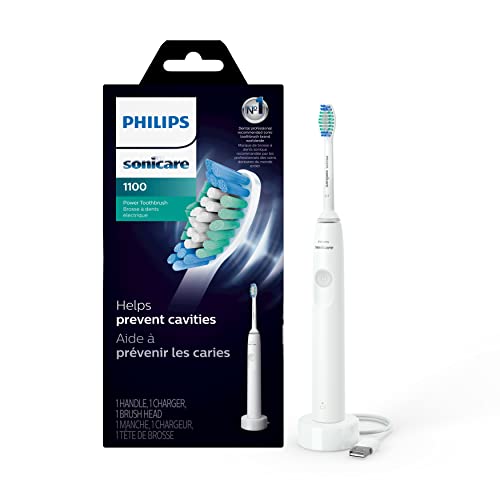
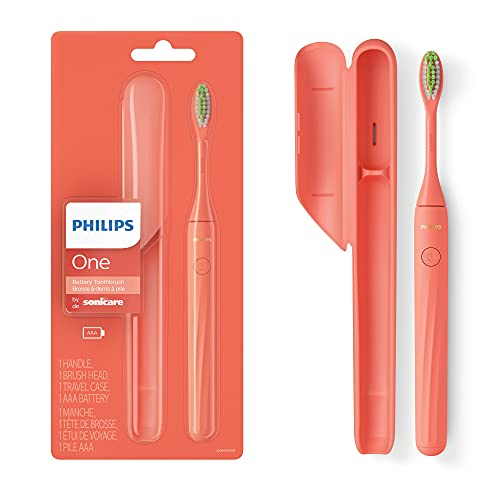
Sonic toothbrushes utilize high-frequency vibrations to create rapid back-and-forth movements of the brush head. This technology enables the bristles to move at a speed of up to 30,000 strokes per minute. By doing so, sonic toothbrushes generate thousands of micro-bubbles that penetrate deep between teeth and along the gum line, achieving a superior clean that traditional manual brushing often cannot match. The sheer intensity of these vibrations helps disrupt plaque and food particles, making it more effective in reducing buildup on your teeth.
How Sonic Technology Enhances Cleaning Ability
In practical terms, using a sonic toothbrush means moving the brush gently along your teeth without needing to scrub vigorously. The vibrations do the hard work for you. This action not only cleans the visible surfaces but also reaches areas that are typically hard to access, such as between teeth and along the gums. Imagine each brushing session feeling like a professional dental clean, as the sonic action helps invigorate your gum health while ensuring every nook and cranny in your mouth is well taken care of.
Benefits of Using a Sonic Toothbrush: Why Make the Switch?
Superior Plaque Removal and Gum Health
Switching to a sonic toothbrush can lead to noticeable improvements in your oral hygiene. The rapid movement of the bristles allows for enhanced plaque removal compared to manual brushing, which is especially beneficial for those struggling with gum disease. As you brush, the sonic action helps dislodge food particles and bacteria, reducing the risk of cavities. Over time, you may find that your visits to the dentist are less frequent, and your gum health improves significantly.
Effective for Various Dental Issues
If you wear braces or have dental implants, a sonic toothbrush can be a game changer. The gentle yet effective cleaning action is designed to navigate around wires and brackets, ensuring that hard-to-reach areas are not neglected. Similarly, if you have sensitive teeth, many sonic toothbrushes come with modes that reduce intensity, allowing you to clean effectively without discomfort. This versatility makes them suitable for a wide range of individuals.
Choosing the Right Sonic Toothbrush: Features to Look For
Brush Head Design and Size
When searching for the perfect sonic toothbrush, consider the design and size of the brush head. A smaller brush head allows for maneuverability, making it easier to reach back molars and other tight spots. Look for options with replaceable heads to ensure long-term use without sacrificing effectiveness. Ergonomic designs can also provide better grip and comfort during brushing.
Cleaning Modes and Settings
Many sonic toothbrushes come equipped with multiple cleaning modes tailored to different brushing needs. For example, a sensitive mode reduces vibration intensity, while a whitening mode focuses on stain removal. It’s worthwhile to select a toothbrush with customizable settings that can adapt to your specific oral care goals. This not only enhances your experience but also enables you to have a more personalized cleaning routine.
Maximizing Your Sonic Toothbrush Experience: Tips for Daily Use
Proper Technique for Optimal Results
To truly benefit from your sonic toothbrush, it’s essential to learn the right technique. Start by gently placing the bristles at a 45-degree angle to your gum line, letting the brush do the work without pressing too hard. Move the toothbrush slowly along your teeth, allowing the sonic vibrations to disrupt plaque effectively. A common recommendation is to spend at least two minutes brushing, using a quadrant method to ensure every area of your mouth gets the attention it deserves.
Incorporating a rinsing routine
Integrating a rinsing routine post-brushing can enhance your oral care regimen. After you’ve finished brushing, swish some water in your mouth to help clear out any remaining debris. For added freshness, consider using a mouthwash. This not only provides a clean feeling but also works to further kill bacteria that brushing may leave behind.
Maintenance and Care for Your Sonic Toothbrush: Keeping It in Top Shape
Regular Replacement of Brush Heads
To keep your sonic toothbrush performing at its best, we recommend replacing the brush head every three months or sooner if bristles show signs of fraying. Regular replacement ensures optimal cleaning ability and maintains oral hygiene. Many brands also offer subscription options so that you never have to worry about remembering to buy new brush heads.
Cleaning and Storing Your Device
Taking care of the toothbrush itself is just as important. After each use, rinse the brush head thoroughly under running water to remove toothpaste and debris. Store your sonic toothbrush in an upright position to allow excess water to drain away and prevent damage. Avoid keeping it in a closed container where moisture may accumulate, as this can harbor bacteria and affect its performance.