
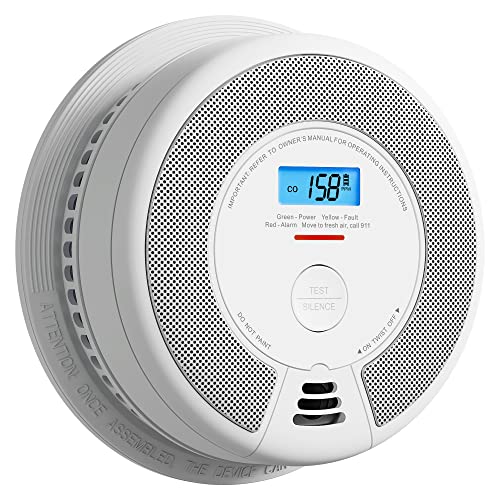


Understanding Smoke Detectors: How They Work and Why You Need One
The Role of Smoke Detectors
Smoke detectors are essential safety devices in any home. They detect smoke particles in the air, alerting you and your family to potential fire hazards. Understanding how they work helps us appreciate their importance. Most smoke detectors use either ionization or photoelectric technology. Ionization detectors are sensitive to fast-burning fires, while photoelectric detectors are better at sensing smoldering fires. By having both types in your home, you increase your safety against different fire threats.
Why Every Home Needs a Smoke Detector
Having a smoke detector in every bedroom, outside each sleeping area, and on every level of your home, including the basement, is not just recommended—it’s crucial. Fires can start anywhere, often in the kitchen or living areas, and spread rapidly. A smoke detector is our first line of defense, providing those precious minutes needed to escape or take action. Remember, a smoke detector can’t prevent a fire, but it can save lives.
Types of Smoke Detectors: What Suits Your Home Best?
Ionization vs. Photoelectric Detectors
While we’ve touched on ionization and photoelectric detectors, knowing when to use each can help us choose wisely. Ionization detectors quickly respond to flaming fires, making them ideal for areas like living rooms or kitchens where fast ignition might occur. On the other hand, photoelectric detectors are great for catching smoldering fires, which is why we might place them near bedrooms.
Combination Detectors
Some modern smoke detectors combine both technologies, offering the best of both worlds. This means if a fire starts in your home, you’re more likely to get an early warning, regardless of the fire type. For those of us with varied areas in our homes, a combination detector is a smart choice to ensure comprehensive coverage.
Choosing the Right Features: What to Look for When Buying
Power Source Options
When selecting a smoke detector, consider how it will be powered. Battery-operated models are easier to install but require periodic battery changes to ensure functionality. On the other hand, hardwired detectors connect directly to the home’s electrical system and usually have a battery backup. Think about which option suits your lifestyle best—if you want minimal upkeep, a hardwired model can be a good fit.
Smart Features for Modern Homes
In our tech-savvy world, smart smoke detectors equipped with Wi-Fi connectivity can send alerts directly to our smartphones if they detect smoke. This feature is especially useful if we’re not home when danger strikes, allowing us to notify emergency services immediately. Additionally, many smart detectors also provide voice alerts, clearly indicating the nature of the danger, which can be helpful during a panic.
Installation Tips: Making Sure Your Detector is Positioned for Safety
Optimal Placement in the Home
Proper installation of smoke detectors is key to their effectiveness. We should install them on ceilings or high on walls since smoke rises. Keep them at least a foot away from corners and light fixtures, as this ensures they can detect smoke without obstruction. For those of us with ceilings that slant, place the detector at the highest point for the best performance.
Avoiding Common Installation Mistakes
It’s important to avoid installing smoke detectors in areas with high humidity, like bathrooms, or close to kitchen cooking appliances that may trigger false alarms. Instead, mount them in common shared spaces as well as in sleeping areas. These precautions can help prevent undue stress and ensure that we receive alerts only when necessary.
Maintenance and Testing: Keeping Your Detector Ready for Action
Regular Testing and Battery Changes
To keep our smoke detectors in top shape, we should test them at least once a month. This simple act can confirm that everything is functioning correctly. If the unit uses batteries, it’s wise to change them twice a year, ideally when we change our clocks for daylight saving time. This creates a routine that is easy to remember and keeps our homes safer.
Cleaning Your Smoke Detector
Dust and debris can accumulate on smoke detectors, potentially impairing their functionality. We should also clean the detectors once every few months using a vacuum attachment to remove any buildup. This minimal maintenance ensures that our smoke detectors remain sensitive to smoke particles, ready to safeguard our home.