







Understanding Different Types of Sewing Machines: Which One is Right for You?
Choosing the Right Sewing Machine Type for Your Projects
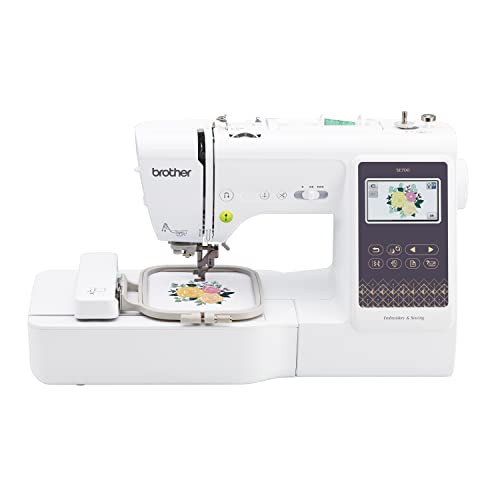
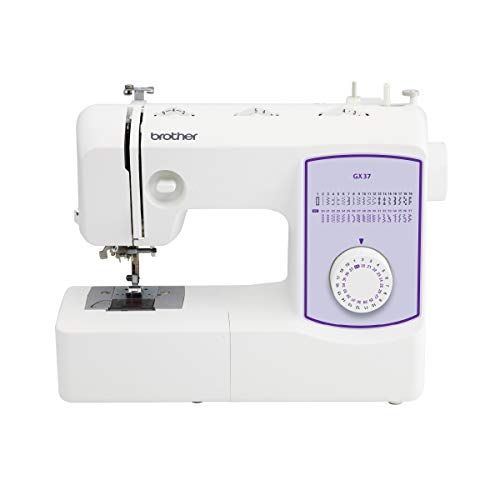
When we think about sewing machines, it’s crucial to understand that there isn’t just one type. We can categorize them mainly into three groups: mechanical, electronic, and computerized. Mechanical machines are straightforward and perfect for beginners who plan to work on basic projects. They have manual controls for stitch settings, making them user-friendly without overwhelming features. Electronic machines, on the other hand, offer more options for stitches and often feature automatic settings that help us achieve more polished results while still being relatively easy to use. If you’re looking for advanced functions, computerized machines come with built-in stitches, designs, and customizable settings, which can elevate our sewing projects significantly but may require a bit of learning.
Consider Your Sewing Goals
To select the right machine, we should also consider our sewing goals. If we plan to tackle simple repairs or minor alterations, a mechanical machine is often sufficient. For those of us wanting to explore garment making or quilting, an electronic model might serve us better. If you’re envisioning elaborate designs, complex quilting techniques, or extensive projects, investing in a computerized sewing machine can provide us with the versatility we need.
Key Features to Look for in a Sewing Machine: Making Your Sewing Journey Easier
Stitch Options and Versatility
One of the most important aspects we should consider is the stitch options available on the machine. For general sewing, a straight stitch and a zigzag stitch are essential, but if we want to expand our creativity, having a variety of decorative and quilting stitches can be beneficial. Make note of how many built-in stitches the machine includes, as well as if it allows for additional stitch patterns through an accessory or download.
Ease of Use and Setup
We also want to pay attention to how easy the machine is to set up and operate. Look for features like automatic needle threading, drop-in bobbin systems, and user-friendly interfaces with clear display screens. Having these conveniences can make a significant difference, especially when we’re just starting out and want to minimize frustration.
Durability and Build Quality
Another aspect that could impact our happiness with a sewing machine is its durability. A well-built machine will withstand frequent use and last through many creative projects. Check the materials and overall construction; metal frames tend to offer better longevity compared to plastic ones.
Budgeting for Your Sewing Machine: Finding the Best Value for Your Needs
Defining Your Budget Range
When we’re ready to shop, defining our budget range is essential. Sewing machines can vary widely in price, from affordable entry-level units to high-end models with all the bells and whistles. By setting a budget, we can narrow down our options and focus on machines that will provide us with the best value.
Balancing Features and Cost
While it’s tempting to go for the cheapest option, we should consider the long-term benefits of investing a little more in a quality machine that suits our needs. Often, models on the higher end of the price spectrum come with features that enhance our sewing experience, such as better stitch quality, reliability, and additional accessories.
Essential Accessories for Your Sewing Machine: Enhancing Your Sewing Experience
Investing in Basic Sewing Tools
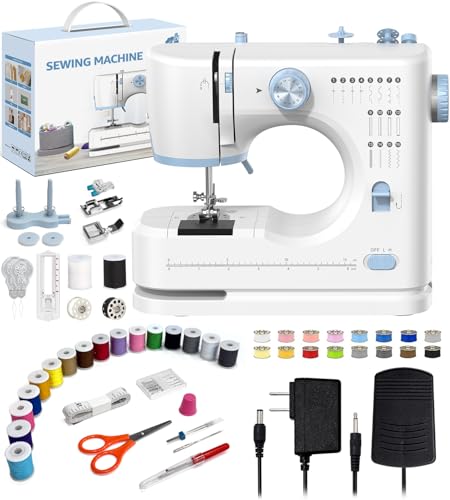
Beyond the sewing machine itself, there are several essential accessories that can significantly enhance our sewing experience. A good kit should include scissors, pins, measuring tape, and a seam ripper. These basic tools will help us achieve greater accuracy and ease during our projects.
Understanding Additional Foot Attachments
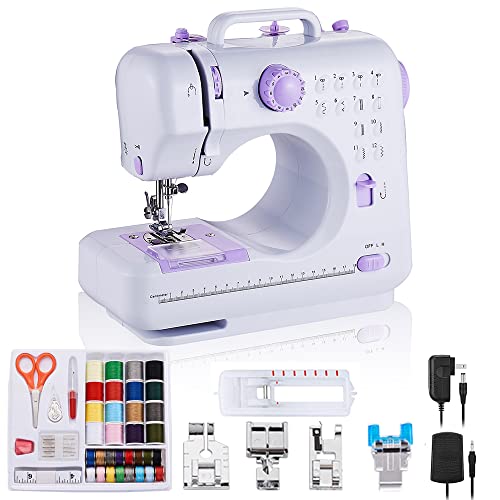
Additionally, different presser feet attachments can broaden the functionality of our sewing machine. For example, a walking foot is beneficial for quilting, while a zipper foot makes installing zippers much simpler. Investing in a few extra presser feet based on our sewing projects can enhance our capabilities and creativity.
Getting Started with Your New Sewing Machine: Tips for Beginners
Familiarizing Yourself with Your Machine
Once we have chosen our sewing machine, it’s crucial to spend some time familiarizing ourselves with its functions and features. Taking the time to read the manual and explore each part of the machine will help us understand how it operates and what settings we can adjust.
Starting with Simple Projects
As beginners, we recommend starting with simple projects, such as pillowcases or tote bags, to build our confidence and skills. These projects are relatively quick and forgiving, allowing us to practice threading, cutting, and sewing without feeling overwhelmed.
Utilizing Online Resources
We shouldn’t forget about the wealth of online resources available to us. Plenty of tutorials, forums, and videos can guide us through every step of the sewing process, from basic techniques to more advanced sewing methods. Engaging with a community of fellow sewists can also provide valuable support and inspiration.