




What is a Self-Cleaning Litter Box and How Does It Work?
Understanding Self-Cleaning Technology
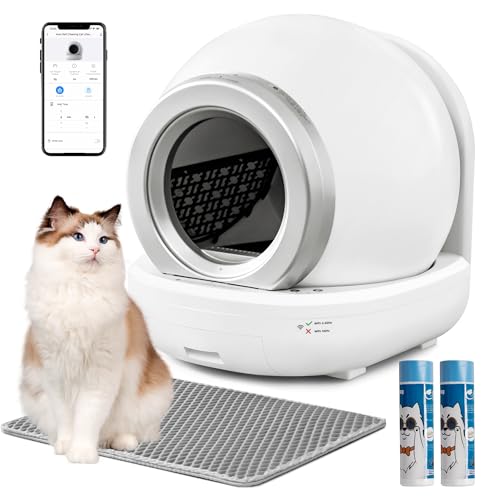
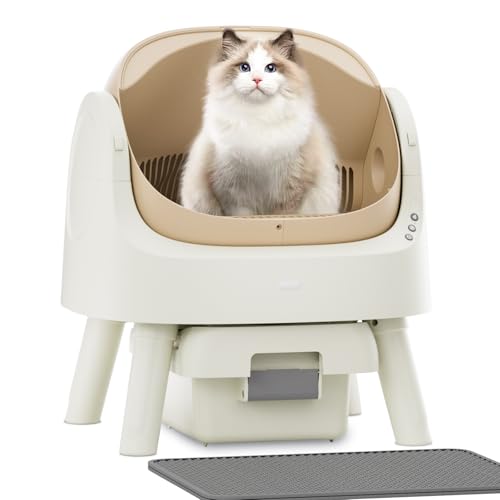
A self-cleaning litter box is designed to simplify the pet care routine for cat owners. Instead of manually scooping your cat’s litter box daily, this innovative device automates the process. Typically, these boxes utilize sensors and advanced technology to detect when your cat has used them. After a designated time, the box activates its cleaning mechanism, which usually consists of a rake or similar tool that sifts through the litter to remove waste, depositing it into a separate compartment. This means that with a self-cleaning litter box, you can enjoy a clean litter area without the daily hassle.
The Benefits of Using a Self-Cleaning Litter Box for You and Your Cat
Convenience and Time-Saving
One of the most significant advantages of a self-cleaning litter box is the sheer convenience it offers. Imagine coming home after a long day and not having to deal with the unpleasant task of scooping litter. This saves us valuable time and makes cat ownership much more manageable. Furthermore, by providing a consistently clean environment for our cats, we can positively influence their health and happiness.
Odor Control and Hygiene
Self-cleaning litter boxes are designed with odor control in mind. These devices often incorporate sealed waste compartments to reduce unpleasant smells that can build up in traditional litter boxes. Additionally, by automatically disposing of waste, it helps maintain better hygiene for both our cats and our living spaces, ensuring a cleaner and more pleasant environment.
Key Features to Look For When Choosing a Self-Cleaning Litter Box
Size and Capacity
When selecting a self-cleaning litter box, one of the first considerations is the size. Make sure to choose a model spacious enough for your cat to move around comfortably. Look for boxes that accommodate various cat sizes, providing additional room for larger breeds or multiple cats.
Cleaning Mechanism
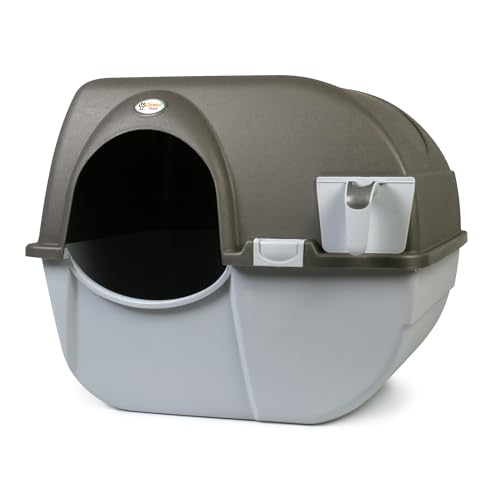
Different self-cleaning litter boxes use various cleaning mechanisms, such as rakes, rotating sweeps, or even sifting systems. Understanding how each type functions will help us choose a model that suits our preferences and our cat’s habits.
Ease of Maintenance and Cleaning
Look for litter boxes that are easy to disassemble and clean. A removable waste compartment is ideal, as it allows for quick disposal of collected waste without getting our hands dirty. Some boxes also come with additional features like washable components or automatic deodorizing functions.
How to Set Up and Maintain Your Self-Cleaning Litter Box
Initial Setup
Setting up a self-cleaning litter box is usually straightforward. When you receive your box, we should start by placing it in a quiet and accessible location for our cat. Fill it with the recommended type and amount of litter as per the manufacturer’s instructions. It’s essential to allow our cat some time to get used to the new box, so providing positive reinforcement can help them adjust.
Regular Maintenance Tips
While a self-cleaning litter box significantly reduces the frequency of cleaning, some maintenance is still required. Regularly check the waste compartment to ensure it doesn’t fill up, and clean the litter box itself based on the manufacturer’s recommendations to keep it in optimal condition. Changing the litter periodically and wiping down surfaces will also help manage odor and maintain hygiene.
Comparing Top Self-Cleaning Litter Boxes on the Market
Features and Pricing
When we look at various models of self-cleaning litter boxes, features such as size, cleaning mechanism, and price points differ widely. Some of the top choices boast smart features, such as app connectivity for monitoring our cat’s habits and additional customization options. It’s crucial to evaluate these features in conjunction with our budget to find a box that fits our lifestyle.
User Reviews and Feedback
Checking user reviews can offer great insights into the best self-cleaning litter boxes on the market. Many pet owners share their experiences with ease of use, effectiveness, and any tips they may have for maintaining their boxes. This first-hand feedback can aid us in making an informed decision that benefits both us and our furry friends.