

Understanding Range Hoods: Why Every Kitchen Needs One
The Importance of Ventilation in Your Kitchen
When we cook, various odors and smoke are produced. Without proper ventilation, these unpleasant elements can linger and affect the overall atmosphere of our kitchen. Range hoods are essential because they effectively remove smoke, steam, grease, and particulates from the air, ensuring our cooking experience remains pleasant.
Enhancing Air Quality and Comfort
A well-functioning range hood helps maintain better air quality, reducing the risk of breathing issues caused by lingering fumes and cooking odors. Imagine enjoying your favorite recipes without the fear of smoke setting off the fire alarm or the smell of last night’s dinner clinging to your clothes. With a good range hood, this can be your reality.
Types of Range Hoods: Finding the Perfect Fit for Your Style
Diverse Designs for Every Kitchen
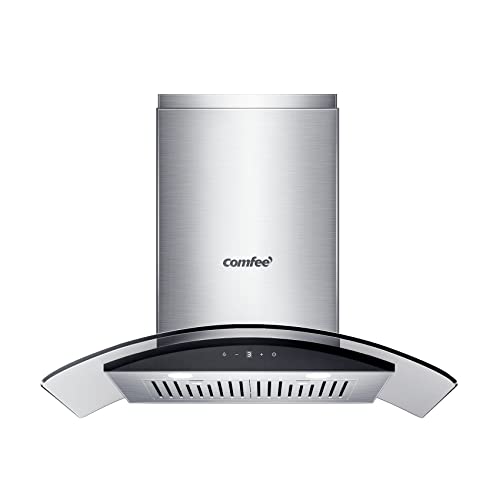
Range hoods come in various designs, each tailored to specific styles and spaces. For example, wall-mounted hoods are ideal for kitchens with open layouts, offering a striking design element that can enhance the overall aesthetic. Under-cabinet hoods, on the other hand, are great for smaller kitchens, effectively utilizing space without sacrificing style.
Choosing Between Ventilation Types
There are primarily two types of ventilation systems: ducted and ductless. Ducted hoods vent air outside, making them exit strategies for odors and cooking residues. If your kitchen allows for it, this is often the preferred choice for efficiency. Conversely, ductless hoods filter the air and recirculate it back into the kitchen, which may be suitable for apartments or spaces where installing ductwork is impractical.
Key Features to Consider When Choosing a Range Hood
Powerful Performance
When selecting a range hood, one of the most critical aspects is its power, measured in cubic feet per minute (CFM). A higher CFM rating means better ventilation. As a guideline, we recommend a range hood with at least 300 CFM for general cooking, while those who often fry or grill might want to opt for 600 CFM or more.
Noise Levels Matter
We also want our kitchen to be a peaceful space. Many range hoods come with sound ratings, usually measured in sones. A quieter range hood will typically be rated between 1-3 sones, while louder models can range from 4-6 sones. Finding a balance between power and noise is essential for a comfortable cooking environment.
Ease of Use and Features
Consider the controls of the range hood. Some models offer easy-to-use push buttons, while others come with touch or remote controls for added convenience. Additional features like LED lighting and adjustable fan speeds can enhance your cooking experience, helping us maintain visibility and control over ventilation.
Installation Basics: How to Integrate Your Range Hood Seamlessly
Assessing Your Space
Before installation, we need to assess both the dimensions of our kitchen and the positions of our cooking appliances. It’s crucial to install our range hood at the right height, usually 24-30 inches above the cooking surface, to maximize its effectiveness while ensuring it fits seamlessly into our kitchen layout.
Understanding Ductwork Needs
For ducted range hoods, proper ductwork is essential. This means planning for the easiest route to vent to the outdoors while minimizing bends in the duct as they can restrict airflow. If we opt for a ductless model, we should ensure we have enough filter space and easy access for changing them.
Maintenance Tips: Keeping Your Range Hood in Top Shape
Regular Cleaning is Key
To ensure our range hood operates efficiently, regular cleaning is vital. We should clean the hood’s surface, as well as the filters, every month. Many filters are dishwasher-safe, simplifying our cleaning process and helping us maintain optimal performance.
Replacing Filters and Light Bulbs
Keeping track of filter replacements is another critical aspect of maintenance. Some filters need changing every 6 months to a year based on usage. Additionally, checking and replacing worn-out light bulbs ensures our cooking area is well lit, enhancing both function and safety.