






Understanding Projectors: A Simple Explanation of How They Work and What They Can Do
How Do Projectors Work?
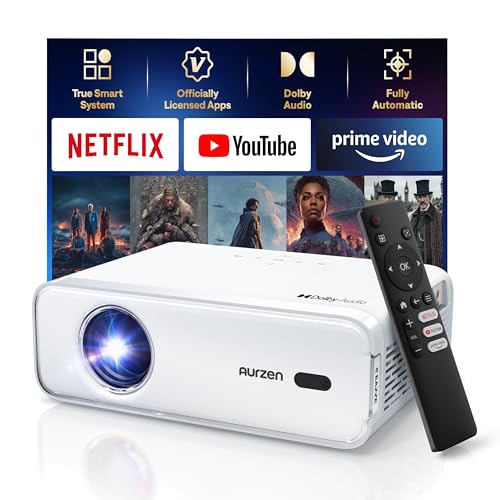
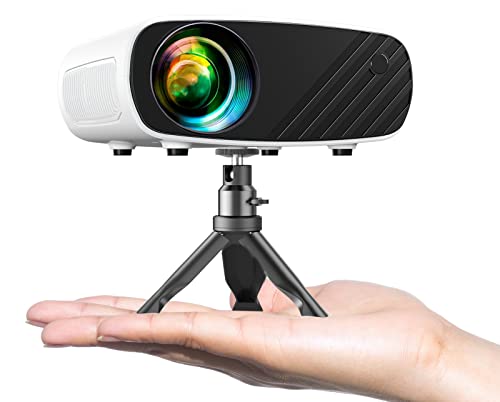
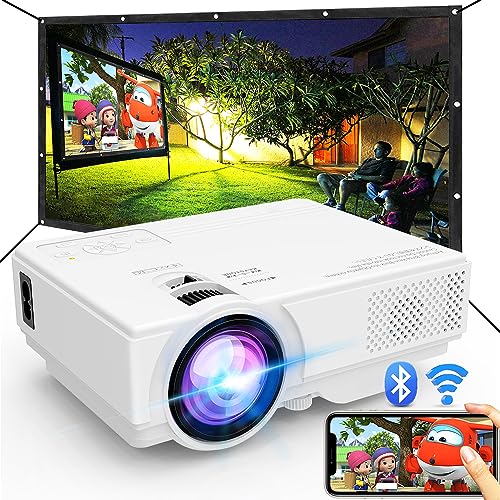
Projectors are devices that can display images or videos on a large screen, using a light source and a lens to project the image. Imagine watching a movie not on your small TV but on a wall-sized screen that gives you an immersive experience similar to the cinema. The light source shines through a series of filters and lenses that help to create and project the image, transforming your living room into a movie theater.
What Can Projectors Do?
Projectors are incredibly versatile tools. They can be used for home entertainment, presentations, or even outdoor movie nights. Picture hosting a gathering in your backyard where friends can enjoy a film projected onto a white sheet. Projectors can also be great for gaming, allowing you to experience those thrilling moments on a much bigger canvas, enhancing your gameplay.
Types of Projectors: Choosing Between LED, LCD, and DLP Technologies
Understanding the Technologies
When you’re choosing a projector, you’ll encounter three main types: LED, LCD, and DLP. LED projectors use light-emitting diodes and are known for their longevity and energy efficiency. Think of them as the reliable friends of projectors—they last longer and save energy. LCD projectors use liquid crystal displays and offer vibrant colors, perfect for watching movies or playing games. If you’re looking for a bright and colorful visual experience, LCD is your go-to. DLP projectors use a digital micromirror device and are recognized for their sharpness and contrast, making them ideal for those who appreciate fine details in their images.
Key Features to Consider: Lumens, Resolution, and Brightness Explained
Why Lumens Matter
When choosing a projector, one crucial factor to consider is lumens, which measure brightness. Higher lumens mean a brighter image, which is vital if you plan to use the projector in a well-lit room. For example, if you want to use your projector during the day with curtains open, look for at least 2000 lumens. The brighter, the better!
Resolution: The Clarity of Your Image
Resolution refers to the number of pixels the projector can display, and it directly affects image clarity. Common options include 720p, 1080p, and even 4K. If you’re planning to watch movies or play video games, a higher resolution will provide a sharper and more detailed viewing experience. 1080p is a sweet spot for most home users, giving great quality without breaking the bank.
Brightness Levels Explained
Brightness is more than just lumens—it also depends on where and how you’re using the projector. If you’re watching in a dark room, you might not need as high a lumen count. However, for bright environments, knowing your projector can handle those conditions is key. Aim for balance based on your typical viewing circumstances.
Setting Up Your Projector: Tips for Optimal Placement and Screen Selection
Finding the Right Spot
Placement is vital for achieving the best projection view. Ideally, you’ll want to position your projector in a spot that allows for a clear and unobstructed path to the projection surface. A good rule of thumb is to set the projector distance about 1 to 1.5 times the width of the screen for optimal image quality.
Choosing the Right Screen
The type of screen you select can also affect your projector’s performance. Consider a dedicated projector screen for more vibrant colors and better contrast. If you’re working with a budget, a plain white wall can work in a pinch, but it won’t offer the best experience. Also, ensure the screen is positioned correctly; a flat and stable surface helps avoid blurriness.
Budgeting Wisely: Finding the Right Projector for Your Needs and Lifestyle
Determining Your Budget
Before diving into the world of projectors, have a budget in mind. Basic models can be affordable, ranging from a few hundred dollars, while high-end projectors can reach into the thousands. Think about what you’re willing to spend and align that with your requirements. If you plan to watch movies regularly, investing in a moderately priced projector that checks the boxes for brightness and resolution will yield the best long-term satisfaction.
Assessing Your Needs
Consider how you plan to use the projector. Is it mostly for gaming, casual movie nights, or work presentations? Knowing your primary use can help narrow down options. For example, if it’s primarily for movies, prioritize brightness and resolution. On the other hand, if it’s for business presentations, portability and ease of setup should be on your checklist.