









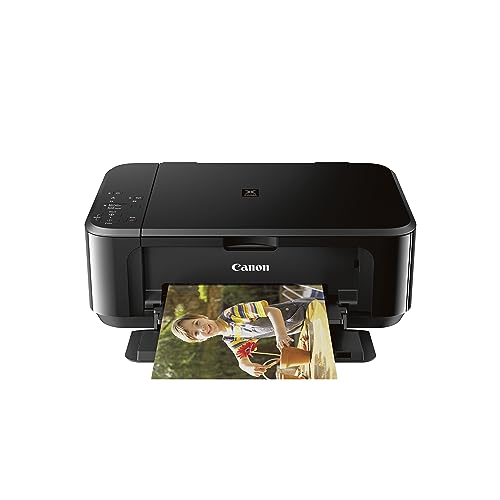
Understanding the Different Types of Printers: Which One is Right for You?
Inkjet Printers: Versatile and Affordable
Inkjet printers are perfect for casual users and families who need a versatile solution for printing everything from school projects to family photos. They use liquid ink and are known for their ability to produce vibrant colors and sharp images. If you find yourself printing a variety of documents and photos, an inkjet may be the right choice for you.
Laser Printers: Efficient and Cost-Effective for High Volumes
For those who print frequently, laser printers stand out due to their efficiency. They use toner instead of ink, making them faster and more cost-effective in the long run, especially for black-and-white documents. If you work in an office or simply have a large volume of printing needs, consider a laser printer.
All-in-One Printers: The Swiss Army Knife of Printing
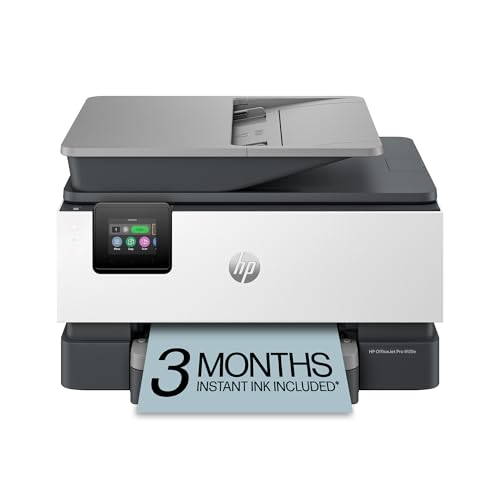
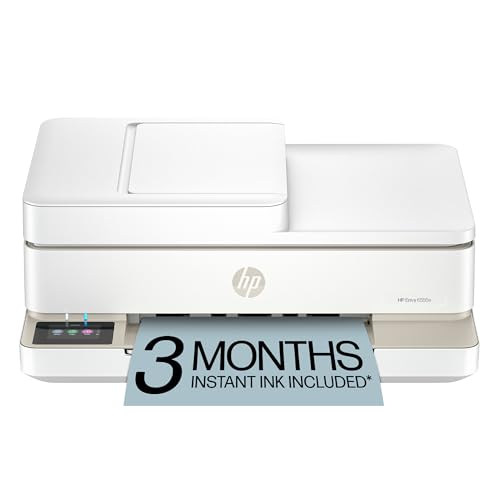
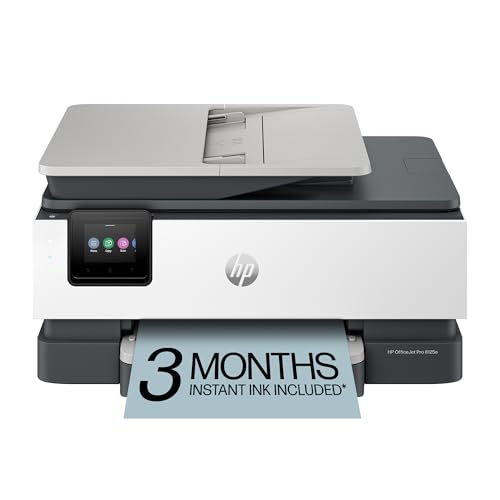
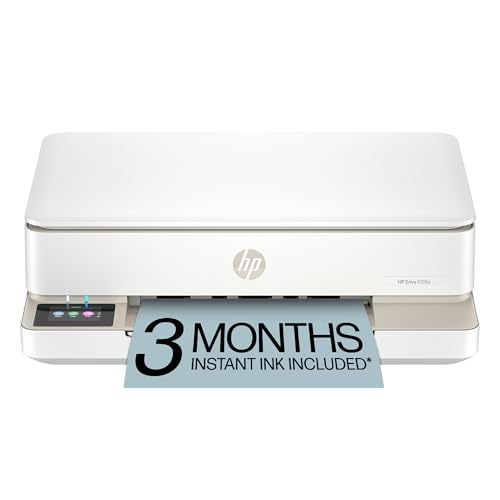
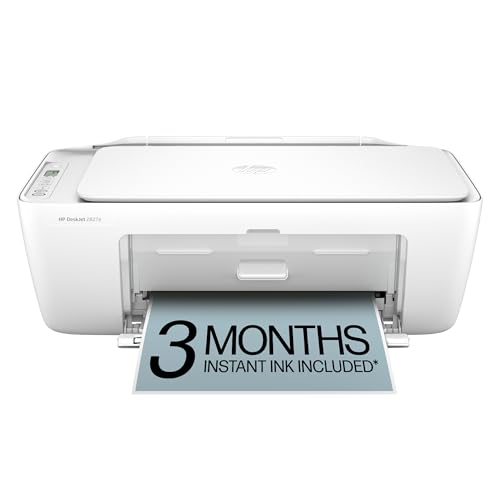
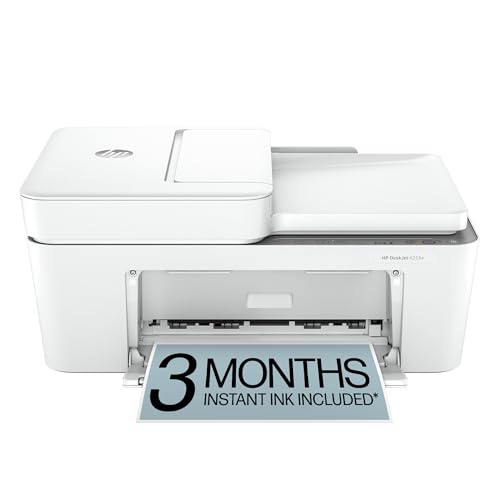
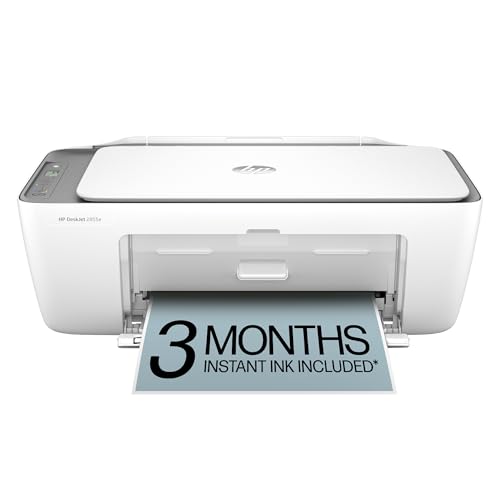
All-in-one printers combine printing, scanning, copying, and sometimes faxing into a single machine. This type is ideal for home offices or small businesses, as it provides all necessary functionalities without requiring multiple devices. If space is limited and you need multiple features, an all-in-one printer may be the best fit.
Specialty Printers: Tailored for Specific Tasks
Specialty printers, like photo printers or label printers, are designed to excel in specific areas. If your primary need is to print high-quality photographs or custom labels, these printers might be worth considering. They offer features that standard printers typically don’t, allowing for better quality in their respective tasks.
Essential Features to Look for When Buying a Printer
Print Quality: What Do You Need?
When choosing a printer, print quality is crucial. For text documents, a printer capable of 600 dots per inch (dpi) may suffice, while photo printing generally requires 1200 dpi or higher. Think about what you’ll be printing most often and choose a printer that can meet those needs.
Print Speed: How Fast Do You Need It?
Print speed is measured in pages per minute (PPM). If you’re printing large documents or have a busy office, look for printers with higher PPM ratings. On the other hand, if you print occasionally and aren’t in a rush, a slower printer may be adequate.
Connectivity Options: Stay Connected
Modern printers often offer a variety of connectivity options, including USB, Wi-Fi, and Bluetooth. Consider how you plan to use your printer. Wi-Fi capabilities let you print from multiple devices without being tethered, which can be a great convenience.
Cost of Consumables: Factor in Ink or Toner Expenses
Beyond the initial purchase price, the cost of ink or toner can add up. Always check how much replacement cartridges or toner will cost, and evaluate how much you expect to print. This can significantly impact your overall printer ownership experience.
Cost of Ownership: What to Expect Beyond the Initial Purchase Price
Reviewing Long-Term Costs
Printers can often look like a bargain at first, but it’s essential to consider long-term costs. These include the price of ink or toner, maintenance, and even electricity. Factor in these costs to gauge the true affordability of the model you’re considering.
Energy Efficiency: Eco-Friendly Choices
Some printers come with energy-saving features that can lower your electricity bill over time. Look for printers that are ENERGY STAR certified or have power-saving modes to reduce your environmental impact and save on energy costs.
Warranty and Support: Don’t Underestimate This Aspect
A robust warranty and good customer support can save you money and hassle down the line. Make sure to check the warranty length and what it covers. Solid customer support can help resolve issues quickly, which is especially important if you rely on your printer heavily.
Tips for Maintaining Your Printer: Keep It Running Smoothly
Regular Cleaning to Avoid Clogs
To keep your printer in peak condition, regular maintenance is key. Clean the print heads and nozzles according to the manufacturer’s recommendations to avoid ink clogs, especially if you haven’t printed anything in a while. This simple step can extend the life of your printer.
Proper Storage of Paper and Supplies
How you store your paper and cartridges matters. Keep paper in a cool, dry place to prevent dampness, which can cause jams and other issues. Similarly, ensure that ink and toner cartridges are stored correctly, especially if they’re not used frequently.
Update Drivers and Software Regularly
Just like any other device, keeping your printer’s software and drivers up to date contributes to better performance. Regular updates can improve compatibility and fix bugs, enhancing your overall printing experience. We recommend making it a routine task to check for updates.
Recommendations for the Best Printers in 2023: Our Top Picks
Best All-Around: Versatile Options
For general use, we recommend looking into brands that offer all-around functionality with a good balance of print speed and quality. These models are versatile enough for both home and office use, giving you great value.
Best Photo Printer: High-Quality Printing
If you’re seeking top-notch photo printing, printers designed specifically for photography should be on your radar. These devices deliver vibrant colors and fine details, making them perfect for enthusiasts and professionals alike.
Best Budget-Friendly: Affordable Choices
For those on a budget, consider printers known for their low operating costs. These models often provide decent quality without breaking the bank, making them ideal for users who need a reliable printer without extravagant features.
Best for Small Businesses: Robust Performance
If you’re operating a small business, invest in a printer that offers high volume, durable output, and reliable speed. This will ensure that you can handle the demands of the business effectively.