






Understanding Pressure Washers: What They Do and How They Work
What is a Pressure Washer?
A pressure washer is a powerful tool designed to clean surfaces by using high-pressure water jets. Think of it as a garden hose, but with extra muscle. Instead of coiling up a hose and manually scrubbing dirt away, a pressure washer blasts it off at speed, saving time and effort.
How Do They Work?
At its core, a pressure washer consists of a motor or engine that drives a pump. This pump pulls water from a source, such as a tap, and increases its pressure, forcing it out through a nozzle. The strength of the water jets can be adjusted, allowing for thorough cleaning of various surfaces, from driveways to furniture.
Choosing the Right Pressure Washer for Your Needs
Identifying Your Cleaning Tasks
Before making a purchase, think about what you need to clean. Will you be washing your car, cleaning a patio, or tackling heavy-duty tasks like removing paint from a fence? Each task requires different levels of pressure and flow rate, so be clear on your goals to match the washer to your needs.
Electric vs. Gas Models
Electric pressure washers are generally quieter, lighter, and easier to maneuver. They’re perfect for small to medium cleaning tasks around the house. Gas models, on the other hand, pack more power and are better suited for larger projects. If you need something portable for tough jobs, a gas pressure washer might be your best bet.
Essential Features to Look For in a Pressure Washer
Pressure (PSI) and Flow Rate (GPM)
The two critical specifications to examine are pressure, measured in pounds per square inch (PSI), and flow rate, measured in gallons per minute (GPM). Higher PSI means more powerful cleaning, while higher GPM allows faster cleaning due to greater water volume. For standard home use, look for at least 1500 PSI and 1.5 GPM.
Nozzle Options and Accessories
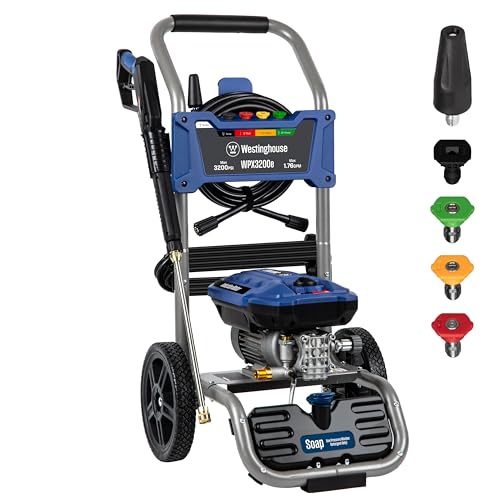
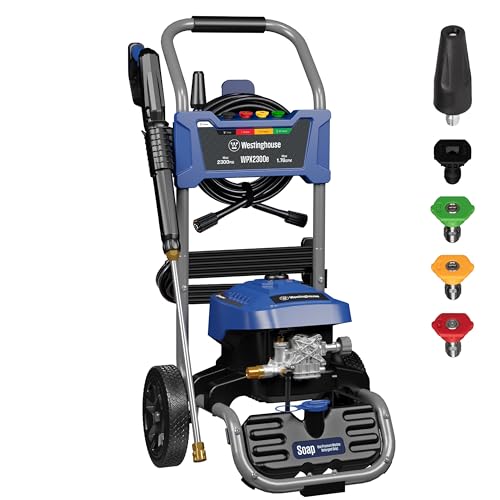
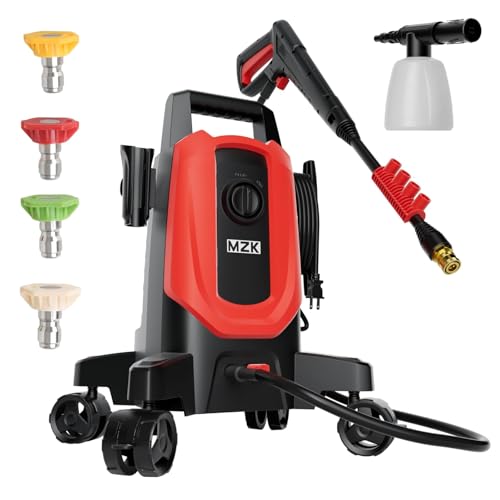
We recommend checking which nozzles come included with the washer. Different colors indicate varying spray angles, which help tackle different cleaning tasks. A soap nozzle is also a nice feature for applying detergents. Having additional accessories such as surface cleaners or extension wands can make your pressure washer even more versatile.
Top Pressure Washer Models Reviewed and Compared
Performance and Powerhouse Brands
When looking at different pressure washer models, consider well-known brands. Models like those offered by Sun Joe and Simpson are popular due to their reliability and performance. Each comes with unique features suited to specific tasks; some focus on lightweight designs, while others emphasize heavy-duty capabilities.
Cost vs. Value
While it might be tempting to go for the cheapest option, investing a little more can provide you longer-lasting durability and better power. Models that balance cost and functionality often yield better long-term value, reducing the need for frequent replacements or repairs.
Maintenance Tips for Longevity and Performance
Regular Cleaning and Care
Taking care of your pressure washer can extend its life significantly. After each use, flush out any detergents from the nozzle and hose. We recommend storing it in a dry place to avoid corrosion, and regularly checking hoses and connections for wear.
Seasonal Maintenance Steps
Before winter, consider draining the water from the pump to prevent freezing and cracking. Additionally, check and replace oil as needed for gas models to keep the engine running smoothly. Simple, routine checks can make a big difference in performance over time.