






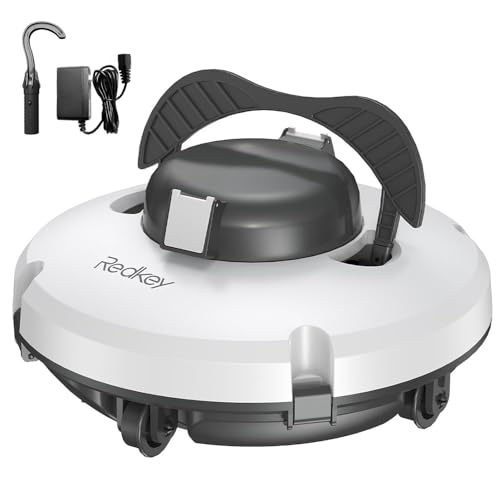
Understanding the Benefits of a Pool Cleaning Robot: Keeping Your Pool Sparkling Clean with Minimal Effort
Why Consider a Pool Cleaning Robot?
Maintaining a clean pool can be time-consuming and labor-intensive. By using a pool cleaning robot, you free up your valuable time while ensuring your pool remains in pristine condition. These robots efficiently navigate the pool floor and walls, removing debris, dirt, and algae, often leaving no spot untouched. This convenience means you can enjoy more time swimming and less time cleaning, contributing to a better overall experience.
Efficiency and Cost-Effectiveness
Investing in a pool cleaning robot may seem like a sizable expense upfront, but the long-term benefits usually outweigh the initial cost. For instance, a clean pool helps maintain water quality, potentially reducing the amount of chemicals you need to use. Moreover, by enhancing the cleanliness and hygiene of your pool, you could extend the lifespan of both the pool surface and equipment, ultimately saving you money on repairs and replacements.
Key Features to Look for in a Pool Cleaning Robot: What Makes One Model Stand Out from Another
Navigation and Cleaning Technology
One of the first features to consider is the navigation technology that a robot uses. Models with advanced sensors can effectively map your pool layout, ensuring efficient cleaning without missing any areas. Look for robots equipped with either a smart navigation system or a random pattern algorithm, as these will maximize coverage and cleaning efficiency.
Cleaning Power and Types of Debris
Not all models are created equal when it comes to removing different types of debris. If your pool tends to gather larger leaves or heavy dirt, opt for a robot with strong suction power and robust brushes. Some robots also come with specialized features to handle not just debris but also algae, making them an invaluable tool for keeping your pool looking its best.
Cord vs. Cordless Options
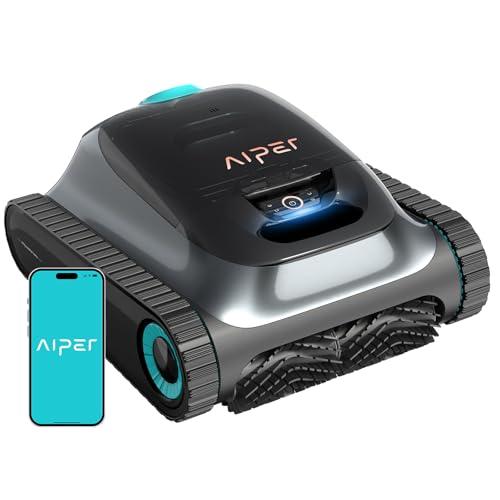
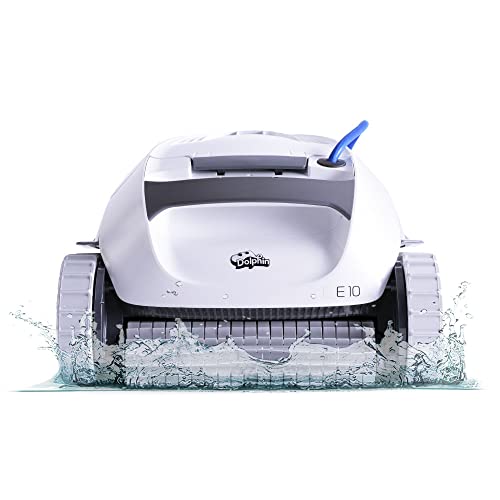
When considering design, think about whether you want a corded or cordless cleaning robot. Corded robots can provide continuous power and typically offer more suction, while cordless options provide greater freedom of movement and ease of use. If you have a larger pool or specific areas that require cleaning, you may decide to go with a corded model for its efficiency.
Choosing the Right Type of Pool Cleaning Robot for Your Pool: Finding the Perfect Fit for Your Needs
In-Ground vs. Above-Ground Pools
The type of pool you have will significantly influence your choice of cleaning robot. For in-ground pools, look for models designed to tackle varied depths and slopes. In contrast, above-ground pool cleaners should be lightweight and capable of working efficiently in a more straightforward layout. Understanding the differences can help you ensure that the robot you select will perform optimally in your specific pool environment.
Size and Shape Considerations
The size and shape of your pool also play a role in selecting the right robot. Some models are better suited for larger, rectangular pools, while others are versatile, adapting to irregular shapes. Make sure the robot you choose is compatible with your pool’s dimensions, as this will affect how thoroughly it cleans and how quickly it can do so.
Essential Maintenance Tips for Your Pool Cleaning Robot: Ensuring Longevity and Optimal Performance
Regular Cleaning and Inspection
To keep your robot running smoothly, it’s important to perform regular maintenance. This includes cleaning the filter and brushes after each use to prevent clogs and inefficiencies. A quick inspection of the wheels and navigation system will also help maintain peak performance and prolong the lifespan of the unit.
Storage Considerations
Proper storage is key to ensuring the longevity of your pool cleaning robot. After each cleaning cycle, store the robot in a dry, cool area. Avoid direct sunlight or excessive heat, as these factors can degrade the materials over time. Keeping it clean and protected when not in use will help maintain its functionality and appearance.