

Understanding What a Plotter Is and How It Works
What is a Plotter?
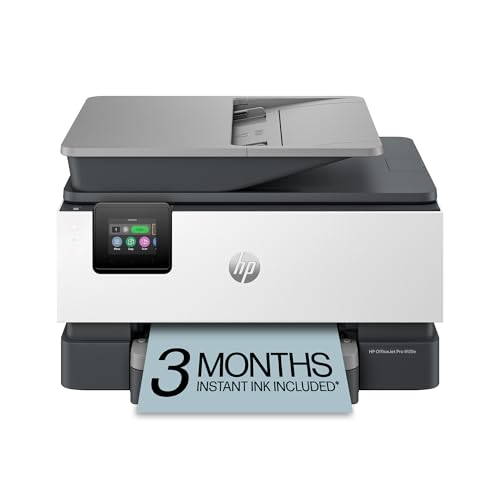
A plotter is a type of printer that creates high-quality graphics and designs by using a pen or similar writing tool. Unlike standard printers that typically produce text and simple images, plotters excel in rendering complex drawings, such as architectural plans, engineering schematics, and intricate illustrations. Imagine an artist drawing with a pen, meticulously following every curve and line of the design — that’s essentially how a plotter operates, allowing it to produce detailed outputs on large sheets of paper.
How Does a Plotter Work?
Essentially, plotters work by moving the writing instrument across the surface of the paper, often using two-dimensional space to accurately create images. The main components of a plotter include the pen holder, paper feed mechanism, and a motorized system that controls movement. These machines can be either inkjet or laser-based, with inkjet plotters being popular for their ability to produce vivid colors while laser plotters are known for precision and speed, making them suitable for technical drawings and blueprints.
Key Features to Look for in a Plotter
Print Size and Format
When selecting a plotter, we should first consider the print size and format. Plotters come in various sizes, catering to different requirements. If you’re primarily working with standard paper sizes, a smaller plotter may suffice. However, if you need to produce large drafts or artwork, looking for a plotter that can handle wider formats will be crucial.
Print Quality and Speed
Next on the list is print quality, measured in DPI (dots per inch). A higher DPI indicates better detail in prints. If your work demands high-resolution images or precise drawings, opting for a plotter with a DPI of at least 1200 is recommended. Alongside quality, we can’t ignore print speed, especially in a fast-paced environment. Check the manufacturer’s specifications for prints per hour to find a model that matches your workflow.
Connectivity Options
Modern plotters come with various connectivity options to ensure smooth integration into our existing setup. Look for plotters that offer USB, Ethernet, and wireless connectivity. This flexibility allows multiple users or devices to access the plotter with ease, enhancing productivity within an office or design environment.
Usability and Software Compatibility
The user interface and compatibility with design software also significantly impact our experience. Some plotters come with user-friendly touchscreens, while others may require more technical knowledge to operate. Additionally, make sure that the plotter is compatible with the design software you use, whether it’s AutoCAD, Adobe Illustrator, or other graphical tools, to ensure seamless printing.
Choosing the Right Plotter for Your Needs
Assessing Your Requirements
Before making a purchase, let’s assess our specific needs. Are we predominantly creating architectural designs, maps, or artistic prints? Identifying our core use cases helps in narrowing down our options. For instance, if we’re architects, a high-precision plotter with CAD features would be essential, whereas artists may prioritize color quality and media types.
Determining the Volume of Work
Consider how frequently we’ll be using the plotter. For occasional use, a more budget-friendly model may be enough. However, for regular, high-volume printing, investing in a robust plotter that can withstand daily demands and has features to enhance efficiency would be wiser.
Cost Considerations: What to Expect When Buying a Plotter
Understanding Plotter Pricing
The cost of plotters can vary widely based on features, brand, and capabilities. We can expect to find entry-level models starting around a few hundred dollars, while high-end professional models can cost several thousand. It’s essential to balance our budget against the features we truly need, rather than getting enticed by models with features that won’t be beneficial for us.
Additional Costs to Consider
Besides the initial purchase price, be aware of additional costs such as maintenance, ink, or toner replacement, and specialized paper. Ink cartridges for plotters can be pricey, so considering their yield and periodicity of replacement is crucial for ongoing expenses. Additionally, if we plan to use specialty media, we should price those accordingly as well.
Maintenance Tips for Longevity and Performance of Your Plotter
Regular Cleaning and Care
To keep our plotter running smoothly, regular maintenance is key. We should clean the printhead and change the ink cartridges as necessary to prevent clogs and ensure vibrant prints. Keeping the plotter free from dust and debris can also help maintain its performance over time.
Software Updates and Calibration
Keeping our plotter’s software up to date will ensure it operates efficiently and takes advantage of improvements from the manufacturer. Additionally, regular calibration of the plotter is necessary to maintain color accuracy and print alignment. This will assure that each print maintains the standard we expect.