





Understanding the Basics of Pasta Makers: Types and Functions
Different Types of Pasta Makers
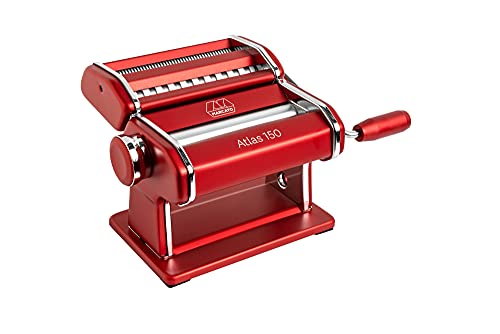
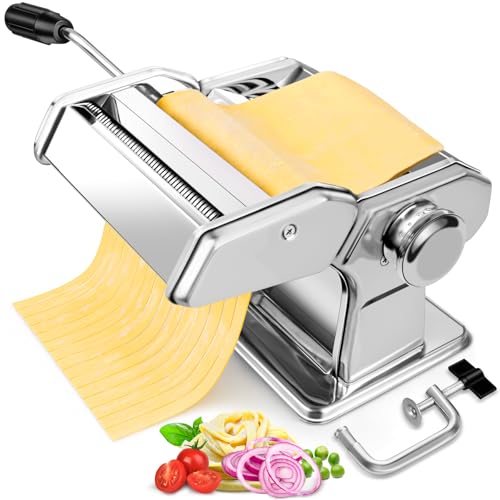
When it comes to pasta makers, we primarily encounter two main types: manual and electric. Manual pasta makers require a bit of muscle as you turn the handle to roll the dough through the rollers, while electric pasta makers handle the heavy lifting for you, making the work easier and faster. For those who enjoy the hands-on approach, manual models may feel more authentic, allowing for a deeper connection to the pasta-making process. On the other hand, electric pasta makers are ideal for busy kitchens and can produce pasta in a fraction of the time, making them a great choice for families or those who host gatherings.
Functions of Pasta Makers
Pasta makers not only roll out dough but also cut it into various shapes, like fettuccine, spaghetti, or lasagna sheets. Some machines offer interchangeable attachments to further expand your pasta options, such as ravioli or even macaroni. When we think about what we want to create in our kitchen, identifying our pasta preferences—be it fresh tagliatelle for a classic dish or stuffed ravioli for a vibrant dinner—will guide our choice. A versatile maker can handle a range of pasta types, making our culinary journey more exciting.
Choosing the Right Pasta Maker for Your Cooking Style
Assessing Your Cooking Frequency
We should first consider how often we plan to make pasta. If it’s a rare occasion, a manual pasta maker may suffice, offering a cost-effective way to enjoy fresh pasta without a long-term commitment. However, for those of us who envision a weekly pasta night or meal prepping fresh noodles to freeze, investing in a high-quality electric model can save us time and elevate our cooking experience.
Space and Storage Considerations
Another crucial factor is kitchen space. Manual pasta makers typically take up less space and can easily be stored away when not in use. In contrast, electric models may require more countertop space or storage area. We must evaluate our kitchen layout and decide what fits best, ensuring our pasta-making experience is both enjoyable and efficient.
Key Features to Look For in a Pasta Maker
Roller Width and Adjustment Options
The rollers of a pasta maker determine the thickness of the dough. A wider roller often offers more flexibility in shaping our pasta. Models with adjustable rollers allow us to customize our pasta thickness easily, ranging from very thin sheets for delicate noodles to thicker sheets for hearty lasagna.
Material Quality and Durability
When selecting a pasta maker, we want to consider the materials used in its construction. Stainless steel parts are generally more durable and easier to clean than cheaper plastic models. A robust build ensures longevity, allowing us to enjoy our investment for many pasta nights to come.
Step-by-Step Guide to Making Fresh Pasta at Home
Ingredients and Preparation
To start our fresh pasta adventure, we need just a few basic ingredients: flour, eggs, and a pinch of salt. We recommend using semolina flour or a combination of all-purpose and semolina for the best texture. After mixing these ingredients into a dough, we allow it to rest, which develops the gluten for a more elastic pasta.
Using the Pasta Maker
Once our dough is ready, we divide it into manageable portions. Feeding a small piece through the pasta maker, we gradually adjust the thickness settings for our desired result. Whether we are going for thin spaghetti or wide fettuccine, taking it slow is key—after all, good things take time! As the dough passes through, we can cut it directly into our preferred shapes for cooking.
Tips for Maintaining Your Pasta Maker for Longevity
Cleaning Your Pasta Maker
After each use, we need to clean our pasta maker to keep it in top condition. For manual pasta makers, a simple brush or cloth to wipe away flour and dough residue typically does the trick. For electric models, we should consult the manufacturer’s cleaning instructions but generally, a soft brush or damp cloth is advisable—avoiding excessive moisture is key!
Proper Storage Techniques
Storing our pasta maker properly prolongs its life. We should keep it in a dry space, preferably in its original box or a dust cover. This protects it from scratches and prevents any unwanted buildup of dust or grime, ensuring it’s always ready for our next pasta creation.