


Understanding Different Types of Pans: A Simple Comparison
Varieties of Cookware: The Essentials
When we explore the world of pans, it’s crucial to understand that not all pans are created equal. We come across different materials, each designed for specific cooking techniques. For instance, stainless steel pans are versatile; they offer excellent heat conduction and durability, making them great for frying, sautéing, and even braising. In contrast, non-stick pans are your go-to for easy cleaning and cooking delicate foods like eggs or pancakes. Cast iron pans, on the other hand, are known for their heat retention and even cooking, perfect for frying and baking.
Specialty Pans for Unique Needs
Beyond the basic materials, there are specialty pans like wok pans, which are designed for high-heat cooking and stir-frying. They have a rounded bottom that allows for easy tossing of ingredients. Skillets, which feature low sides and a wide surface area, are ideal for frying and browning. Alternatively, if we look at saucepans, these have taller sides and a smaller surface area, making them perfect for simmering sauces or boiling beverages. Understanding these differences helps us choose the right type of pan for our specific cooking goals.
Key Features to Look For When Buying a Pan
Material Matters: Choosing the Right Build
When selecting a pan, the material plays a significant role in the cooking experience. We must consider options like stainless steel, which is non-reactive, or aluminum, known for its quick heat conduction. Non-stick coatings offer convenience for low-fat cooking, but they require careful handling to avoid scratches. Enamel-coated cast iron pans combine the benefits of cast iron with a non-reactive surface, perfect for more acidic dishes.
Size and Shape: Finding the Perfect Fit
Size is another vital aspect; we want to choose a pan that matches our cooking needs. A 12-inch skillet is excellent for family meals, while an 8-inch option is perfect for single servings. The shape also influences how we use the pan—rounded edges are great for flipping, while flat-bottomed pans excel in stability for searing meats. Consider how often we cook for ourselves or others to select the proper dimensions.
Weight and Handle: Comfort in Cooking
Don’t overlook the weight of the pan; a heavier pan often distributes heat evenly but can be harder to maneuver. Choosing a pan with a comfortable handle is key, especially if we frequently cook at high temperatures. Look for handles made from heat-resistant materials that offer a sturdy grip. This attention to comfort can make a substantial difference in the overall cooking experience.
Top 5 Pans to Consider for Your Kitchen
1. 10-Inch Stainless Steel Skillet
A 10-inch stainless steel skillet is a quintessential piece that can handle everything from searing to scrambling. It’s durable, resists scratches, and is dishwasher safe, ensuring easy cleanup after intense cooking sessions.
2. Non-Stick Frying Pan
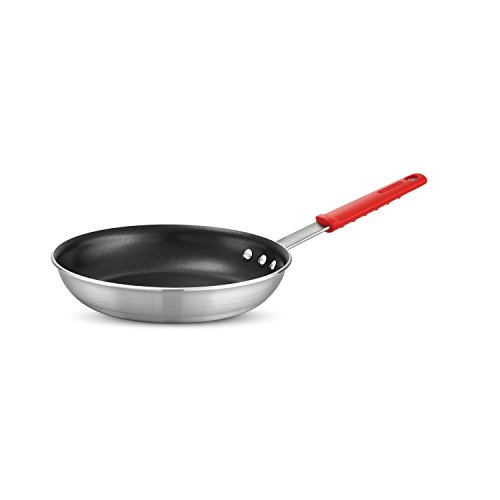
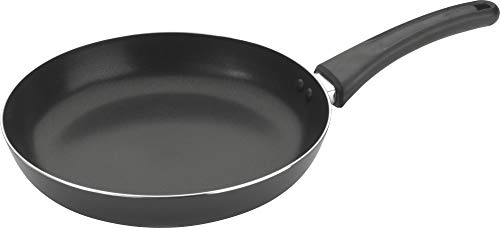
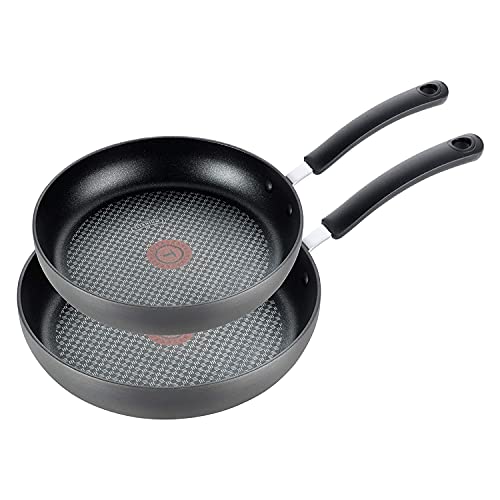
For those who love cooking delicate items, a non-stick frying pan is essential. It allows for cooking with minimal oil and ensures effortless food release, making it ideal for beginners or busy cooks who value simplicity.
3. Cast Iron Skillet
A cast iron skillet is a classic choice that every kitchen should have. It’s perfect for frying, baking, and even slow-cooking. Once seasoned properly, it develops a natural non-stick surface and can last for generations.
4. Large Deep Skillet
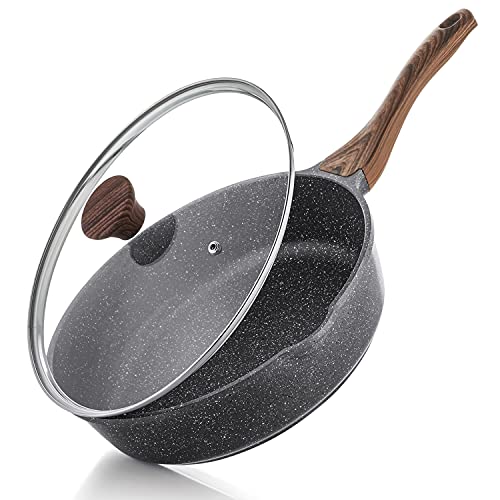
If we often cook for a crowd, a larger deep skillet is a fantastic investment. It’s versatile, allowing for larger quantities of soups, stews, or pasta dishes effortlessly.
5. Wok Pan
Lastly, if we enjoy stir-frying, a wok pan makes the process easier with its deep sides and high heat retention. It’s perfect for quick, flavorful meals packed with vegetables and proteins.
How to Maintain Your Pan for Lifetime Performance
Cleaning and Care
To keep our pans in great shape, proper cleaning is essential. For stainless steel, a gentle scrub with warm soapy water works wonders. Avoid using harsh chemicals that can degrade the surface over time. For non-stick pans, we should always opt for a soft sponge and avoid abrasive scrubbers to maintain the integrity of the coating.
Proper Storage Techniques
Store your pans carefully to prevent scratches or damage. Hanging them or stacking them with soft dividers can protect the surfaces. For cast iron, make sure to keep it seasoned and store it in a dry place to prevent rusting. Each pan has its own care needs that, when followed, can result in a long-lasting cooking companion.
Cooking Techniques to Master with Your New Pan
Sautéing: The Art of Cooking Quickly
Mastering sautéing techniques is a great way to enhance our cooking repertoire. Heating the pan before adding oil or ingredients helps achieve that perfect sear. Keeping the ingredients moving ensures even cooking without burning, which is ideal for vegetables or meats.
Braising: Infusing Flavors Slowly
For those looking to explore enriching flavors, braising is a brilliant method. Browning protein in the pan before adding liquids allows it to develop depth of flavor. Letting the dish simmer for an extended period results in tender, deeply flavored meals that require minimal work.
Baking: Using Pans for Versatility
Don’t forget that our pans can serve more versatile purposes, including baking. Utilizing a cast iron skillet for cornbread or a stainless steel pan for frittatas opens up a plethora of possibilities. Learning these techniques maximizes our investment in cookware and expands our culinary creativity.