



Understanding the Basics of Outdoor Security Cameras: What You Need to Know
What Are Outdoor Security Cameras?
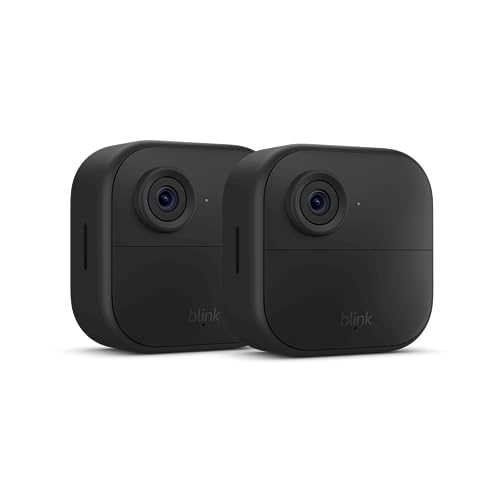
Outdoor security cameras are devices designed to monitor and record activities outside your home or business. Imagine being able to keep an eye on your driveway or your backyard from your smartphone or tablet, no matter where you are. This technology enables real-time video feeds and recorded footage, giving you peace of mind whenever you’re away.
Why Are They Important?
These cameras play a critical role in deterring crime. A visible camera can discourage potential burglars or vandals from targeting your property. Besides, in the unfortunate event that a crime occurs, having video evidence can be invaluable to law enforcement.
Key Features to Look for When Choosing an Outdoor Security Camera
Weather Resistance and Durability
Since these cameras will be exposed to the elements, selecting one with a robust weatherproof rating is crucial. Think about the components in your area, like rain, snow, or extreme temperatures, and opt for a camera designed to withstand these conditions.
Resolution and Video Quality
Resolution is important because it affects how clear and detailed the footage is. Higher resolution means better clarity. We recommend looking for a camera that offers at least 1080p resolution so that you can clearly see faces and any relevant details.
Night Vision Capabilities
Investing in a camera with strong night vision features allows you to monitor your property even in complete darkness. Look for cameras that use infrared technology to provide clear images during nighttime.
Field of View
The field of view refers to how much area a camera can monitor. A wider view enables you to cover more ground, which is particularly useful for larger properties, ensuring you have less blind spots to worry about.
Storage Options
Consider how you want to store your camera footage. Some cameras come with built-in storage, while others offer cloud storage solutions. Think about which storage method fits your needs and budget while also considering how much footage you might need to keep.
How to Install Your Outdoor Security Camera for Maximum Protection
Choosing the Right Location
Placement is key when it comes to installation. We recommend positioning your cameras at entry points like doors and windows, as well as areas with high foot traffic. Installing them at least eight to ten feet above ground helps reduce tampering.
Wiring and Power Supply
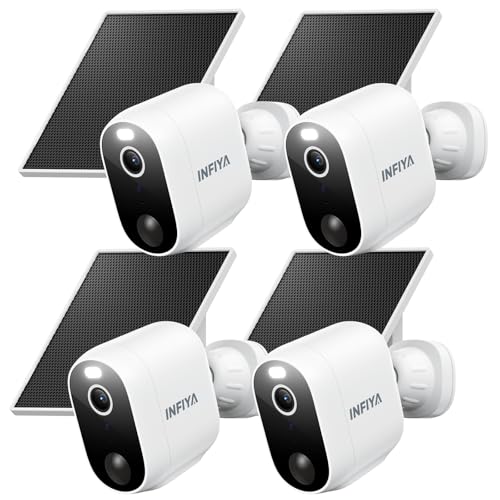
If your outdoor camera requires a wired connection, ensure you understand the power requirements. If you choose a wireless model, make sure it has consistent battery life or is charged via solar power, minimizing maintenance efforts.
Testing Your Camera’s Coverage
After installation, test your camera’s coverage to ensure the desired areas are visible. Take note of any blind spots, and adjust the angle or the location as needed to ensure full visibility.
Tips for Maintaining Your Outdoor Security Camera
Regularly Clean the Lenses
Dirt, grime, and weather conditions can hinder video quality. We suggest a routine cleaning schedule, especially after heavy storms or seasons with more dust or pollen.
Check Connectivity and Functionality
It’s crucial to make regular checks to ensure that your camera is operating correctly. This includes checking the connection to your network and that the camera is recording as intended.
Update Software and Firmware
Keeping your camera’s software up-to-date is important for security and performance enhancement. Regular updates can improve the camera’s functionality and security features.
FAQs About Outdoor Security Cameras: Answers to Common Questions
Can I use indoor cameras outdoors?
Indoor cameras are not built to withstand outdoor conditions and can be damaged by weather, thus it’s important to choose a model specifically designed for outdoor use.
Do outdoor security cameras need Wi-Fi?
Many outdoor cameras do require Wi-Fi to transmit video footage to your devices. However, there are also options for cameras that can work without Wi-Fi, using local storage or cellular data.
How much storage do I need?
The amount of storage you need will depend on how often you use your camera and how long you want to keep footage. A good rule of thumb is to ensure your camera has enough storage to keep at least a week’s worth of recordings.