







Understanding What a Nebulizer Is and How It Works
What is a Nebulizer?
A nebulizer is a medical device that transforms liquid medication into a mist, allowing patients to inhale it directly into their lungs. This is particularly beneficial for individuals suffering from respiratory conditions such as asthma, chronic obstructive pulmonary disease (COPD), or cystic fibrosis. By delivering medication straight to the lungs, nebulizers can ensure more effective treatment compared to other forms like pills or inhalers.
How Does a Nebulizer Function?
Nebulizers typically work by using a compressor to create air that forces the medication through a device called a nebulizing cup. As the air flows through, it breaks down the medication into tiny droplets, forming a fine mist. Patients simply need to breathe normally through a mouthpiece or mask, allowing the mist to penetrate deep into the lungs. This method makes it easier, especially for young children or individuals with difficulty using inhalers.
Different Types of Nebulizers for Every Need
Compressor Nebulizers
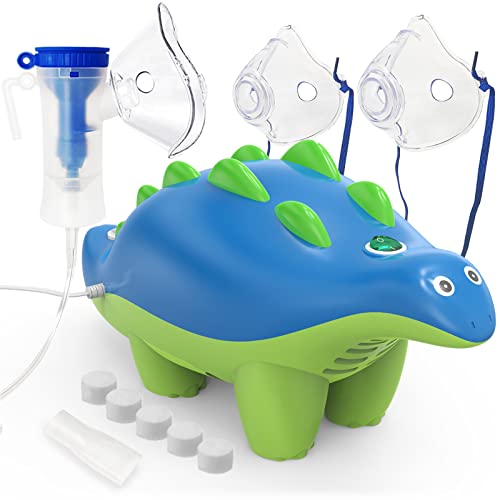
These are the most common type of nebulizers. They use a motor to pump air through the medication, creating a mist. Compressor nebulizers are reliable and often more powerful, making them suitable for a wide range of medications. They are typically used in homes and can take a bit longer to deliver medication but are effective for various treatments.
Ultrasonic Nebulizers
Ultrasonic nebulizers use high-frequency sound waves to turn the medication into mist. They are usually quieter and more compact than their compressor counterparts, making them ideal for travel. They may, however, be less suitable for certain types of medications that require a specific particle size.
Mesh Nebulizers
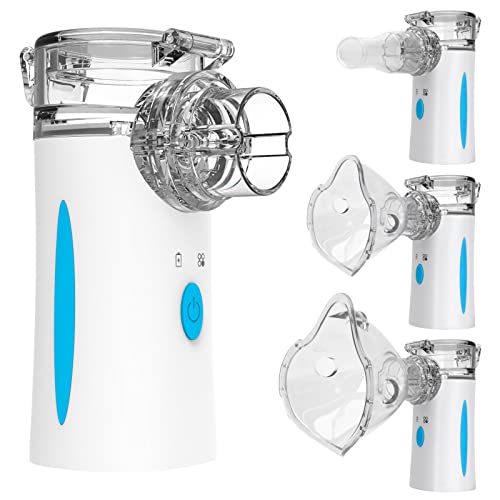
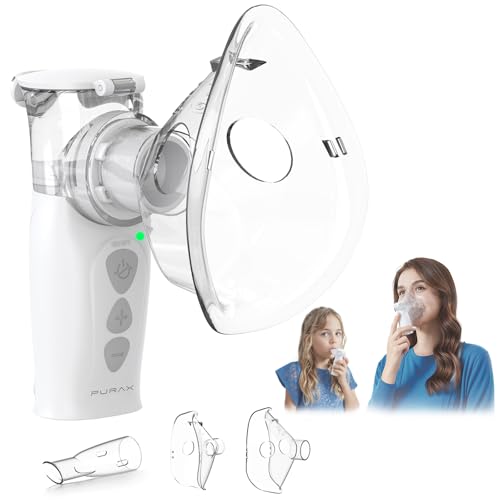
Mesh nebulizers are a newer type of device that uses a vibrating mesh to create a fine mist. They are very portable and quiet and deliver medication quickly, which is perfect for on-the-go use. These nebulizers can be slightly pricier but are often favored for their efficiency and easier maintenance.
Key Features to Consider When Buying a Nebulizer
Medication Compatibility
Before making a purchase, we need to ensure the nebulizer can handle the specific medications prescribed by your doctor. Some nebulizers are designed to work better with certain types of medications, so check the compatibility before committing.
Size and Portability
If you plan to use your nebulizer at home, the size may not be a significant concern. However, for those who travel frequently or need a nebulizer for on-the-go, look for a lightweight, compact model that can easily fit in a bag.
Noise Level
Consider the noise the nebulizer makes during operation. If you are using it at night or in quiet areas, a quieter nebulizer might be more suitable, especially for children who might be sensitive to sound.
Ease of Use and Cleaning
Choose a nebulizer that is simple to operate, especially if it will be used by children or older adults. Moreover, easy-to-clean models will save time in maintenance and help prevent any potential buildups of bacteria.
Top Nebulizer Brands and Their Best Products
Omron
Omron is known for its reliable and efficient nebulizers. Models like the Omron NE-C801 are popular for their compact design and effectiveness in delivering medication. They also offer features like easy cleaning and a variety of accessories.
Philips Respironics
Philips Respironics produces high-quality nebulizers such as the Innospire Essence. It is praised for its sturdy build and user-friendly design, making it an excellent choice for users who need a dependable device.
Pari
Pari offers rugged and efficient nebulizers like the Pari Turbo Boy. Users appreciate its fast delivery and ability to use various medications, along with the durability of its components.
Tips for Using and Maintaining Your Nebulizer
Read Instructions Carefully
Before using your nebulizer, we should take the time to read the manufacturer’s instructions thoroughly. Understanding the setup, operation, and cleaning process can enhance the lifespan of your device and lead to more effective treatments.
Regular Cleaning Routine
To prevent any medication buildup or contamination, clean your nebulizer parts as recommended—typically after each use. Rinse the nebulizing cup and mouthpiece in warm water, and allow them to air dry completely.
Monitor Performance
Regularly check if your nebulizer is functioning up to standard. If you notice longer treatment times or less mist, it may indicate a need for filter replacement or cleaning, ensuring you receive the proper medication dosages.