






Understanding Moisture Meters: Why You Need One
The Importance of Measuring Moisture
Moisture meters are essential tools for anyone involved in building, gardening, or woodworking. They help us accurately gauge the moisture content in materials such as wood, drywall, and soil. Why is this important? High moisture levels can lead to issues like mold growth, structural damage, and even affect the longevity of your projects. By measuring moisture, we can protect our investments and ensure our environments are safe.
Common Scenarios for Use
Imagine you’re working on a home renovation and you’re unsure if the wood you’ve bought is dry enough to use. Using a moisture meter allows you to check if the wood’s moisture content is at a safe level, preventing future problems. Similarly, if you’re an avid gardener, checking soil moisture levels ensures that your plants receive the right amount of water, promoting healthier growth.
Types of Moisture Meters: Choosing the Right One for Your Needs
Pin vs. Pinless Meters
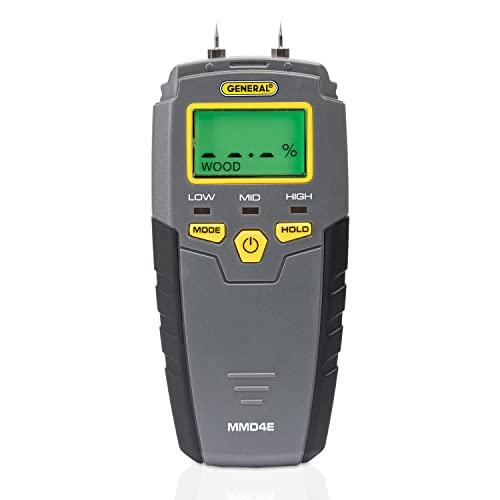
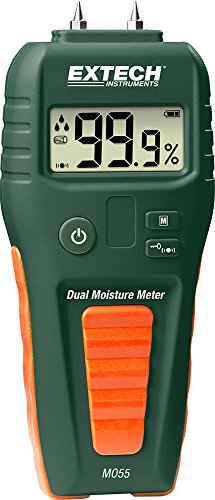
There are two main types of moisture meters: pin-type and pinless. Pin-type meters have two sharp probes that penetrate the material to measure moisture. They’re great for getting accurate readings on wood, but they can leave small holes in the material. Pinless meters, on the other hand, use electromagnetic waves to measure moisture without damaging the surface. This type is particularly useful for larger areas or delicate surfaces.
Specialty Meters for Specific Applications
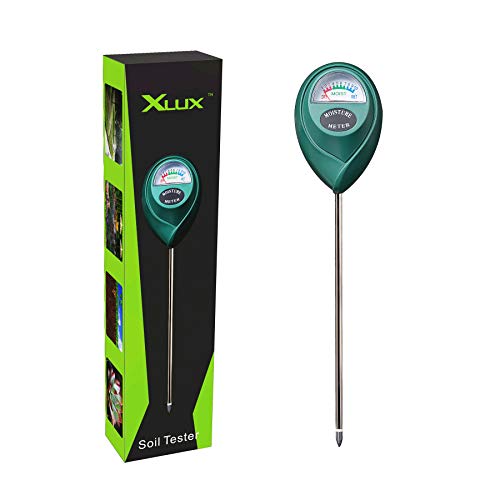
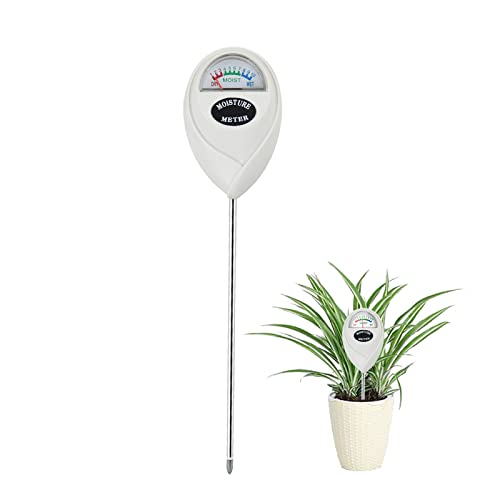
If you’re a professional in construction, you might consider a specialized moisture meter designed for specific materials, like concrete or plaster. These meters have unique features that allow for precise measurements that standard models could miss. Similarly, garden moisture meters often come with added functionalities like soil pH testing.
How to Use a Moisture Meter: A Step-by-Step Guide
Preparing the Material
Before using a moisture meter, ensure the material is clean and free of surface moisture or contaminants. This step is critical for accurate measurements. For wood, let’s say you’re checking a board; wipe down any dust or debris that may skew your results.
Taking the Measurement
For pin-type meters, simply insert the pins into the material and read the display. For pinless models, place the meter flat against the surface and follow the prompt to receive a reading. Always take multiple readings at different points to get an average moisture content. Remember, slight variations may occur due to environmental conditions.
Interpreting Your Results
Once you have your readings, refer to the user manual for guidance on what those levels mean for your specific application. For instance, wood typically should have a moisture content of around 6-12%, while soil moisture levels vary depending on the plant type. Understanding these numbers will help you make informed decisions about your projects.
Key Features to Look for in a Moisture Meter
Accuracy and Range
When selecting a moisture meter, prioritize those that promise high accuracy and offer a wide measurement range. This ensures versatility in various scenarios and materials.
Ease of Use and Display
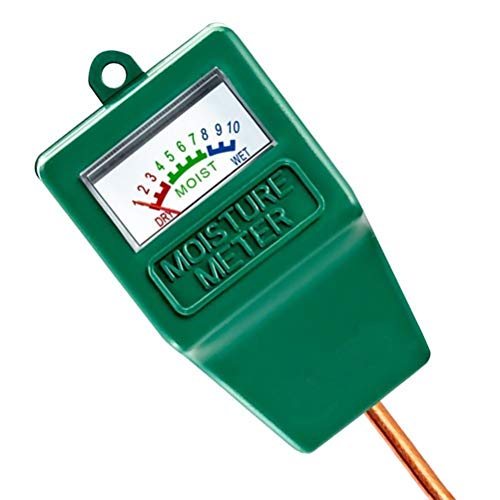
A clear, easy-to-read display is crucial for a moisture meter. Look for options with backlit screens or LED indicators that simplify reading in dim environments.
Additional Features
Consider models that come with features like memory recall, data hold, or the ability to measure temperature alongside moisture, as these can enhance functionality and user experience.
Top Moisture Meters We Recommend: Our Picks for Best Value
Best Overall Moisture Meter
For a versatile choice, we recommend a moisture meter that balances functionality with affordability, offering both pin and pinless capabilities. Such devices ensure you can tackle various tasks around the house or garden.
Best Budget Choice
If you’re looking to spend less, opt for a straightforward pin-type moisture meter. It will provide reliable readings without breaking the bank and is perfect for basic home projects.
Best for Pros
Should you require a high-end model, consider a moisture meter designed for professional use, complete with advanced features like Bluetooth connectivity for data tracking. These models cater to serious contractors or builders who need precise specifications.