





Understanding Metal Detectors: A Simple Breakdown of How They Work and What They Find
What is a Metal Detector?
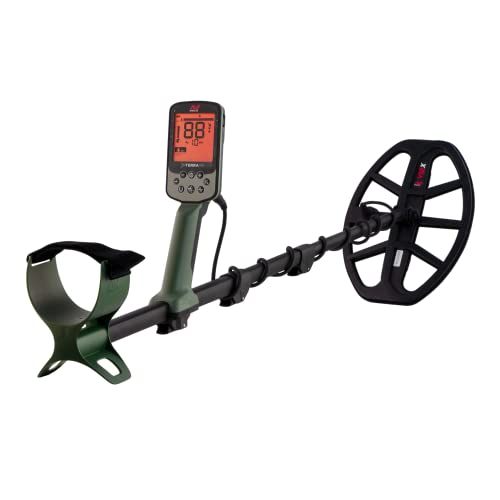
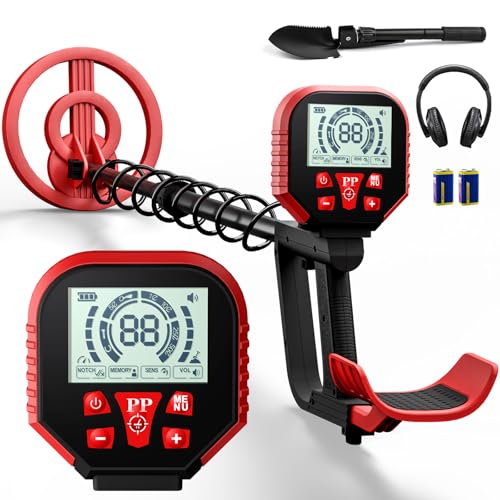
A metal detector is a hand-held device that can locate various types of metal buried underground or hidden in other materials. Think of it like a high-tech treasure hunter; when you walk over metal, the device emits a sound or visual alert. Whether you’re searching for coins, jewelry, historical artifacts, or just enjoying a hobby, a metal detector can help you uncover hidden treasures.
How Do Metal Detectors Work?
At its simplest, a metal detector works by sending out an electromagnetic field into the ground. When this field encounters metal, it generates an electric current, which the detector picks up and signals to you. This is why you can walk in a park and suddenly hear a beep – it’s your detector telling you there’s something beneath the surface.
What Can You Find with a Metal Detector?
You can find items ranging from coins and jewelry to valuable relics and even gold nuggets, depending on where you choose to search. Parks, beaches, old battlefields, and historic sites are often fruitful locations for metal detecting. Each area has its own potential for discoveries, and the excitement lies in not knowing what you might find.
Choosing the Right Metal Detector for Your Needs: Types and Features Explained
Different Types of Metal Detectors
There are primarily three types of metal detectors: VLF (Very Low Frequency), PI (Pulse Induction), and BFO (Beat Frequency Oscillation). VLF detectors are commonly used for coin and jewelry hunting due to their high sensitivity to small metal objects. PI detectors are excellent for gold prospecting and can work well in highly mineralized soils. BFO detectors are the most basic and easiest for beginners, suitable for general treasure hunting.
Key Features to Consider
When selecting a metal detector, consider features such as sensitivity, discrimination settings (which allow you to ignore certain metals like iron), depth indicator (to gauge how deep your target may be), and waterproof capabilities (important for beach or underwater detecting). A user-friendly interface and weight are also crucial for a comfortable experience during long searching sessions.
Getting Started with Metal Detecting: Tips for Beginners to Maximize Your Experience
Learn How to Use Your Metal Detector
Before heading out, take the time to familiarize yourself with your metal detector. Read the manual thoroughly and practice in your backyard or a local park to understand the sounds and settings. This practice helps you identify valuable finds versus trash and boosts your confidence when you’re searching in more remote locations.
Best Practices for Effective Metal Detecting
Always research the area where you plan to detect. Look for historical maps or local resources to find hotspots that have previously yielded treasures. Consider bringing a friend along for safety and companionship, but also for shared experience and insights. Be patient; finding treasures can take time, and sometimes the thrill lies in the hunt itself.
Top Metal Detectors on the Market: Our Recommendations for Every Budget
Budget-Friendly Options
For those just starting out, budget-friendly metal detectors like the Bounty Hunter TK4 Tracker IV or the Garrett Ace 300 can offer excellent value. They come equipped with user-friendly features and are perfect for beginners wanting to explore without a significant financial commitment.
Mid-Range Recommendations
If you’re ready to invest a bit more, consider the Fisher F22 or the Minelab X-TERRA 305. These offer greater sensitivity and more advanced features, making them suitable for a wider range of detecting activities while still remaining accessible for novice users.
High-End Choices
For seasoned treasure hunters, top-of-the-line options like the Minelab Equinox 800 or the Garrett AT Max deliver superior performance, allowing for excellent depth detection and advanced target identification. These models come packed with features that can significantly enhance your metal detecting experience, making them well worth the investment.
Maintenance and Care for Your Metal Detector: Ensuring Longevity and Performance
Regular Cleaning and Inspection
To keep your metal detector in optimal condition, routine cleaning is essential. After each outing, wipe down your detector, focusing on removing any dirt or moisture that may have accumulated, especially on electronic components. Regularly check the connections, cables, and coil for signs of wear or damage.
Storage and Handling
Store your metal detector in a cool, dry place when not in use. Avoid leaving it in extreme temperatures, which can affect its performance. Additionally, consider using a protective case to shield it from accidental damage. Handling your detector with care—especially the coil—will also extend its life.