



Understanding Different Mattress Types: Memory Foam, Latex, and Innerspring
Exploring Memory Foam
Memory foam mattresses are designed to conform to your body shape, offering excellent support and pressure relief. Imagine lying down on a cloud that molds to your curves and provides comfort tailored just for you. This material is ideal for couples, as it minimizes motion transfer—meaning if one person moves, the other stays undisturbed. Memory foam is particularly good for side sleepers who need extra support for their hips and shoulders.
Discovering Latex Mattresses
Latex mattresses, made from natural or synthetic rubber, provide a bouncier feel compared to memory foam. Picture that perfect balance between comfort and support. They tend to keep you cooler, making them a great option for those who tend to sleep hot. If sustainability matters to you, look for natural latex options, which are eco-friendly and resistant to dust mites and mold.
Understanding Innerspring Mattresses
Innerspring mattresses use coils for support and are the most traditional type. Think of them like a supportive springboard—offering both bounce and airflow. They’re generally more affordable and come in various styles, from budget to luxury. If you enjoy a more firm feel and prefer classic support, an innerspring mattress might be your best bet. When choosing one, pay attention to coil count and material, as this will impact durability and comfort.
Choosing the Right Firmness Level: How It Affects Your Sleep Quality
Identifying Your Sleeping Style
To determine the right firmness level, we need to consider how you sleep. For back sleepers, a medium-firm mattress usually offers the perfect balance of support and comfort, keeping your spine aligned. Side sleepers typically benefit from a softer mattress that allows for better contouring, ensuring that pressure points in the shoulders and hips are adequately cushioned. Stomach sleepers, on the other hand, often need a firmer mattress to prevent the hips from sinking too far, which can lead to discomfort.
Trying Before You Buy
When shopping for a mattress, it’s crucial to test different firmness levels. Many stores offer trial periods, allowing you to sleep on your choice for several weeks before making a final decision. Don’t hesitate to take your time; laying down for just a minute won’t give you a true sense of how the mattress feels over a night’s sleep. Pay attention to how your body feels after trying various options.
Assessing Size and Dimensions: Finding the Perfect Fit for Your Bed
Choosing the Right Size
Before deciding on a mattress size, measure your bed frame and consider who will be sleeping on the mattress. Common sizes include Twin, Full, Queen, and King. A Twin is perfect for children or small guest rooms, while a Full is great for single adults who like a little extra space. Queens are the most popular size for couples, as they afford a comfortable sleeping area without taking up the entire bedroom. Kings are excellent for those who enjoy luxury or share the bed with pets.
Thinking About Room Dimensions
In addition to the mattress size, think about your room layout. Leaving enough space around the bed for movement and furniture placement is essential. Remember that with larger mattresses, you’ll need space for bedding and top sheets that fit properly. Also, if your bedroom is on the smaller side, a less bulky size might make the space feel less cramped.
Budgeting for Your Mattress: How Much Should You Expect to Spend?
Understanding Price Ranges
When it comes to budgeting for a mattress, prices can vary widely based on type, size, and brand. Basic mattresses can start as low as a few hundred dollars, while high-end models with advanced features can exceed several thousand. For a reliable and comfortable mattress, we recommend budgeting between $800 and $2000. This range typically provides good value and options that cater to various sleep needs.
Recognizing Long-Term Investment
Consider your mattress as an investment in your health and well-being. A good mattress can significantly improve your sleep quality, leading to better energy levels and productivity. Keep in mind that a more expensive mattress may use higher-quality materials, offering durability and comfort that can last for a decade or more. Investing in a mattress that meets your needs can be more economical in the long run when you consider the importance of a good night’s sleep.
Maintenance Tips for Longevity: Keeping Your Mattress in Top Condition
Simple Cleaning Practices
To extend the life of your mattress, regular maintenance is key. We recommend flipping or rotating your mattress every three to six months, depending on the type. This helps to evenly distribute wear and tear. Additionally, using a mattress protector can shield against spills, stains, and allergens. Spilling a drink or having a pet accident doesn’t have to ruin your investment.
Creating the Right Environment
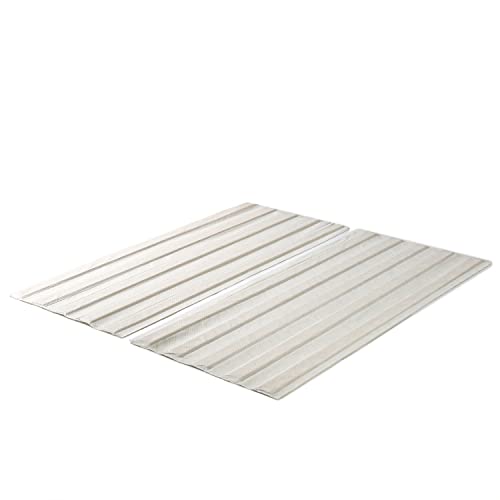
Temperature and humidity can affect your mattress’s lifespan. A well-ventilated room and a stable climate are best for preventing mold and odors. If possible, avoid placing your mattress directly on the floor; using a slatted base or box spring allows for better airflow. Lastly, always check your mattress for any signs of wear, such as sagging or lumps—addressing these issues early can prevent bigger problems down the road.