

Understanding Laser Printers: How They Work and Why They Matter
The Basics of Laser Printing Technology
Laser printers utilize a sophisticated technology that employs lasers to produce high-quality prints. This process starts when a laser beam scans across a drum, creating an electrostatic image of the document to be printed. This drum then attracts toner, a fine powder, which is transferred onto paper and fused with heat to create sharp, clear images and text. The result is a fast and efficient printing method that’s known for its reliability and precision.
The Importance of Laser Printers in Daily Life
Understanding the value of laser printers is essential, especially for those managing busy home offices or small businesses. Their speed makes them suitable for high-volume printing, lessening downtime and increasing productivity. Additionally, laser printers generally have a lower cost per page compared to inkjet printers, making them a more economical choice for frequent printing tasks.
Choosing the Right Laser Printer for Your Home or Office Needs
Assessing Your Printing Needs
Before diving into specific models, it’s crucial to evaluate your printing habits. Consider how often you print documents and what types of items you typically produce, such as text-heavy reports, graphics, or presentations. If your work involves a lot of color printing, you might look for color laser printers, while black-and-white laser printers are efficient for straightforward document printing.
Understanding Different Printer Types
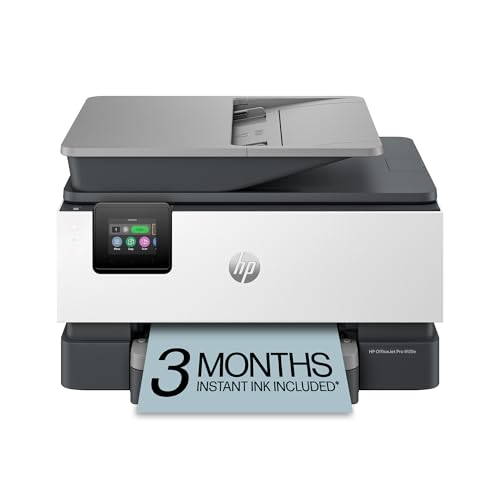
Laser printers come in various forms, including single-function models that solely print, and multifunction models that can also scan, copy, and fax. For home use, a multifunction printer can save space and reduce the number of devices needed, while an office environment might benefit from dedicated printing machines that prioritize high-volume outputs.
Key Features to Look For in a Quality Laser Printer
Print Speed and Quality
Print speed is often a top priority for users. Measured in pages per minute (PPM), a good laser printer should produce at least 20 PPM for efficient performance. Additionally, resolution is important; look for printers with a minimum of 600 x 600 dots per inch (DPI) for acceptable quality, with higher DPI values providing sharper prints.
Connectivity Options
Modern laser printers often include various connectivity options, so consider your needs. USB ports are standard, but you may benefit from Wi-Fi or Ethernet connections for networked usage or mobile printing capabilities. Print from your smartphone or tablet for maximum convenience, especially in a fast-paced environment.
Paper Handling and Capacity
Another important feature is the paper handling capacity. Look for printers with trays that can hold at least 250 sheets of paper, which minimizes the frequency of refills. Additionally, consider the range of paper types and sizes supported, like envelopes, cardstock, or labels to meet all your printing requirements.
Top Laser Printer Recommendations for Different Budgets
Budget Options for Everyday Use
For those on a tight budget, there are reliable monochrome laser printers that deliver great performance without breaking the bank. Look for models known for their efficiency and ease of use, as they can handle basic printing tasks with quality results.
Mid-Range Choices for Versatile Needs
In the mid-range category, you’ll find multifunction laser printers that offer scanning and copying capabilities alongside printing. These models typically balance performance and price, making them suitable for both home and small office settings.
High-End Printers for Professional Results
If you’re looking for premium quality, consider high-end laser printers designed for professional use. These models often provide impressive print speeds, superior resolution, and advanced paper handling features that can accommodate heavy workloads.
Setting Up Your Laser Printer: A Step-by-Step Guide
Unboxing and Initial Setup
Once you’ve chosen your laser printer, carefully unbox it and set it up. Begin by removing all protective materials and placing the printer on a stable, flat surface, ideally near a power source and your computer for easy connectivity.
Installing Toner and Paper
Next, open the toner compartment and carefully insert the toner cartridge according to the instructions. After that, load the paper tray with the appropriate type of paper, ensuring you adjust the guides to fit.
Connecting to Networks and Devices
When your printer is physically set up, it’s time to connect it to your computer or network. Follow the instructions included in the manual, whether connecting via USB or setting up a Wi-Fi connection. Many models also have user-friendly software that guides you through the installation process.
Testing and Maintenance Tips
After everything is connected, perform a test print to ensure everything is functioning as expected. Regular maintenance will help prolong your printer’s life; this includes cleaning the drum and ensuring the printer remains free of dust and debris.