


Understanding Laser Levels: What They Are and How They Work
Basics of Laser Levels
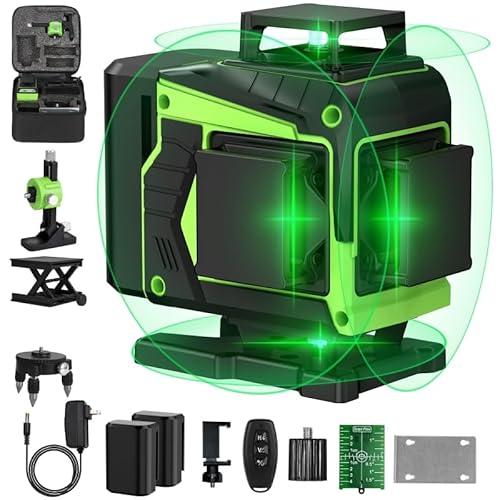
Laser levels are essential tools for those involved in construction, renovations, or any project that requires precise measurements. They project a beam of light that creates a straight line, allowing you to align objects accurately. This technology works by utilizing a laser beam that is emitted from a unit, usually mounted on a tripod, to mark level lines across walls or floors, making it easier to install shelves, hang artwork, or lay tiles.
How Laser Levels Function
When you set up a laser level, it emits a bright beam that can be adjusted to project horizontal or vertical lines. Some advanced models even provide 360-degree coverage or reference points that can guide your work throughout a room. When using one, you’ll often find that the beam’s visibility increases with the distance, depending on the model and environmental conditions, which can greatly enhance your precision.
Types of Laser Levels: Choosing the Right Fit for Your Project
Rotary Laser Levels
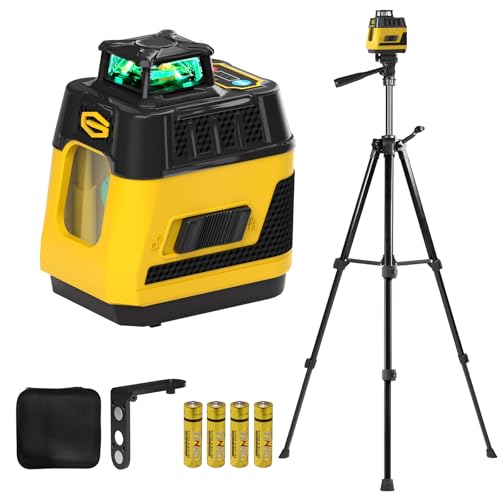
These are ideal for outdoor projects, as they can project a beam in a full circle. This makes them perfect for grading, digging, and surveying large areas since they can cover a large distance and create a consistent horizontal plane.
Line Laser Levels
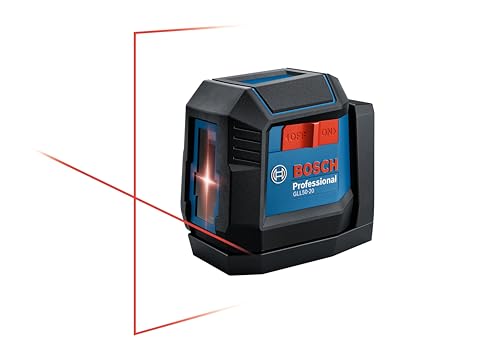
Best suited for interior work, line laser levels projects a straight line either horizontally or vertically. They’re great for tasks like hanging pictures, aligning cabinets, or installing wallpapers, providing clear visual guidance for medium-range projects.
Dot Laser Levels
Dot laser levels project a series of dots in various directions, and they are often used for measuring and transferring points between different heights. They are handy for smaller tasks requiring precise point marking.
Key Features to Consider: What Makes a Great Laser Level
Accuracy and Range
Accuracy is paramount when selecting a laser level. A good model should provide measurements within a fraction of an inch at a specified distance. It’s also crucial to consider how far the laser can project; some models are effective over dozens of feet, while others may only work effectively in smaller, confined spaces.
Self-Leveling Function
Many modern laser levels come with a self-leveling feature, which means the tool adjusts itself automatically to ensure that the projection is level. This function can save time and effort, making it easier for users to achieve precision without continually checking their work.
Durability and Battery Life
Look for a laser level that is built to withstand the conditions of your work environment. IP ratings can indicate water and dust resistance. Additionally, battery life is critical—models with rechargeable batteries or longer-lasting batteries will be more convenient for ongoing projects.
Top Recommendations: Our Picks for Various Needs and Budgets
Best Value for Home Projects
For home use, we recommend the mid-range line laser level, which offers great accuracy and a solid number of features at a reasonable price. It’s perfect for hanging pictures, installing shelves, and other everyday tasks without the need for advanced laser technology.
Best for Professionals
If you’re a contractor or doing extensive outdoor work, the rotary laser level stands out. Its ability to self-level and project lines across large distances makes it an excellent investment for those needing precision in various conditions.
Best Budget Option
For those just starting or with occasional use, there’s a reliable dot laser level that offers essential features without breaking the bank. It’s simple and effective for smaller projects around the house.
Tips for Using Your Laser Level Effectively
Setting Up Your Tool
Ensure you place your laser level on a stable surface, preferably at the height you’ll be working at. Use a tripod when necessary to avoid any shakes or movements that could throw off your measurements.
Adjusting the Beam
Take time to properly align the laser beam according to what you’re working on. Use marking tape or a pencil to mark the projected line; this makes it easier to see how the beam aligns with your project.
Regular Calibration
To maintain accuracy over time, it’s good practice to check your laser level periodically. Most models come with instructions on how to calibrate them. Keeping this tool calibrated ensures your results remain precise for years to come.