



Understanding the Components of a Knife Set: What Do We Really Need?
Essential Knives for Every Kitchen
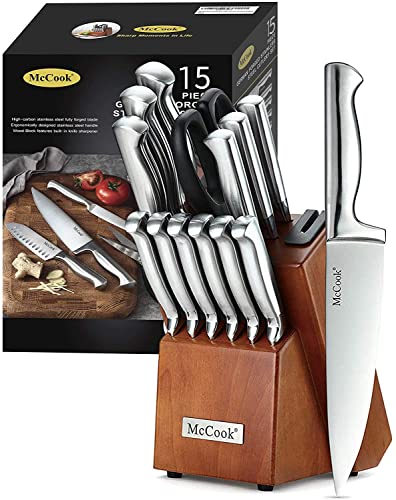
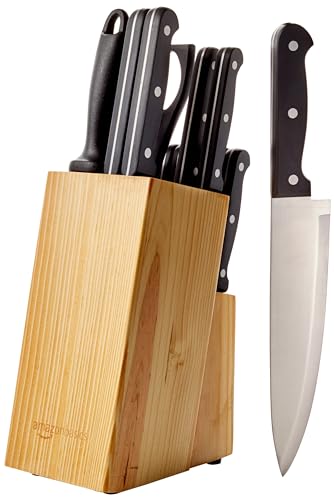
When we consider a knife set, it’s essential to know which knives are absolute must-haves for our culinary needs. A basic kitchen knife set typically includes a chef’s knife, a paring knife, and a serrated bread knife. The chef’s knife, usually between 8 to 10 inches long, is a versatile tool designed for a variety of tasks, from chopping vegetables to slicing meats. The paring knife, smaller and easier to control, is perfect for peeling fruits or intricate tasks like deveining shrimp. The serrated knife, with its saw-like edge, makes bread and tomatoes easier to cut without crushing them. By having these three essential knives, we set ourselves up for success in the kitchen.
Understanding Additional Knives
Beyond the basics, we might also consider adding specialty knives depending on our cooking style. A boning knife is helpful for cutting meat away from the bone, while a fillet knife is perfect for wonderfully delicate fish preparation. If we often prepare large cuts of meat, a carving knife would enhance our presentation. But think carefully; it makes sense to expand our collection as our cooking skills grow and our needs become clearer. Each additional knife should serve a purpose in our culinary adventures.
Different Types of Knives: Choosing the Right Blade for Your Cooking Style
Understanding Knife Functions and Designs
Selecting the right knife can have a significant impact on our cooking experience. If we lean more towards precision tasks, we might want to invest in a Japanese-style knife, known for its sharpness and ability to hold an edge longer. For those who love rustic styles, a Western-style chef’s knife with a broader blade might be more appealing. If we frequently delve into baking, a straight-edged knife for dough or a delicate pastry knife can enhance our efficiency and results. Assessing our cooking habits and preferences is crucial in determining which knives will elevate our culinary creations.
Trying Out Different Styles
If we find ourselves unsure about what feels right, visiting a kitchen supply store can provide valuable hands-on experience. We can take the time to hold different options, testing their balance and grip. A knife should feel comfortable in our hand, and it should complement our slicing style. We might be surprised by our preferences; sometimes, the most highly recommended knives don’t work well for us personally.
Material Matters: How Steel and Handles Affect Performance
Choosing the Right Steel for Durability and Sharpness
The material of the knife blade is a significant factor in its performance. Stainless steel is popular for its resistance to rust and easy maintenance. High-carbon stainless steel, on the other hand, offers the best of both worlds, maintaining its sharp edge while providing durability. If we’re serious about our cooking, we might explore blades made from high-carbon steel, which can take on a finer edge but requires more maintenance. This choice often comes down to our commitment to care; if we are diligent about cleaning and storing our knives, high-carbon steel could be a wise choice.
Evaluating Handle Comfort and Material
Equally important is the knife handle. Materials can range from plastic to wood and stainless steel, each offering different feels and weights. A comfortable handle is crucial for safety and effectiveness during use. A textured grip can enhance control and prevent slipping during use, making this a point not to overlook. We should consider the aesthetics of our kitchen too; if we prefer a cohesive look, we might want to match handle materials to our kitchen décor.
Care and Maintenance: Prolonging the Life of Your Knife Set
Implementing Good Habits for Longevity
Caring for our knife set is essential to ensure its longevity. We should always hand wash our knives instead of putting them in the dishwasher, which can dull the blade over time. After washing, drying them immediately helps prevent rust or corrosion. Regularly honing the edge with a honing steel keeps knives sharp, while occasional sharpening will maintain their performance. Proper storage is another consideration; a knife block or magnetic strip can secure our knives and prevent dulling due to contact with other utensils.
Understanding Usage and Safety
We can also protect our knife set by using appropriate cutting boards. Wooden or plastic boards are preferable to glass or ceramic, which can damage the knife edge. Safety should also be a priority; using the knives correctly and ensuring that they are always stored safely away from children protects both the knives and those in the kitchen. Incorporating these practices into our routine will keep our set in top condition, allowing us to enjoy our culinary endeavors for years.
Budgeting for Quality: Finding the Best Knife Set for Your Kitchen
Assessing Needs vs. Wants
When budgeting for our knife set, it’s worthwhile to identify what we truly need versus what looks appealing on the shelf. While it can be tempting to consider a large, flashy set, we should focus on quality rather than quantity. Investing a bit more in fewer, high-quality knives can often lead to a better long-term experience. It’s about finding that balance between our culinary aspirations and practical spending.
Comparing Brown and White Box Options
We should also keep an eye on how knife sets are packaged. Sometimes, buying a brown box sets containing a select number of essential knives saves us money, while individual brand sets, though aesthetically pleasing in white boxes, may not offer the best functional value. Understanding that we can mix and match to personalize our knife collection can stretch budgets further while enhancing our kitchen experience. We’ll find that the right set doesn’t have to break the bank; the best knife set is the one that fits our cooking style, feels good to use, and stays within our budget.