

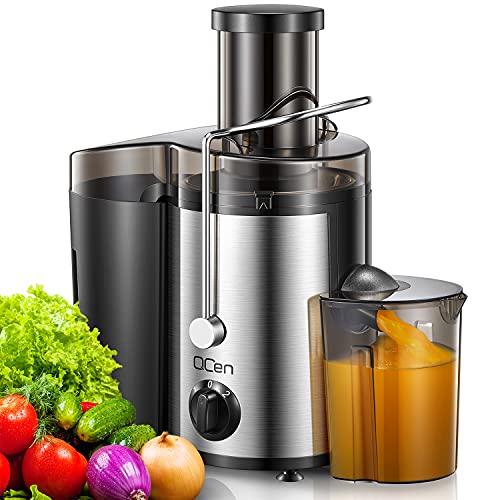


Understanding Juicers: Types and How They Work
Types of Juicers
When we think about juicers, it’s essential to understand that not all juicers are created equal. There are two main types: centrifugal juicers and masticating juicers. Centrifugal juicers are designed for speed; they use spinning blades to chop produce and extract juice quickly, making them ideal for those who want a fast and convenient option. On the other hand, masticating juicers process fruits and vegetables by crushing and squeezing them, which ensures a higher yield of juice and preserves more nutrients. Some even come with multi-functional capabilities, allowing them to serve as food processors or even make nut milks.
How Juicers Work
Centrifugal juicers work in a very straightforward way. When you feed fruits or vegetables into the chute, the rapid spinning of the blade creates centrifugal force, extracting juice while discarding pulp. This method is efficient for softer produce, like apples or oranges, but might not be as effective with leafy greens. Masticating juicers, on the other hand, operate more slowly but thoroughly. By crushing and grinding the produce, they release juice while separating the pulp effectively. This method allows for better nutrient retention and is excellent for leafy greens and carrots.
Key Features to Consider When Buying a Juicer
Juicer Power and Speed
When we’re in the market for a juicer, one of the primary characteristics to consider is power and speed. A powerful motor will ensure that harder fruits and vegetables are processed efficiently, so look for juicers with at least 400 watts for centrifugal models and 150 watts for masticating ones. Also, consider the speed options; some models come with multiple speed settings designed for different types of produce.
Juice Yield and Pulp Separation
The efficiency of juice extraction is crucial for any juicer. High juice yield means you’ll get more liquid from your produce, so it’s worth checking out models that are known for their effective extraction. Good pulp separation is equally important—you want a juicer that leaves a dry pulp, as this indicates that the maximum amount of juice has been extracted. Additionally, some juicers offer the option of adjusting the pulp control, letting you customize the level of pulp in your juice.
Ease of Cleaning and Assembly
One of the biggest concerns for anyone using a juicer is cleaning it afterward. Look for juicers with removable parts that are dishwasher safe, which can significantly cut down on your cleaning time. Additionally, models that assemble and disassemble easily with fewer parts are generally more user-friendly, ensuring that juicing doesn’t become a chore.
How to Choose the Right Juicer for Your Lifestyle
Juicing Frequency
Your juicing habits play a significant role in deciding which juicer will work best for you. If you only plan on juicing occasionally, a compact and user-friendly centrifugal juicer might be the perfect fit. However, if you envision juicing daily or multiple times a week, investing in a masticating juicer could offer better performance and longevity, making it easier to experiment with various recipes.
Space Considerations
Consider your kitchen space before making a purchase. Some juicers, particularly masticating models, tend to be bulkier. If you have limited counter or storage space, a more compact centrifugal juicer may be the best option for you. Make sure to measure your available space and compare it with the dimensions of the juicer you’re considering to ensure you have enough room to use it comfortably.
Maintenance Tips for Your Juicer: Keeping It Running Smoothly
Daily Cleaning Routine
To maintain peak performance, we recommend cleaning your juicer immediately after use. Rinse removable parts under running water and use a brush to scrub stubborn residue. A quick daily clean helps prevent buildups that can affect the juicer’s efficiency and lifespan.
Periodic Deep Cleaning
In addition to the daily clean-up, it’s beneficial to perform a deep cleaning session once a month. This involves taking apart all components and soaking them in warm, soapy water. Check for any parts that may need to be replaced due to wear and tear, and always read the manufacturer’s instructions to avoid damaging the juicer.
Inspiring Recipes to Try with Your New Juicer
Refreshing Morning Green Juice
For a revitalizing breakfast option, try this easy recipe: combine kale, green apple, cucumber, and lemon. This juice is packed with vitamins and will kickstart your day with a burst of energy.
Tropical Fruit Juice
If you’re looking for something fruity and delicious, blend together pineapple, mango, and a hint of ginger. This refreshing juice is not just tasty; it’s also great for boosting your immune system and hydrating your body.