



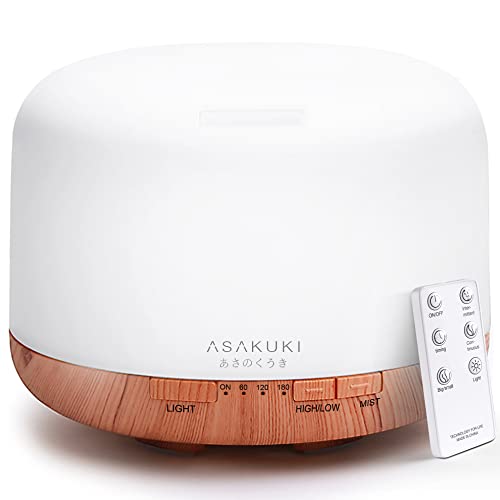


Understanding Humidifiers: What They Are and Why We Need Them
What is a Humidifier?
A humidifier is a device designed to add moisture to the air, which is particularly useful in dry environments or during winter months when indoor heating can lead to overly dry conditions. By maintaining optimal humidity levels, usually between 30-50%, we can significantly improve our comfort and health. Dry air can lead to various issues, such as dry skin, irritated sinuses, and respiratory problems, making a humidifier an essential home appliance.
Benefits of Using a Humidifier
Using a humidifier can bring numerous benefits to our homes. It helps alleviate symptoms of colds and allergies by keeping our airways moist, which can also enhance our overall respiratory health. Additionally, humidifiers can protect wooden furniture and flooring from cracking caused by dry air. We might also notice a significant difference in how our skin feels—less dryness and a more hydrated complexion—when we use these devices regularly.
Types of Humidifiers: Choosing the Right One for Our Space
Evaporative Humidifiers
Evaporative humidifiers work by using a fan to blow air through a wet wick filter, introducing moisture into the room. These are self-regulating, meaning that as humidity increases, the evaporation rate slows down; therefore, they are less likely to over-humidify. They’re perfect for those who want a straightforward, low-maintenance option.
Ultrasonic Humidifiers
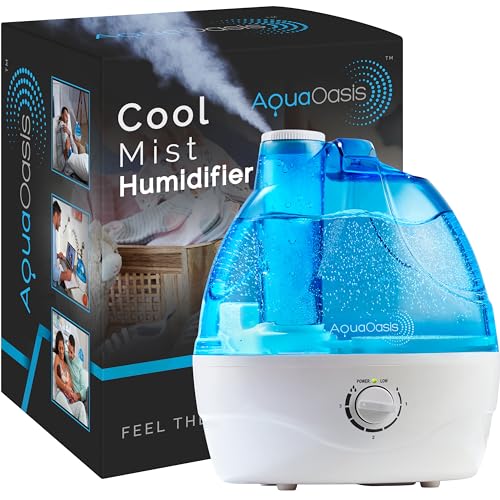
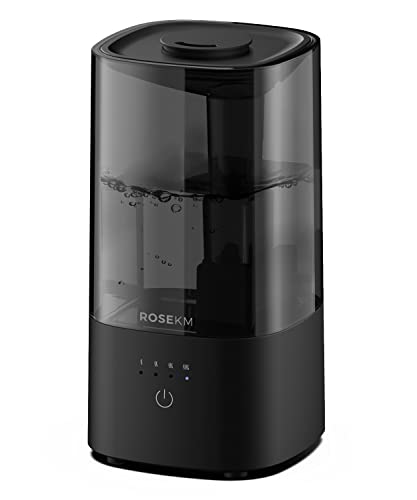
Ultrasonic humidifiers use ultrasonic vibrations to produce a cool mist. They are typically quieter than evaporative models and can have various features such as built-in humidistats and even color-changing lights for ambiance. They’re ideal for bedrooms or nurseries where noise levels need to be kept to a minimum. As they don’t require a filter, maintenance is often simplified.
Steam Vaporizers and Warm Mist Humidifiers
This type of humidifier heats water to create steam, which is then cooled slightly before being released into the air. They are great for killing bacteria and germs but can get quite hot, so they should be placed out of reach of children. If you’re looking for relief from cold symptoms, these tend to work well because they can produce a soothing warmth.
Impeller Humidifiers
Impeller humidifiers use a rotating disk to fling water into a diffuser, creating a cool mist. They are usually quieter than evaporative models but can be a bit less common. They work best in smaller spaces and can be a good choice for personal use.
Key Features to Consider: Making Informed Decisions
Size and Coverage Area
Before settling on a humidifier, we should consider the size of the space where we’ll be using it. Manufacturers often list the coverage area in square feet, which can help us choose the right size. For larger rooms, a unit designed for more extensive coverage will ensure effective moisture distribution.
Humidistat and Controls
Having a built-in humidistat can offer increased convenience, allowing the humidifier to automatically adjust its output based on the room’s current humidity level. Additionally, easy-to-use controls and settings can enhance our experience, making it simpler to maintain our desired humidity level.
Maintenance and Filter Replacement
We should also be mindful of how easy a humidifier is to clean and maintain. Some models require regular filter replacements, while others do not. A model with a removable tank and dishwasher-safe components could save us time and hassle, ensuring optimal performance.
Maintaining Your Humidifier: Tips for Longevity and Efficiency
Regular Cleaning
To keep our humidifier running efficiently, we need to establish a regular cleaning routine. This generally means emptying the tank daily and cleaning it with a mild solution to prevent mold and bacterial growth. Depending on the water quality in our area, we may need to clean it weekly.
Using Distilled Water
Whenever possible, using distilled water in our humidifiers can significantly cut down on mineral buildup and reduce the need for frequent cleaning. It will also prevent white dust from forming, which can occur with some humidifiers that use tap water.
Proper Storage
If we decide to store our humidifier during off-seasons, it’s essential to clean and dry it thoroughly before putting it away. This will prevent any moisture from lingering and developing mold, making sure it’s ready for use when we need it again.