

What is a Heat Pump Dryer and How Does it Work?
Understanding the Basics
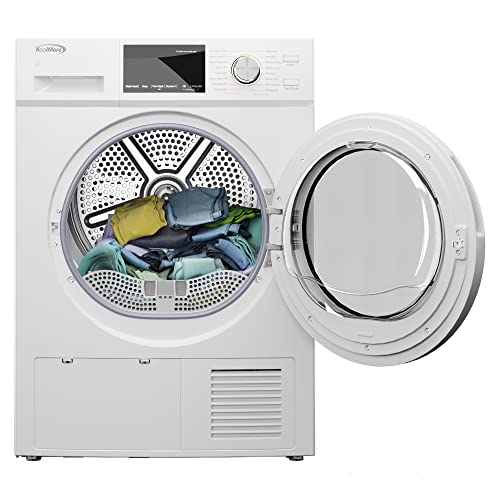
A heat pump dryer is a type of clothes dryer that uses a heat pump to dry your laundry. Unlike traditional dryers that blow hot air into the drum, heat pump dryers operate using a more efficient process. They recycle hot air inside the dryer, capturing moisture from your clothes and releasing cool, dry air. Essentially, they work by heating the air, passing it through your wet clothes, and then recirculating the warm, moist air back into the system. The moisture is then removed and collected in a tank or drained away.
Key Benefits of Using a Heat Pump Dryer for Your Home
Efficiency Matters
Heat pump dryers are much more energy-efficient than conventional models. By using a heat exchange process, they consume significantly less electricity, which can lower your utility bills and reduce your carbon footprint. Additionally, since they operate at lower temperatures, they are kinder to fabrics, reducing wear and tear over time.
Space-Saving Convenience
One of the major advantages of heat pump dryers is their compact design. They are perfect for homes where space is limited, allowing you to fit them in tighter spaces without sacrificing drying capacity. Many models are also designed to be stacked with washing machines, further optimizing your laundry area.
Versatile Drying Options
These dryers typically offer a variety of drying programs to cater to different fabric types and user preferences. From delicate items like silk to heavier materials such as towels and bedding, you’ll find programs that help achieve optimal drying results without compromising fabric integrity.
How to Choose the Right Heat Pump Dryer for Your Needs
Capacity Considerations
When selecting a heat pump dryer, consider the drum capacity based on the size of your household. A larger drum is beneficial for families doing frequent laundry, while a smaller capacity might suffice for singles or couples. Generally, a dryer with 7-9kg capacity suits most families.
Energy Efficiency Ratings
Look for models with high energy efficiency ratings. Heat pump dryers usually have an energy label indicating how much energy they consume per cycle. Higher efficiency models may have a higher upfront cost but will save you money in the long run.
Features to Enhance User Experience
Many heat pump dryers come equipped with advanced features such as smart technology, allowing you to control and monitor your drying cycles via smartphone apps. Additionally, consider extra features like anti-wrinkle settings, sensor drying, and anti-crease programs that offer more convenience in your laundry routine.
Step-by-Step: Installation and Maintenance of Your Heat Pump Dryer
Installation Guidelines
Installing a heat pump dryer can be straightforward, but it’s essential to follow the manufacturer’s instructions closely. Ensure that the dryer is placed in a well-ventilated area away from direct sunlight for optimal performance. If you’re draining the water tank automatically, verify that the drainage system is correctly set up to prevent leaks.
Regular Maintenance Tips
To keep your heat pump dryer running efficiently, regular maintenance is necessary. Clean the lint filter after every use to enhance air circulation and drying efficiency. Depending on your model, you should also periodically clean the condenser and the heat exchanger to prevent blockages that can affect performance.
Real-Life Energy Savings: Why a Heat Pump Dryer is Worth It
Calculating Your Savings
By switching to a heat pump dryer, you could see energy savings that directly impact your utility bills. For instance, a conventional dryer may consume up to 4 times more energy than a heat pump model. Over time, these savings can add up significantly, making the investment in a heat pump dryer a financially wise decision.
Long-Term Durability and Performance
The durability of heat pump dryers is another factor to consider. Their gentle drying process means they likely won’t wear out your clothes as quickly, which also translates to fewer replacements in your wardrobe. As a result, not only do you save energy, but you might save money on clothing and replacements in the long run.