






Understanding the Basics of Hand Mixers: What Do We Need to Know?
What is a Hand Mixer?
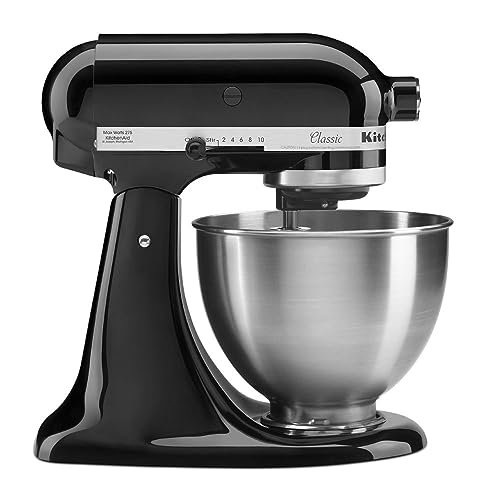
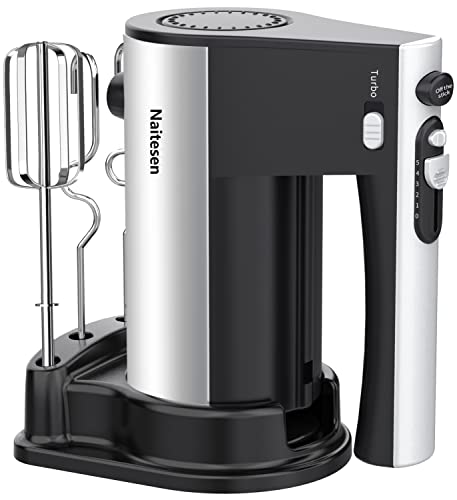
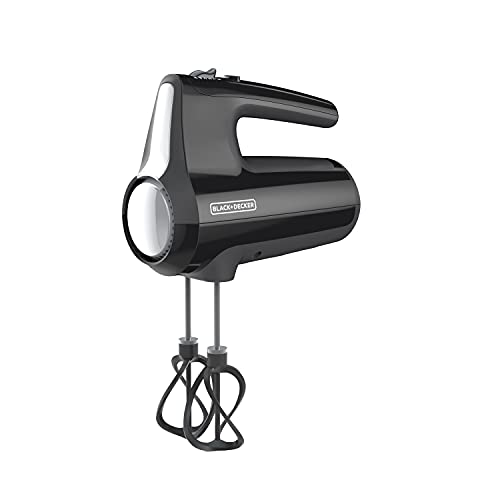
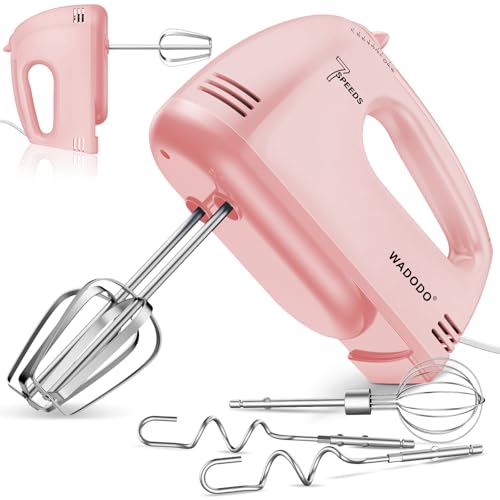
A hand mixer is a compact kitchen appliance designed to simplify the mixing process for a variety of recipes. Unlike stand mixers, which require more space and are often heavier, hand mixers are lightweight and portable, allowing us to easily whip up a batter or mix ingredients directly in the bowl. They typically come with beaters or whisk attachments, making them versatile for tasks like whipping cream, mixing cake batter, or even making dough.
Why Choose a Hand Mixer Over a Stand Mixer?
For many of us, a hand mixer is the more practical choice, especially for those with limited kitchen space or smaller cooking needs. They can quickly be stored in a drawer or cabinet. In addition, hand mixers are generally more affordable than stand mixers, making them an excellent option for beginners or occasional bakers. Their ease of use helps us avoid the hassle of transferring ingredients between bowls, allowing for a smoother cooking process.
Key Features to Look For in a Hand Mixer: Making Cooking Easier
Power and Speed Settings
When choosing a hand mixer, it’s essential to consider the motor’s power and the variety of speed settings available. A mixer with multiple speeds allows us to start mixing slowly to prevent splashes and gradually increase the speed for thorough mixing. Look for models with at least three to five speeds for maximum versatility.
Attachments and Accessories
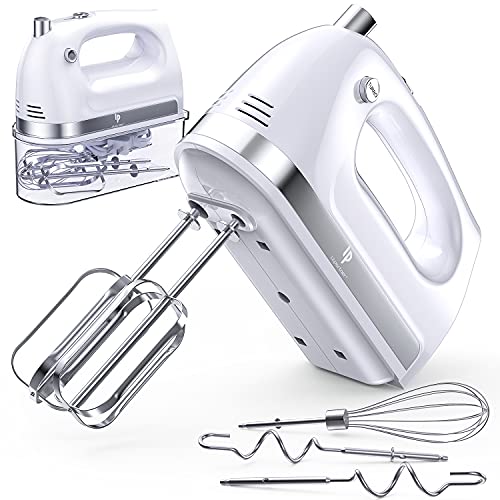
Different mixing tasks require different attachments. Standard mixers usually come with beaters, but some models include additional whisks or dough hooks. If we plan to do a lot of baking, consider investing in a hand mixer that offers a variety of attachments, as they will greatly expand our capabilities in the kitchen.
Weight and Ergonomics
The weight and design of the hand mixer are crucial for comfort during use. A mixer’s weight can influence how easy it is to handle, especially during extended mixing times. Look for a model that feels balanced in hand, with an ergonomic grip that allows us to mix comfortably without straining our wrist.
Cord Length and Design
Cord length can determine how conveniently we can use our hand mixer in the kitchen. A longer cord provides us greater flexibility when moving around the countertop. Additionally, consider looking for a mixer with a swivel cord that can rotate to stay out of our way while mixing.
Choosing the Right Hand Mixer for Your Needs: Which One Fits You Best?
Assessing Your Cooking Habits
Before shopping, think about how often we cook and what we plan to make. If our baking is occasional and limited to simple tasks, a basic model might suit us just fine. However, if we frequently bake or tackle various recipes, we should invest in a more feature-rich mixer with multiple attachments and power settings.
Size and Storage Considerations
Evaluate your kitchen’s storage capabilities. If space is tight, a compact design that fits easily in a drawer may be ideal. Some hand mixers also come with a storage case for all their attachments, which can help keep our kitchen organized and our mixer protected when not in use.
Price Versus Features
It’s important to strike a balance between what we’re willing to spend and the features we need. Set a budget, but ensure that we don’t compromise on essential features that could enhance our cooking experience. Sometimes it makes sense to invest a bit more upfront for a product that has a good reputation for durability and functionality.
Tips for Using a Hand Mixer Effectively: Getting the Most Out of Your Device
Starting Slow
When using a hand mixer, always start on a lower speed, particularly with dry ingredients. This will help prevent messes and ensure that our ingredients come together smoothly without sending flour or sugar flying.
Mixing in Intervals
For optimal results, mix in short intervals, pausing to scrape down the sides of the bowl as needed. This ensures that all ingredients are evenly incorporated and prevents clumps from forming.
Experiment with Attachments
Don’t hesitate to experiment with the different attachments. For instance, using the whisk attachment not only speeds up the whipping process but also ensures fluffy results for cream or egg whites that could make a difference in baked goods.
Cleaning and Maintenance of Your Hand Mixer: Keeping it in Top Shape
Post-Use Detaching of Attachments
After using the mixer, it’s essential to detach the beaters or whisks carefully. Most attachments can be cleaned easily under warm, soapy water, but be sure to follow any specific manufacturer instructions for maintenance.
Wiping Down the Mixer Body
The body of the hand mixer should be wiped down with a damp cloth after each use. Avoid immersing it in water, as this can damage the electrical components. Making this a regular practice keeps our device looking good and functioning well.
Regular Inspection of Attachments
Periodically check the attachments for any wear and tear. If we notice any rust or significant damage, it’s better to replace them to maintain optimal performance and hygiene in our cooking.