
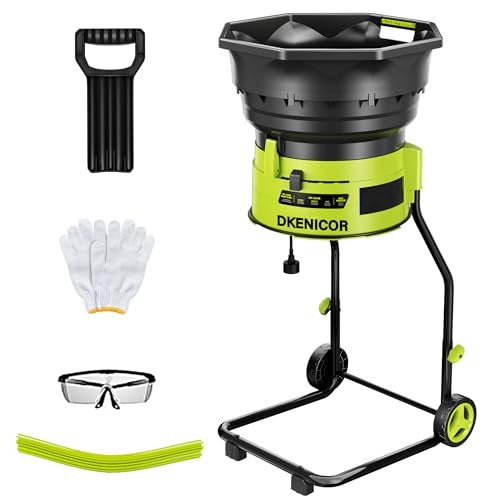


Introduction to Garden Shredders: Why You Need One
Understanding the Basics
When it comes to managing your garden waste efficiently, garden shredders can be a game changer. Imagine this: every time you prune a bush or trim branches, you’re left with piles of leaves, twigs, and branches that can clutter your outdoor space. A garden shredder helps transform this waste into manageable pieces, making it easier to compost, mulch, or dispose of. By investing in a shredder, we can turn laborious cleanup into a simple, quick task and promote a healthier garden ecosystem.
Benefits of Shredding Garden Waste
Shredding garden waste is not just about cleanup; it also introduces multiple benefits. For starters, shredded materials decompose more rapidly than whole branches or leaves, enriching your soil more effectively when composted. Furthermore, using shredded materials as mulch helps retain soil moisture and suppress weeds, leading to a healthier garden. It’s a sustainable choice that comes with the added bonus of making your gardening efforts more efficient.
Types of Garden Shredders: Finding the Right Fit for Your Needs
Electric vs. Gas Shredders
Choosing the right type of garden shredder often starts with deciding between electric and gas-powered models. Electric shredders are generally quieter, easier to maintain, and perfect for smaller gardens or modest yard cleanups. Think of them as your reliable sidekick for regular maintenance. On the other hand, gas shredders provide more power and throughput, making them ideal for larger properties or heavy-duty tasks. They can handle thicker branches and larger volumes of material, but they do require regular maintenance and can be noisier.
Hammer Mill vs. Blade Type Shredders
Next, we should consider the mechanism: hammer mill or blade type. Hammer mill shredders work by using fast-moving hammers to crush and chop the material. They excel in shredding dry materials like leaves, but may struggle with green, moist waste. Blade type shredders utilize sharp blades to cut through branches and thicker materials. This means they will do a better job with more fibrous materials, making them a suitable choice if you frequently deal with shrub pruning or thicker branches.
Key Features to Consider: Making an Informed Choice
Power and Capacity
When choosing a garden shredder, power levels measured in watts or horsepower are critical. We want to select a shredder that matches our yard needs—if we regularly handle larger branches or heavy-duty tasks, opt for a model with higher power. Additionally, take note of the shredder’s capacity—how much material it can process at once. A larger feeding chute will allow us to shred more at a time, saving us from constantly stopping to reload.
Portability and Design
Don’t forget to think about portability and design. Some shredders come with wheels or lightweight frames for easy maneuverability around the garden. If space is tight, consider a model that’s compact and easy to store. Also, ergonomic designs can make the usage more comfortable, reducing fatigue during those longer jobs.
How to Use a Garden Shredder Effectively
Preparing Your Materials
To get the most effective use from our garden shredder, preparation is key. Begin by gathering all the materials we want to shred, and remove any non-shreddable items like rocks or metals. For clippings, let them dry a bit so they shred more easily. If we’re dealing with larger branches, make sure they fit within the shredding capacity; trimming them down can help avoid jams.
Shredding Process Tips
When it’s time to start shredding, we should feed the materials into the machine steadily without forcing them. Most shredders offer guidance on how much material can be safely added at one time—following these guidelines ensures optimal performance and safety. If we notice the machine slowing down, it indicates that it’s time to clear some of the material or that we need to prepare it better.
Maintenance Tips for Longevity and Performance
Regular Cleaning and Inspection
Maintaining our garden shredder is crucial for its longevity and performance. After each use, we should clean out all the debris from the machine—residue can hinder its efficiency and lead to wear and tear. Regularly inspecting the blades or hammers for signs of damage or dullness also ensures our shredder remains effective. Sharp components perform better and make our shredding tasks easier.
Storage Considerations
When the gardening season winds down, proper storage becomes essential. Store the shredder in a dry, sheltered area to prevent rust and damage from the elements. If the shredder is electric, safeguarding its cord from frays and tangles is also important. Additionally, consider applying lubricants on moving parts as advised in the user manual to keep everything running smoothly for the next gardening season.