





Understanding Gaming Monitors: What You Need to Know Before You Buy
The Importance of a Good Monitor
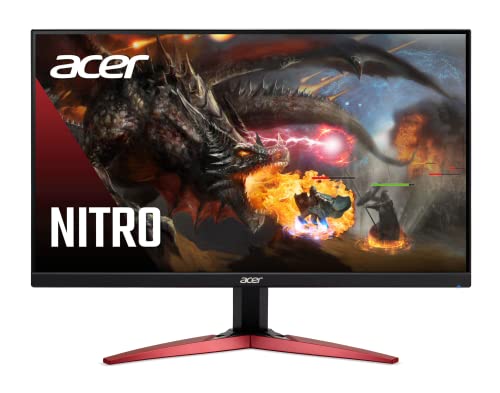
When it comes to gaming, the monitor is your window into the virtual world. A high-quality gaming monitor can enhance your experience by providing crisp visuals, smooth movements, and accurate colors. Understanding what differentiates gaming monitors from standard ones is crucial, as it can significantly impact your gameplay and enjoyment.
What Makes a Monitor “Gaming”?
Gaming monitors are designed specifically to cater to the needs of gamers. They usually feature faster response times, higher refresh rates, and better color accuracy than regular monitors. This means less blurring during fast-moving scenes and an overall more immersive experience. By knowing these differences, we can better appreciate the investment in a gaming-specific monitor.
Key Features to Look For: Refresh Rate, Resolution, and Panel Type Explained
Understanding Refresh Rate
A monitor’s refresh rate, measured in Hertz (Hz), indicates how many times per second the image on the screen is updated. A higher refresh rate, such as 144Hz, results in smoother gameplay, especially in fast-paced games. If we enjoy first-person shooters or racing games, investing in a monitor with at least a 144Hz refresh rate can be a game-changer.
Resolution Matters
Resolution refers to the number of pixels displayed on the screen, with higher resolutions offering clearer and more detailed images. Common resolutions include 1080p, 1440p, and 4K. For gamers focused on detail and clarity, a monitor with at least 1440p resolution is advisable, providing a striking balance of performance and visual fidelity.
Types of Panels: IPS vs. TN vs. VA
The type of panel used in the monitor affects color accuracy, viewing angles, and response times. IPS panels are known for their vibrant colors and wide viewing angles but can be slower. TN panels offer faster response times but may lack color vibrancy. VA panels typically provide better contrast but trade-off in response time. Understanding these differences can help us choose a monitor that best fits our gaming preferences.
Choosing the Right Size: How Monitor Size Affects Your Gaming Experience
Finding Your Ideal Size
Monitor size is often measured diagonally, typically ranging from 24 inches to 32 inches or more for gaming. A larger screen can create a more immersive experience, making it easier to see fine details during gameplay. However, the size should also match our desk space and viewing distance. As a general guideline, a 27-inch monitor is a popular choice for many gamers, balancing size with clarity.
Screen Curvature: Does it Matter?
Curved monitors can offer an engaging viewing experience by providing a wider field of view and immersing us in the game. Whether a curved screen is a necessity can depend on personal preference and how much we value that immersive feeling during gameplay.
Budgeting for Your Gaming Monitor: Finding Value Without Compromise
Understanding Your Budget
Setting a realistic budget is vital when choosing a gaming monitor. We should determine how much we are willing to spend while considering the features that matter most to us, such as refresh rate and resolution. Monitors can vary widely in price, so knowing our priorities helps ensure we receive the best value for our investment.
How to Spot Good Deals
Monitoring sales, bundles, or discounts can also enhance our purchasing power. Sometimes, spending a bit more can offer significant improvements in performance and longevity. Balancing our immediate needs with potential long-term satisfaction is crucial when budgeting for a gaming monitor.
Setting Up Your Gaming Monitor: Tips for Optimal Performance
Ideal Placement and Setup
Once we have our gaming monitor, proper setup is crucial for the best performance. Position the monitor at eye level and approximately an arm’s length away to reduce eye strain and enhance comfort. Adjusting the brightness and color settings also plays a role in how enjoyable our gaming experience will be.
Utilizing the Right Cables
Using the correct cables is essential for achieving optimal performance. High-quality HDMI or DisplayPort cables can significantly enhance image quality and refresh rates. We should always check that our cables are capable of supporting the monitor’s specifications to avoid any performance issues.