



Understanding the Fridge-Freezer: A Complete Overview
The Basics of Fridge-Freezers
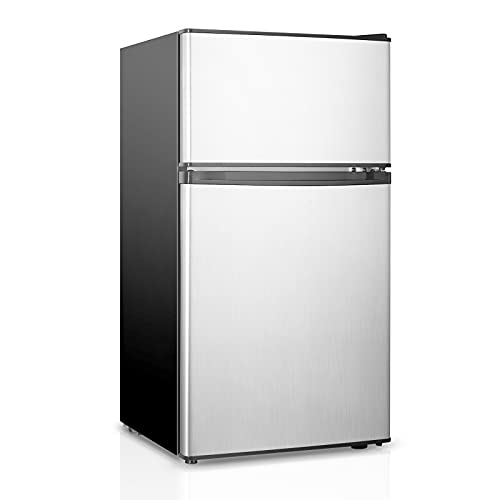
Fridge-freezers combine two essential kitchen appliances into one unit, allowing us to store both fresh and frozen food efficiently. Typically, these appliances feature a refrigerator compartment on top for fresh groceries and a freezer section below or vice versa. Understanding how these units function can help us appreciate their importance in our daily lives. The refrigerator section keeps our food at a temperature that slows bacteria growth, while the freezer keeps our food at temperatures that can halt bacterial activity entirely. This dual functionality saves space and can make meal preparation more convenient.
How Fridge-Freezers Work
In simple terms, fridge-freezers operate using a refrigeration cycle that involves refrigerants, compressors, and condensers. As the refrigerant absorbs heat from the interior of the fridge, it cools the air inside. The cooled air then circulates to keep our food fresh, while the compressor compresses the refrigerant, allowing it to release the heat collected outside the unit. This cycle is continuous, which maintains a consistent temperature for optimal food storage.
Types of Fridge-Freezers: Which One is Right for Us?
Top Freezer vs. Bottom Freezer
These are the most common layouts we’ll encounter. Top freezer fridge-freezers have the fridge compartment above the freezer, which is great for quickly accessing fresh produce. On the other hand, bottom freezers provide easier access to frozen goods since they are placed below eye level, making it convenient when loading and unloading items.
Side-by-Side Fridge-Freezers
This style features two vertical compartments, with the refrigerator on one side and the freezer on the other. This design is helpful for narrow kitchens or limited spaces because it allows us to open both doors without taking up much room. Side-by-side units often come with features such as ice and water dispensers right in the door.
French Door Fridge-Freezers
French door models are popular among families for their spaciousness and accessibility. These typically have two doors for the refrigerator section and a bottom drawer for the freezer. This arrangement maximizes space while providing easy access to items. They often come equipped with advanced features like temperature-controlled drawers or smart technology for efficiency.
Key Features to Consider When Buying a Fridge-Freezer
Capacity Matters
Before we choose a fridge-freezer, we should think about our needs in terms of storage capacity. Cramped kitchens may require compact units, while larger families may need more space for groceries. The capacity of fridge-freezers is usually measured in cubic feet; for a household of four, a model with 18 to 25 cubic feet typically works well.
Temperature Control and Settings
Having precise temperature control is essential. Many modern fridge-freezers come with adjustable temperature settings for various compartments, allowing us to create distinct environments for different types of food. Look for models with digital controls that enable easy adjustments.
Ice and Water Dispensers
If convenience is essential, we might consider fridge-freezers with built-in ice and water dispensers. These features save us the hassle of filling ice trays and ensure easy access to cold water. When selecting a model with these features, ensure the water filter is replaceable and easy to access.
Space and Layout: Finding the Perfect Fit for Our Kitchen
Measuring Our Space
To avoid frustration at installation, we should measure the area where we intend to place the fridge-freezer. It’s vital to consider not only the dimensions of the unit but also the space needed for the doors to swing open without obstruction. Additionally, ensure there’s ample ventilation space around the unit to improve efficiency.
Kitchen Layout Considerations
The layout of our kitchen plays a significant role in determining the type of fridge-freezer we choose. For U-shaped kitchens, a side-by-side unit may flow well, while French door models fit seamlessly in more spacious and open areas. Considering the locations of other appliances and traffic patterns can help us decide the best position for our new fridge-freezer.
Energy Efficiency: Choosing an Eco-Friendly Fridge-Freezer
Understanding Energy Ratings
Many fridge-freezers come with energy ratings that indicate their efficiency. These ratings can help save on utility bills and reduce our environmental impact. When we compare models, looking for those with higher ratings—like ENERGY STAR certification—can be a key factor in our decision.
Cost of Energy-Efficient Models
While energy-efficient fridge-freezers may have higher initial prices, they often provide savings over time through reduced energy consumption. Assessing the long-term costs associated with operating a less efficient model versus the upfront cost of an energy-efficient appliance is crucial; this analysis highlights that the savings from lower utility bills may justify the initial investment.