




Understanding Different Types of Dryers: Which One Fits Your Needs?
Exploring Dryer Types: The Basics
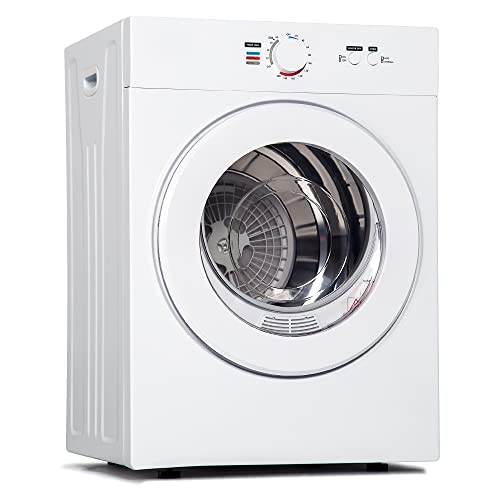
When we think about dryers, we often picture a large machine spinning clothes dry; however, there are several types of dryers that cater to different needs. The most common types include vented dryers, condenser dryers, and heat pump dryers. Vented dryers are the traditional option that circulates hot air in the drum, allowing moisture to escape through a vent to the outside. This type is generally faster and usually more affordable upfront. Condenser dryers, on the other hand, collect moisture in a container rather than venting it outdoors, making them a good choice for spaces without proper venting. Finally, heat pump dryers use innovative technology to recycle heat and reduce energy consumption. They take longer to dry clothes but are more efficient in the long run.
Choosing Based on Your Laundry Needs
Understanding how often you do laundry and the volume of clothes you typically handle can significantly influence your choice. If you have a large family or frequently wash bulky items, a vented dryer might be best due to its quick drying capabilities. For smaller households, especially those living in apartments, a condenser dryer is an excellent choice since it eliminates the need for external venting. For those prioritizing energy efficiency and long-term savings, investing in a heat pump dryer could be the ideal route.
Key Features to Look for When Buying a Dryer: A Quick Guide
Capacity Matters: Choose What Suits You
Dryer capacity is measured in cubic feet, and this determines how much laundry you can dry in a single load. If we typically wash oversized blankets or large loads of laundry, a dryer with a higher capacity—around 7.5 cubic feet or more—will save you time and energy. On the other hand, smaller households might find that a capacity of 5.0 cubic feet is entirely adequate.
Drying Programs and Options to Consider
When evaluating dryers, take note of the different drying programs available. Most modern dryers come equipped with various settings, including options for delicate fabrics, timed drying, and sensor drying, which detects moisture levels and adjusts drying time accordingly. This not only helps prevent fabric damage but also ensures every load is dried optimally.
Look for Additional Features for Convenience
Additional features can greatly enhance your drying experience. Some dryers offer steam cycles to help reduce wrinkles, while others might have a dry-at-night option that operates quietly and won’t disturb your household. A user-friendly digital display and intuitive controls can save you time figuring out settings and preferences.
Energy Efficiency and Costs: Saving Money with the Right Dryer
Understanding Energy Ratings
When shopping for a dryer, consider the energy efficiency ratings. A higher rating indicates a more energy-efficient machine, which can lead to savings on your utility bill over time. Even though energy-efficient dryers may have a higher upfront cost, they can often save you money in the long run due to reduced energy usage.
Calculating Long-Term Costs
Look beyond just the purchase price when assessing a dryer’s affordability. Calculate potential energy costs by checking its energy usage per cycle. If you frequently use your dryer, investing in a more energy-efficient model can pay off significantly over the years due to lower energy bills, making every load more economical.
How to Maintain Your Dryer for Longevity and Performance
Regular Cleaning is Key
To ensure your dryer runs smoothly, one of the best practices is regular cleaning. This includes removing lint from the lint trap after every use and periodically cleaning the vent hose. A buildup of lint can not only slow down drying times but can also pose a fire hazard. Regularly check and clean the dryer’s exterior and interior components to keep everything functioning well.
Professional Inspections for Optimal Safety
Consider scheduling professional maintenance every couple of years. Technicians will help inspect and clean internal components, ensuring the appliance operates efficiently and safely. This proactive step can extend the lifespan of your dryer and prevent unexpected breakdowns.
Tips for Easy and Effective Dryer Usage: Getting the Best Results
Sorting Laundry for Best Results
Always sort your laundry not only by color but also by fabric type. Heavier fabrics like towels should be dried separately from lighter fabrics to ensure everything dries evenly and to prevent overloading the dryer. This simple step can improve drying efficiency and extend the life of your clothes.
Load Size: Finding the Right Balance
Avoid overloading the dryer, which can prevent clothes from tumbling freely and result in damp laundry at the end of the cycle. Ideally, fill the dryer about three-quarters full for optimal drying performance. This balance allows the hot air to circulate effectively, ensuring thorough drying every time.