





Understanding Drones: What They Are and How They Work
What is a Drone?
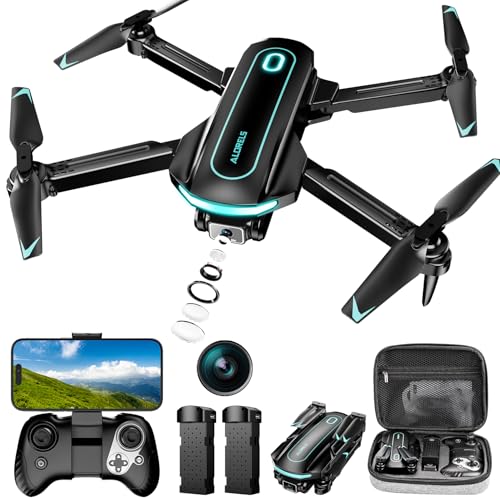
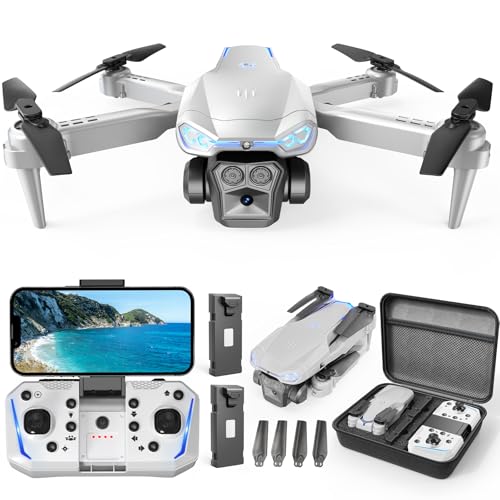
Drones, also known as unmanned aerial vehicles (UAVs), are aircraft that operate without a human pilot on board. They can be controlled remotely or fly autonomously based on pre-programmed flight plans or onboard sensors. Imagine a small flying robot that can take photos from high above or deliver packages within your neighborhood. Most drones come equipped with cameras, sensors, and GPS technology, making them versatile tools for photography, videography, surveying, and even recreational fun.
How Drones Operate
The operation of a drone involves several key components: the drone itself, the remote controller, and sometimes, a smartphone app. When we pilot a drone, we send commands from the remote controller, which communicate with the drone via radio waves. This allows us to navigate, take pictures, or perform stunts in the air. The technology onboard the drone aids in stabilizing its flight, which is crucial, especially for capturing clear images or videos.
Choosing the Right Drone for Your Needs: Key Features to Consider
Defining Your Purpose
Before settling on a drone, we need to consider what we’ll use it for. Do we want to take stunning aerial photographs, race through obstacle courses, or simply enjoy flying? Different purposes dictate specific features. For instance, if aerial photography is our aim, a drone with a high-quality camera and gimbal for stability is essential.
Camera Quality and Stabilization
For anyone interested in photography or videography, camera specifications are crucial. Look for drones that offer at least 1080p video resolution and optical image stabilization (OIS). These features ensure our shots are smooth and clear, whether we’re capturing sunsets or family gatherings from the sky.
Flight Time and Range
Another important feature is the drone’s flight time and operational range. Most commercial drones have a flight time ranging from 20 to 30 minutes on a single charge, but more sophisticated models can go longer. Additionally, consider how far we can fly the drone from the controller. A good range is between 300 to 500 meters for casual use.
Ease of Use and Training Features
If we’re new to flying drones, ease of use becomes a significant factor. Some models offer beginner modes, which restrict altitude and speed to help us learn the basics. Features like automatic takeoff and landing can also simplify our initial experience.
Top Drone Models for Beginners: Our Recommendations
User-Friendly Options
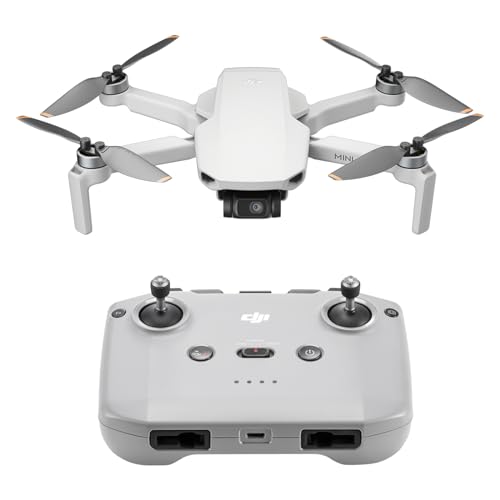
For those just starting, we highly recommend the DJI Mini SE. It’s lightweight, easy to carry, and offers impressive flight time with a solid camera. The built-in safety features and intuitive controls make it an excellent starting point. Another great choice is the Holy Stone HS720, which comes with GPS, a 4K camera, and a simple user interface, ensuring we can learn to fly without overwhelming challenges.
Affordability and Performance
If budget is a concern, the Potensic D80 is a reliable choice. It provides decent video quality and is equipped with an adjustable camera. This model is particularly great for learning since it has beginner-friendly features without breaking the bank.
Advanced Drones for Enthusiasts: Features That Make a Difference
Professional Photography Considerations
For enthusiasts looking to take their photography to the next level, the DJI Mavic Air 2 is a standout. This drone offers a robust camera setup with 4K video capabilities and a smart photography mode that automates complex shots. The longer flight time and enhanced obstacle avoidance systems are crucial for serious aerial photographers.
Racing and Speed Features
For those interested in drone racing, look into models like the Eachine Wizard X220. These drones are built for speed and agility, often featuring FPV (first-person view) systems, giving us real-time video of what the drone sees. Training with these drones can be exhilarating but requires a bit of practice to master maneuvering at swift speeds.
Essential Accessories for Your Drone Experience
Batteries and Charging Equipment
To extend our flight time, having extra batteries is a smart investment. Most drones come with one battery, but buying additional ones can significantly enhance our flying experience, avoiding downtime. Additionally, consider a multi-charger to power up multiple batteries simultaneously.
Carrying Cases and Protection Gear
Transporting our drone safely is essential. A padded carrying case protects against bumps and falls. Also, investing in propeller guards can help minimize damage during early flights, especially when we’re still mastering the controls.
Spare Parts and Maintenance
Finally, keeping spare parts on hand, such as propellers and motors, can help us maintain our drones in top shape. Regular maintenance not only prolongs the drone’s life but also ensures its reliability during use.