

Understanding the Benefits of Owning a Dishwasher
Time-Saving Convenience
Owning a dishwasher can dramatically cut the time we spend on kitchen chores. Imagine preparing a family meal and not having to linger over the messy cleanup afterward. Instead of washing and drying dishes by hand, we can simply load them into the dishwasher, press a button, and move on to enjoying our meal or relaxing with family and friends.
Consistent Cleanliness
Dishwashers typically provide a level of cleanliness that hand washing may not match. The combination of high temperatures and specialized washing cycles means that our dishes, pots, and pans get cleaner, reducing any risk of foodborne illnesses. We can feel confident that our kitchenware is hygienic and ready for use.
Water Conservation
Many people do not realize that dishwashers can actually use less water than hand washing when they are fully loaded. By using a dishwasher, we not only efficiently clean our dishes but also contribute to water conservation, making it an environmentally friendly choice.
Less Physical Strain
Engaging in the routine of washing dishes by hand can be physically tiring and may lead to discomfort. With a dishwasher, we reduce strain on our hands and backs, enjoying the convenience of simply loading and unloading with minimal effort.
Enhanced Kitchen Aesthetics
Having a dishwasher can also improve the visual appeal of our kitchens. Instead of cluttering counters and sinks with dirty dishes and utensils, we can maintain a clean, organized space, fostering an inviting atmosphere in our homes.
Key Features to Look For When Selecting a Dishwasher
Washing Programs and Cycles
When selecting a dishwasher, we should pay close attention to the variety of washing programs available. Different cycles cater to specific needs, such as energy-saving modes, intensive pots and pans settings, and quick washes for lightly soiled items. This versatility allows us to choose the perfect wash for each load.
Noise Levels
Consider the noise level of a dishwasher, especially if our kitchen is an open area or next to living spaces. Many modern dishwashers advertise their noise ratings in decibels (dB); we might prefer models with ratings below 50 dB for minimal disruption.
Size and Capacity
The capacity of a dishwasher can be crucial for a household’s needs. Assess the layout of our kitchen and counter space, ensuring that the chosen unit fits seamlessly while offering sufficient racks and compartments for our dishware.
Smart Features and Connectivity
In today’s tech-driven world, many dishwashers come equipped with smart features that allow us to monitor the wash cycle from our smartphones or adjust settings remotely. These conveniences enhance the user experience, making it easier to incorporate a dishwasher into our daily routine.
Interior Design and Rack Adjustability
An intuitively designed interior can make loading and unloading easy and efficient. Look for adjustable racks and flexible layouts that accommodate various dish shapes and sizes, allowing us to maximize the dishwasher’s capacity.
How to Choose the Right Size and Style for Your Kitchen
Assess Kitchen Layout
Before purchasing a dishwasher, we should carefully assess our kitchen layout to determine the available space. Measure the area designated for the appliance, allowing space for ventilation and door clearance to ensure it opens freely.
Dishwasher Types
There are several types of dishwashers to consider. Built-in models are common and typically blend seamlessly into cabinetry. Portable dishwashers provide flexibility for those with limited space and can be moved when not in use. Compact models are ideal for small apartments, while drawer dishwashers offer an innovative design for those who prefer a unique placement.
Finish and Style
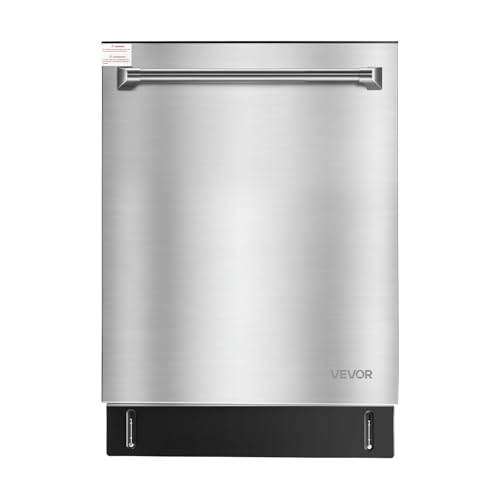
The aesthetic finish of the dishwasher can influence the kitchen’s overall design. Stainless steel finishes are popular for their sleek, modern look and durability, while black or white options may suit more traditional kitchens. We should choose a style that complements our existing kitchen theme.
Door Options
When considering a dishwasher, take note of the door type – standard pull-down doors or the sleek, integrated panel models that blend with cabinetry. Integrated panels can offer a streamlined appearance, while traditional doors may be easier for loading and unloading.
Understanding Energy Efficiency and Water Usage in Dishwashers
Energy Star Ratings
Energy efficiency is essential when selecting a dishwasher. Many models are labeled with energy efficiency ratings, often indicating how much energy they consume compared to similar products. Choosing an energy-efficient dishwasher can lead to long-term savings on electricity and water bills.
Water Consumption Metrics
Water efficiency is another consideration. Modern dishwashers often use significantly less water than hand washing, particularly when fully loaded. Understanding the water consumption metrics of a model helps us evaluate its long-term impact on our utility bills and the environment.
Eco-Friendly Modes
Some dishwashers come with specific eco-friendly washing modes that optimize both water and energy usage. These settings are designed for light loads or less soiled dishes, ensuring we can maintain a lower environmental footprint.
Simple Maintenance Tips to Keep Your Dishwasher Working Efficiently
Regular Cleaning
To keep our dishwasher performing at its best, it’s important to clean it regularly. This includes removing food debris from the filter, wiping down the door seals, and running a cleaning cycle with a dishwasher cleaner every few months.
Check and Maintain Sprayer Arms
Ensure that the sprayer arms are free from blockages. If we notice that dishes are not coming out clean, a closer look at the sprayer arms can help. Removing them for a quick rinse can improve washing performance.
Monitor the Drainage System
Keeping an eye on the drainage system is essential for effective operation. If we experience standing water at the bottom of the dishwasher after a cycle, we should check for clogs in the drain hose or filter.
Inspect the Door Seals
Regularly inspect the door seals for any cracks or debris. A tight door seal is vital for maintaining energy efficiency and ensuring that the dishwasher operates effectively without leaking.