






Understanding the Basics: What is a Digital Piano?
Defining a Digital Piano
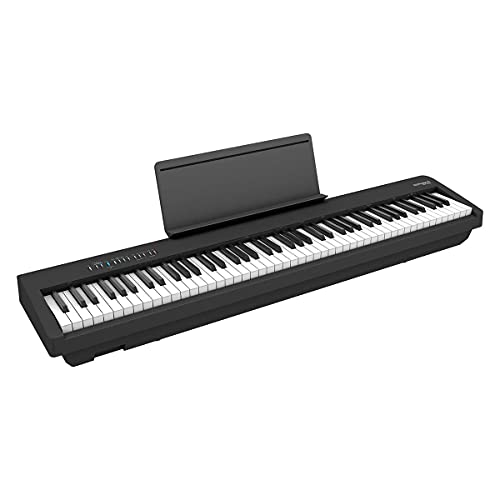
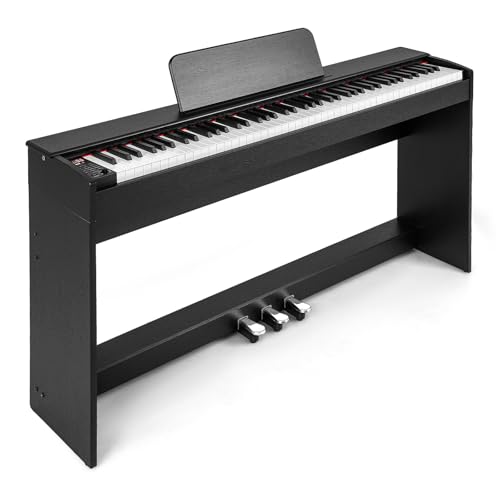
A digital piano is an electronic musical instrument designed to replicate the sound and feel of an acoustic piano. Instead of strings and hammers, it uses digital samples to produce sound when you press the keys. This means you can enjoy the familiar piano experience without the maintenance and tuning required for a traditional piano. Imagine practicing late at night or playing in a small apartment; a digital piano typically includes features like volume control and headphone output, allowing you to play without disturbing others.
Why Choose a Digital Piano?
Digital pianos come with various advantages, such as portability, built-in sounds, and recording options. They are generally lighter and easier to move than acoustic pianos, making them ideal for musicians who travel or have limited space. Most models also offer a variety of voices, allowing you to switch from piano to organ to strings at the touch of a button. This versatility makes digital pianos appealing for both beginners who are just starting and experienced players looking for extra features.
Key Features to Consider: Finding the Right Fit for You
Sound Quality and Key Action
When choosing a digital piano, pay close attention to sound quality and key action. Higher-end models often feature weighted keys that simulate the feel of an acoustic piano, which is crucial for developing proper finger technique. Sound quality can vary significantly; look for models that use high-quality sampling techniques to produce rich, nuanced tones. It’s beneficial to try out different models to see which sound resonates with you.
Connectivity and Additional Features
Consider how you plan to use your digital piano. Features like USB connectivity allow you to connect to computers or tablets for music production, while MIDI compatibility lets you control other devices. Built-in metronomes, recording capabilities, and voice settings are all practical features that can enhance your play. If you’re interested in learning, some models come with built-in learning tools, making practice more engaging and effective.
Comparison of Popular Digital Piano Brands: Which One Meets Your Needs?
Yamaha: Quality and Variety
Yamaha is known for its reliable instruments, offering a wide range of digital pianos suitable for all skill levels. Their models provide excellent sound quality and user-friendly interfaces. If you’re looking for a well-rounded instrument for practice and performance, Yamaha pianos are a great choice.
Roland: Advanced Technology and Authentic Feel
Roland pianos are renowned for their innovative technology and premium sound engines. They focus on creating a realistic piano experience and often feature enhanced key action. If you’re a serious musician or a performing artist, Roland’s advanced features may be worth considering.
Korg: Creative Features and Affordability
Korg offers a balance of creativity and affordability, especially known for their versatile sounds and built-in rhythms. If you enjoy composing and using a variety of soundscapes in your music, Korg pianos provide unique features that can inspire your creativity without breaking the bank.
Budgeting for Your Digital Piano: What Should You Expect to Spend?
Entry-Level Models
If you’re just starting, you can find quality digital pianos in the $300 to $600 range. These models typically have basic features and sound quality suitable for beginners. They are a great choice for students who want to practice at home without significant investment.
Mid-Range to Professional Models
For those with a bit more experience or specific needs, mid-range models vary from $600 to $1,500. At this price point, you’ll find pianos with better sound quality, weighted keys, and additional features like recording and connectivity.
High-End Options
If you’re looking for a professional instrument with all the bells and whistles, expect to spend $1,500 and upwards. High-end models often feature premium sound engines, advanced key actions, and extensive sound libraries. These are designed for musicians who want the best performance and sound quality.
Tips for Getting the Most Out of Your Digital Piano: Enhance Your Playing Experience
Regular Practice and Technique Development
To truly benefit from your digital piano, establish a consistent practice routine. Use built-in metronomes to develop your timing and play scales or exercises to improve your finger strength and agility. Regular practice ensures you get the most from your investment and improves your skills.
Explore Learning Resources
Take advantage of the digital resources available to you, such as apps, online tutorials, and lesson programs that can complement your practice. Many digital pianos come with educational features that can guide you through exercises and songs, making learning fun and interactive.
Experiment with Different Sounds and Settings
Don’t hesitate to explore the various sound options and settings on your digital piano. Play around with different voices and rhythms to keep your practice interesting. This not only enhances your playing experience but also helps you discover your musical style and preferences.