







What is a Dehydrator and How Does it Work? Discover the Basics of Food Dehydration
Understanding Food Dehydration
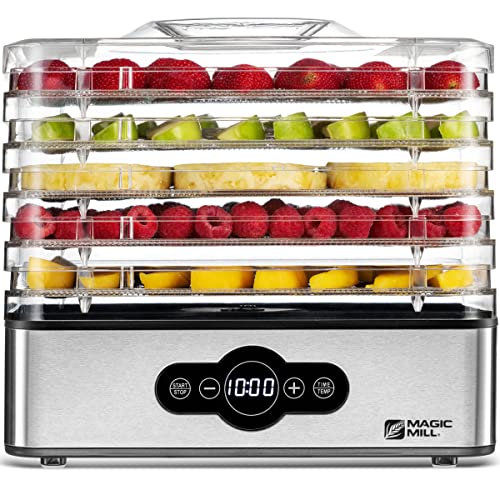
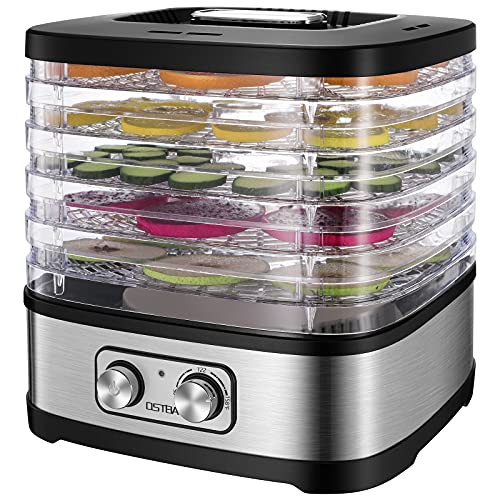
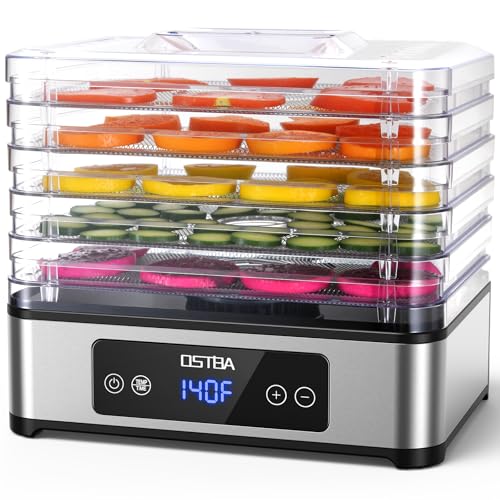
A dehydrator is a kitchen appliance designed to remove moisture from food, allowing it to become shelf-stable. Think of it as a mini-oven that works at low temperatures to efficiently shrink food while preserving nutrients. The process itself is straightforward: food items, such as fruits, vegetables, or meats, are evenly spread across drying trays within the dehydrator. Warm, dry air circulates around the food, evaporating moisture and concentrating flavors. This simple method of preservation has been used for centuries and is a fantastic way to extend the lifespan of your produce.
Benefits of Using a Dehydrator: Why You Should Consider One for Your Kitchen
Preserving Freshness and Flavor
One of the standout benefits of using a dehydrator is its ability to lock in the nutrients and flavors of fresh food. Imagine enjoying the taste of sun-dried tomatoes or chewy apple slices any time of year. Dehydrated foods are not only delicious but also retain a lot of their vitamins and minerals, making them a healthy snack option.
Cost-effective and Environmentally Friendly
Investing in a dehydrator can actually save you money over time. By converting excess fruits and vegetables into long-lasting snacks or meal ingredients, we reduce food waste and make the most of seasonal produce. It’s a sustainable choice that benefits your wallet and the environment.
Convenience and Easy Storage
Dehydrated foods are lightweight and compact, making them easy to store and ideal for camping or road trips. They require no refrigeration and can be enjoyed during travel or used in emergency supplies. Imagine packing a backpack with lightweight, nutritious snacks that need no preparation!
Choosing the Right Dehydrator: Key Features to Look For
Size and Capacity
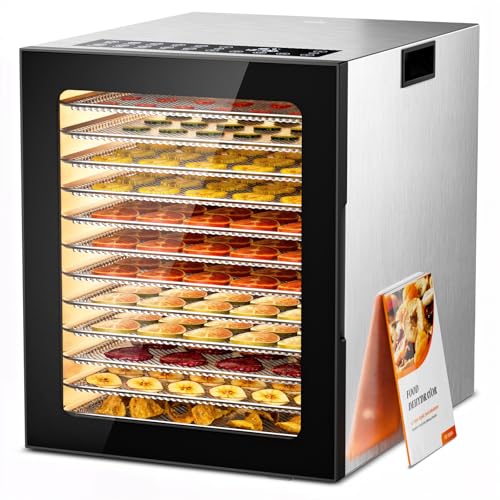
When selecting a dehydrator, consider how much food you plan to process at once. For a large family, a model with multiple trays and a larger capacity will be suitable. On the other hand, if you only plan to dehydrate small batches, a smaller unit will save space and energy.
Temperature Control
Look for a dehydrator with adjustable temperature settings. Different foods require different temperatures for optimal dehydration, so having precise controls allows us to achieve the best results. A unit that offers a range from 95°F to 160°F is versatile enough to handle fruits, vegetables, and jerky.
Airflow and Fan Quality
Adequate airflow is key to uniform drying. Choose a dehydrator with a fan that circulates air effectively across all trays. This ensures even drying and prevents moisture pockets that can lead to spoilage. Consider looking for models with horizontal airflow rather than vertical, as they tend to distribute heat more evenly.
Top Dehydrator Brands and Models: Our Recommendations for Every Budget
Budget Options
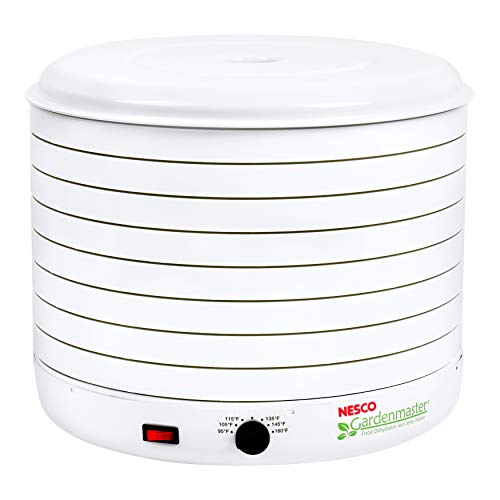
If you’re new to dehydrating and looking to start small, we recommend models from brands like Nesco and Snackmaster. They offer user-friendly options that won’t break the bank while still delivering decent performance.
Mid-range Picks
For a step up in features and efficiency, Excalibur dehydrators come highly rated. They provide multiple trays and excellent airflow technology, perfect for those who want to make frequent use of their dehydrator.
High-end Choices
If we’re looking for advanced capabilities and durability, consider the Tribest Sedona model. It features digital controls, a sleek design, and more trays than most home models, making it a perfect choice for serious enthusiasts.
Tips for Using Your Dehydrator: Get the Best Results Every Time
Proper Preparation
Before placing food in the dehydrator, ensure it is washed and sliced uniformly to promote even drying. For fruits, consider dipping them in lemon juice to maintain color and flavor.
Spacing and Layering
To maximize airflow, avoid overcrowding the trays. Leave space between pieces, and layer items according to drying times; for example, dense items like bananas may need to be placed on different trays than lighter, less moist foods like herbs.
Storage Tips
Once your food is dehydrated, allow it to cool before packing it into airtight containers. Store them in a cool, dark place to maintain their quality over time. Remember, properly stored dehydrated goods can last for months, making meal prep convenient and effective.