






What is a Cordless Leaf Blower and Why Do You Need One?
Understanding Cordless Leaf Blowers
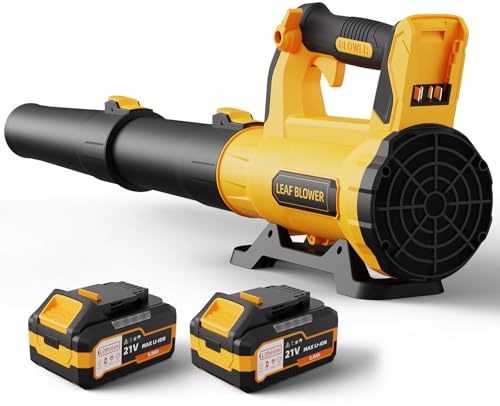
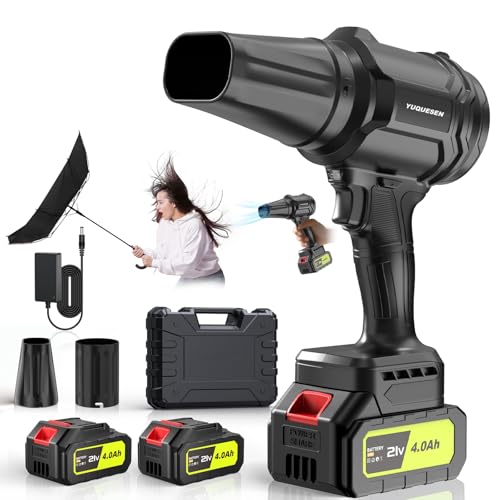
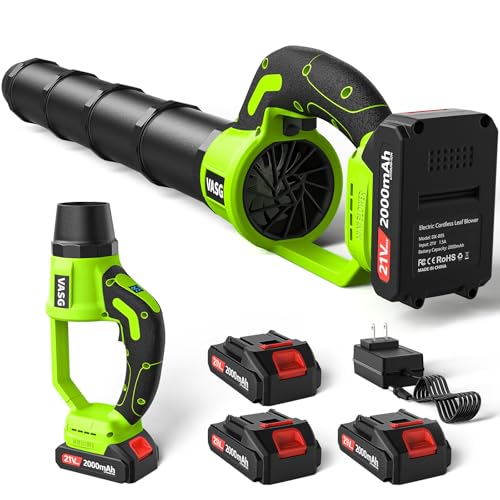
A cordless leaf blower is a gardening tool designed to move leaves, debris, and grass clippings efficiently without the hassle of cords. Imagine being able to tidy up your yard or driveway without worrying about tangled wires or finding a nearby outlet. These tools are powered by rechargeable batteries, giving you the freedom to work wherever you need without being tethered to a power source. They are particularly useful for homeowners with large yards, as they simplify the cleanup process following lawn maintenance or seasonal shedding of leaves.
The Benefits of Going Cordless
Choosing a cordless leaf blower provides several advantages. First, they are generally lightweight and easy to maneuver, making outdoor cleanup tasks less labor-intensive. With no cords to trip over, you can navigate around flower beds, garden furniture, and other obstacles more freely. Furthermore, cordless blowers produce minimal noise compared to gas-powered models, allowing you to maintain a peaceful environment while you work. This makes them ideal for neighborhoods where noise regulations might be a concern. Lastly, the maintenance requirements are lower than their gas counterparts, as you won’t need to worry about oil changes or fuel mixing.
Key Features to Consider When Choosing a Cordless Leaf Blower
Power and Air Volume
When evaluating cordless leaf blowers, it’s crucial to look at their power rating, often measured in volts. Higher voltage typically means more power and longer battery life. Coupled with this, the air volume – measured in cubic feet per minute (CFM) – indicates how much air the blower can move in a minute. For basic tasks like clearing leaves from sidewalks, a blower with a CFM of around 250-400 is usually sufficient. For bigger yard projects, consider a model that delivers 400 CFM and above to ensure efficient cleanup.
Run Time and Battery Life
Battery life is another significant factor when choosing a cordless leaf blower. Most models will give you a run time between 15 to 60 minutes on a single charge, depending on the power settings and the type of work you’re doing. If your yard is larger or you plan to use the blower for extensive cleaning sessions, look for a model that offers swap-out batteries, allowing you to switch batteries without pausing your work.
Weight and Design
The weight and design of the leaf blower also impact your experience. Lightweight models, ideally under 10 pounds, are easier on your arms and back, particularly for extended use. Additionally, ergonomically designed handles will offer better grip and control, minimizing fatigue. Always consider how the blower will feel during actual use, and if possible, try it out in-store to gauge ergonomics and balance.
How to Choose the Right Battery and Charger for Your Leaf Blower
Battery Specifications
Not all batteries are created equal. When selecting a cordless leaf blower, pay attention to the capacity of the battery, typically measured in amp-hours (Ah). A higher amp-hour rating means the battery can store more energy, thus extending the runtime before needing a recharge. Aim for batteries with at least 2.0 Ah for moderate use, while heavier users may prefer batteries rated 4.0 Ah or higher.
Charger Compatibility
Make sure to consider the charger that comes with or is compatible with your selected leaf blower. Faster chargers can fully recharge batteries in a matter of hours, while slower chargers will take longer. Opt for a charger that matches the battery’s specifications to ensure efficiency and safety. Some advanced models offer smart charging technology that monitors battery health and optimizes charging cycles.
Tips for Using Your Cordless Leaf Blower Effectively
Optimal Technique
To use your cordless leaf blower effectively, start by positioning yourself at one edge of the area you wish to clear. Sweep the blower in a steady motion from side to side, gradually working through the debris. This avoids the need to go back and forth repeatedly, making your cleanup faster and more efficient. For gathering leaves, aim for piles at the end of your cleaning path to make collection easier.
Adjusting Settings for Performance
Many cordless leaf blowers come with multiple speed settings. Use lower settings for light-duty tasks like clearing grass clippings or light debris. For heavier leaves or more stubborn debris, increase the power to maximize airflow. This keeps your battery usage efficient as you won’t drain it on lower intensity tasks when a lighter speed setting can suffice.
Top Cordless Leaf Blowers on the Market Right Now
Features to Look For
While we don’t promote specific brands or models, we can highlight common features that define top cordless leaf blowers. Look for models with high CFM ratings and solid battery life, as these are essential for efficiency. Consider blowers that have lightweight designs and excellent customer reviews regarding durability and ease of use. Features like variable-speed control, detachable batteries, and lightweight design also tend to be common among the leading options available today.
Customer Feedback and User Experience
Reading user reviews can provide invaluable insights into how well a cordless leaf blower performs in real-life scenarios. Feedback often highlights how easy the blower is to assemble, how comfortable it feels during use, and how well it manages different kinds of debris. The product’s warranty and customer service reputation are also important aspects to consider, ensuring a dependable purchase.