



Understanding Comforters: What You Need to Know Before Buying
What is a Comforter?
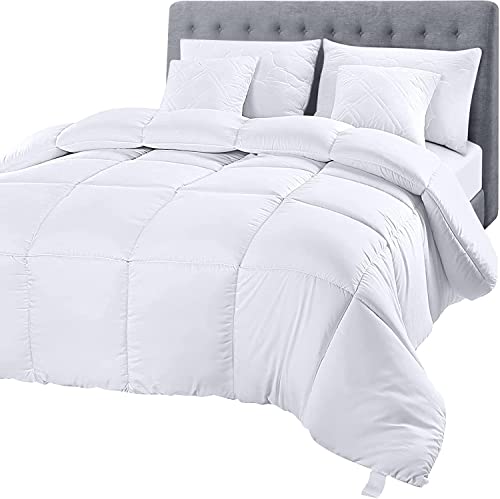
A comforter is a type of bedding that provides warmth and comfort, typically filled with synthetic materials, down, or a combination of both. Unlike blankets, comforters are usually thicker and come in quilted designs that keep the filling evenly distributed. It’s important to know that comforters serve both a practical purpose—keeping you warm—and an aesthetic one, adding a stylish touch to your bedroom.
Key Features to Consider
When looking for a comforter, consider several key features such as warmth level, weight, and the type of filling. Some comforters are designed to provide extra warmth, while others are lightweight for warmer climates. It’s also worth noting that different fillings offer different levels of insulation and breathability. A down comforter, for example, is typically warmer but may not be the best option for those with allergies.
Materials Matter: Choosing the Right Fabric for Your Comforter
Types of Comforter Fabrics
Comforters come in various fabrics, each affecting feel and breathability. Cotton is a popular choice due to its softness and durability, while polyester offers affordability and easy care. Silk adds a luxurious touch but may require special handling. Choose a fabric that suits not only your comfort preferences but also your lifestyle, considering how much time you will spend cleaning or maintaining it.
Fill Options and Their Benefits
The filling of your comforter significantly impacts performance. Down is soft and lightweight, known for its excellent insulation properties, making it ideal for colder climates. Synthetic fills, such as polyester or microfiber, often mimic the fluffiness of down but tend to be hypoallergenic. For those seeking eco-friendliness, look for options using recycled materials that are both sustainable and comfortable.
Size Selection: Finding the Perfect Fit for Your Bed
Standard Comforter Sizes
To ensure a snug fit for your bed, it’s essential to choose the correct size comforter. Standard sizes are Twin, Full/Queen, and King. Measure your mattress dimensions and consider how much overhang you prefer. If you like a more dramatic look, select a comforter that is a size larger than your mattress for added coverage.
Layering Options
Many people enjoy layering bedding to create a cozy look and feel. If you plan to add a coverlet or bedspread, ensure that your comforter complements these pieces in size and style. Layering not only enhances comfort but also allows for easy adjustments for changing temperatures throughout the night.
Seasonal Comfort: Picking the Ideal Comforter for Every Climate
Choosing for Different Seasons
Selecting a comforter based on the season can enhance your sleep quality. For warmer months, consider lightweight options that promote airflow to prevent overheating. On the other hand, during colder seasons, heavier comforters with thicker fills will keep you snug. You may also consider investing in a year-round comforter that offers adaptability by providing adequate warmth during colder nights while remaining breathable in warmer conditions.
Climate Considerations
If you live in a particularly humid or dry climate, this will also impact your comforter choice. In humid areas, go for breathable fabrics that wick moisture away, helping you stay cool. Conversely, in dry climates, thicker comforters can help retain warmth and humidity, making your sleeping environment cozier.
Care and Maintenance: How to Keep Your Comforter Fresh and Clean
Cleaning Your Comforter
To keep your comforter in top shape, regular cleaning is necessary. Most comforters can be machine washed, but always check the care label for specific instructions. A gentle cycle with cold water is usually recommended, along with a mild detergent. If your comforter is filled with down, it’s a good idea to add dryer balls during the drying process to maintain fluffiness.
Storage Tips for Longevity
When it’s time to store your comforter, keep it in a breathable bag or cotton storage container to prevent moisture buildup, which can lead to mold. Avoid placing heavy items on top of the comforter during storage, as this can compress the fill and affect its ability to provide warmth. Taking care of your comforter not only enhances its lifespan but also ensures that it remains fresh and welcoming every time you make your bed.