



Understanding the Importance of Child Car Seats
Why Car Seats Matter for Child Safety
When we think about keeping our children safe while traveling, car seats become essential. They are designed specifically to protect young passengers in case of an accident. Unlike regular seat belts, child car seats secure children in a way that distributes crash forces across sturdier parts of the body, reducing the risk of injury. As parents, it is our responsibility to ensure that our little ones are correctly restrained according to their age, weight, and height. This means understanding the significance of using the right car seat to provide the best possible protection.
Legal Requirements and Recommendations
Most states have laws that require children to be in an appropriate car seat until they reach a certain age, weight, or height. These regulations are in place for a reason—statistics show that using the correct car seat can reduce the risk of injury by more than half. Not only do we want to comply with the law, but we also aim to prioritize the safety of our children during every ride. Educating ourselves about these requirements will help us make informed choices about our child’s safety.
Choosing the Right Type of Child Car Seat for Your Child
Different Types of Car Seats Explained
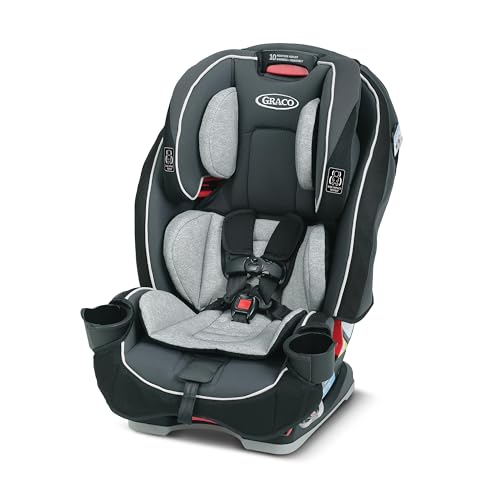
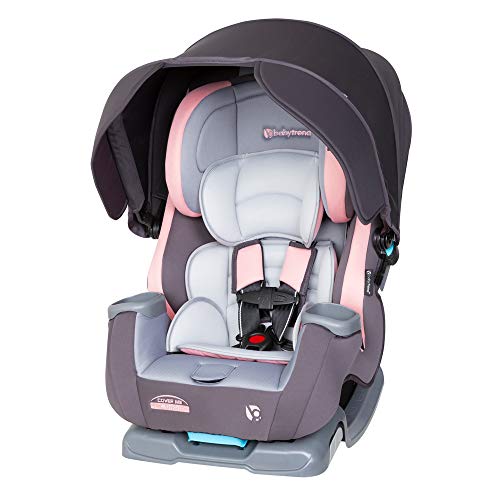
When selecting a car seat for our child, we must first consider the different types available. Infants need rear-facing car seats, which cradle their fragile heads and necks. As they grow, convertible car seats are a fantastic option since they can be adjusted from rear-facing to forward-facing, providing extended use. Booster seats come next, elevating children so that standard seat belts fit correctly and safely. Recognizing which type fits our child’s current stage is essential for ensuring their safety as they grow.
Age and Weight Considerations in Car Seat Selection
Children grow quickly, and it’s important for us to choose car seats based on both their age and weight. For infants typically up to 2 years old, the rear-facing car seat is the optimal choice. Once they exceed the weight limit of infant car seats while remaining under the age of 4, transitioning to a forward-facing car seat is the next step. A booster seat will then be necessary once they outgrow forward-facing seats, generally around 4 to 8 years old, or until they reach a height of about 4’9″. This progression ensures that our child’s changing needs are adequately met.
Safety Features to Look for in Car Seats
Key Safety Features to Prioritize
When examining car seats, keeping an eye out for vital safety features is crucial. We should look for a 5-point harness system, which firmly secures our child at the shoulders, waist, and between the legs. Side-impact protection is also important, as it adds additional cushioning in cases of collision. Another feature to consider is the energy-absorbing foam, which can help reduce the force experienced during a crash. By prioritizing these features, we can ensure that the car seat provides maximum protection.
Ease of Use and Adjustability
Safety isn’t the only aspect to consider—a car seat that is easy to use can greatly enhance compliance. We should choose car seats with adjustable harness systems that can adapt as our child grows, along with user-friendly features that make installations straightforward. A car seat that is difficult to use might lead us to misuse it, thus compromising safety. Features such as easy-to-follow instruction manuals and clear indicators for correct installation will be beneficial.
Installation Tips for Optimal Safety
Getting the Installation Right
Installing a car seat correctly is one of the most critical steps we can take to ensure our child’s safety. We must carefully read the instruction manual that comes with the car seat, as it provides specific guidance based on the model. Angling the seat correctly, especially for rear-facing seats, is crucial to protecting an infant’s head and neck. Additionally, we should ensure that the seat does not move more than an inch side-to-side or front-to-back once it’s installed. Taking our time and being patient with the installation process helps us secure the best possible protection for our little ones.
Using the Right Anchors and Tethers
Many newer car seats come equipped with the LATCH (Lower Anchors and Tethers for Children) system, which provides a straightforward way to secure the car seat without using seat belts. We should ensure we are using either the seat belt or the LATCH system, but not both, to avoid compromising the installation. Always check that the seat’s anchors are tightly secured, as even a small amount of slack can significantly increase the risks during an accident.
Maintenance and Care for Longevity of Your Car Seat
Regular Checks and Cleaning
To keep our car seat in optimal condition, regular checks and cleaning are essential. Periodically inspecting the car seat for wear and tear ensures it maintains its safety standards. We should also clean the seat according to the manufacturer’s instructions, typically by removing the fabric cover and laundering it safely. By keeping the car seat in good condition, we not only extend its life but also promote a safer environment for our children.
Understanding Expiration Dates and Replacing When Necessary
Car seats come with expiration dates, usually between 6 to 10 years from the date of manufacture. It’s vital for us to keep track of this timeframe since the materials can degrade over time, potentially impacting safety. When in doubt, we should refer to the car seat’s label for its specific expiration date. Replacing an expired car seat will ensure that our child is always secured in a safe, reliable seat.