



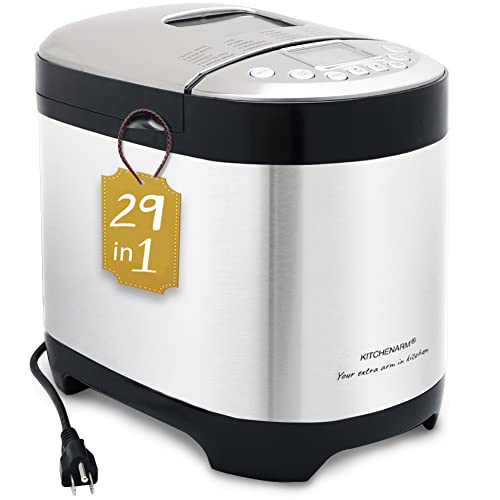


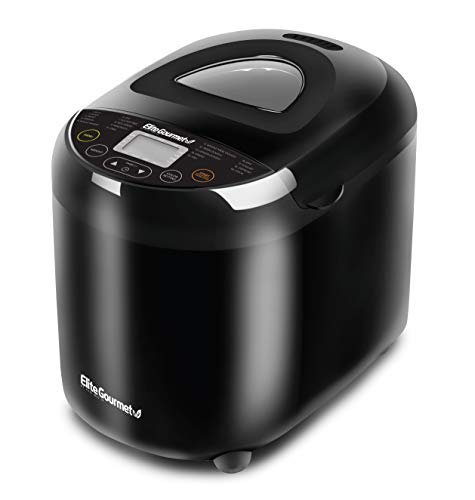
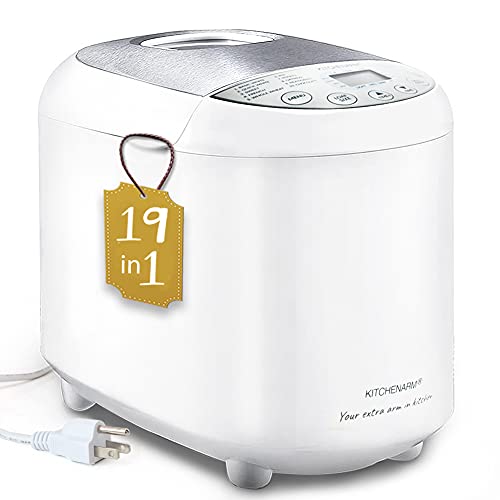


Understanding the Benefits of a Bread Maker: Fresh Bread at Home
Why Fresh Bread is Special
Imagine walking into your kitchen and being greeted by the warm, inviting aroma of freshly baked bread. This isn’t just a comforting image; it’s a daily possibility when you invest in a bread maker. Fresh bread is not only tastier than store-bought options but also allows us to control the ingredients, ensuring we are eating healthier. With a bread maker, we can enjoy the satisfaction of baking our own bread without the typical hassle of kneading dough by hand or monitoring temperatures.
Convenience and Customization
One of the primary benefits of having a bread maker is the convenience it offers. We can set it up and walk away, letting it do all the work while we focus on our daily activities. Additionally, we have the flexibility to customize our recipes. Whether we want to swap out standard flour for whole grain, add seeds, or even incorporate herbs and spices, we can create bread tailored to our tastes and dietary requirements.
Key Features to Consider: What Makes a Great Bread Maker
Capacity Matters
When selecting a bread maker, the capacity is crucial. Most machines offer different sizes, typically ranging from one to two pounds. If we often bake bread for a large family or love to share, a larger capacity is ideal. Conversely, for small households or individuals who may only bake occasionally, a smaller model can suffice.
Programmable Settings for Versatility
Look for models that offer multiple programmable settings. This feature allows us to bake different types of bread, including gluten-free options, as well as settings for quick bake cycles. Such versatility means we’re not limited to just one type of loaf; we can experiment with various recipes, keeping our meals exciting.
Ease of Use and Cleaning
Opting for a user-friendly interface is key. We want a bread maker that doesn’t require extensive instruction to operate. Additionally, consider machines with non-stick bread pans or removable parts for easy cleaning. Simplifying the cleanup process can make our baking experience much more enjoyable.
Types of Bread Makers: Choosing the Right One for Your Needs
Basic Bread Makers
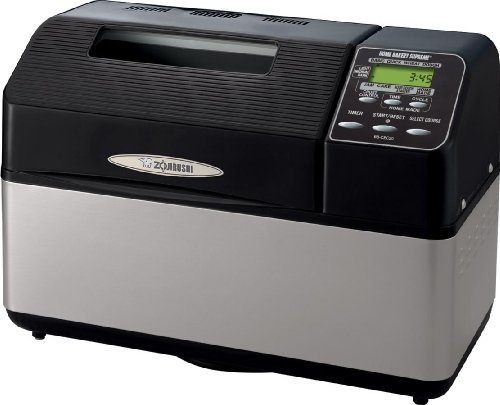
Basic bread makers are perfect for those who want nothing more than simple, homemade bread. They typically offer a range of settings, but with fewer options and features than advanced models. If we’re new to baking or seek a straightforward approach, this is an excellent choice.
Automatic Bread Makers with Advanced Features
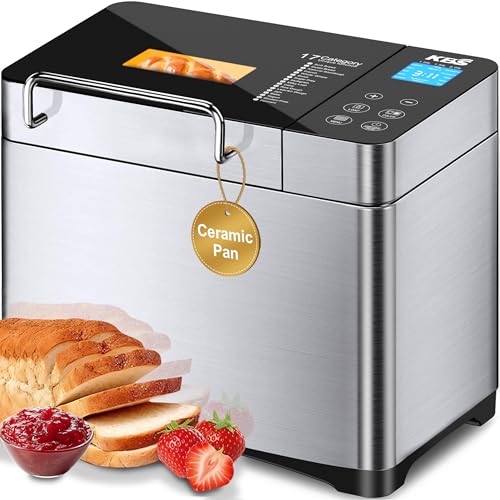
For those who want more control, automatic bread makers with advanced features are ideal. They often come with options for making dough, jam, and even cake batter. If we enjoy culinary experimentation, our investment in one of these machines will pay off.
Multi-Functional Appliances
In today’s market, we can find multi-functional appliances that combine the qualities of a bread maker with a slow cooker or rice cooker. These versatile machines cater to those who have limited countertop space but still want to enjoy the benefits of different cooking methods.
Step-by-Step Guide to Using Your Bread Maker: From Ingredients to Fresh Loaf
Gather Your Ingredients
Before we begin baking, it’s essential to gather our ingredients. Typically, we will need flour, water, yeast, and salt, but our chosen recipe might also include sugar, milk, or butter. Always measure carefully, as this can impact the final product. It’s important to use high-quality ingredients to achieve the best flavor and texture.
Loading the Bread Maker
Once our ingredients are ready, we can load them into the bread maker according to the machine’s instructions. Usually, we start with liquids, followed by dry ingredients. It’s always a good practice to create a small well in the dry ingredients for the yeast to ensure proper activation.
Choosing the Right Settings
After preparing the ingredients and loading them into the bread maker, we set the preferences. This is where we choose the type of bread we’re making, crust color, and potentially the bread size. Most machines will guide us through these settings with simple controls. As we become more familiar with our bread maker, these choices will become second nature.
Maintenance Tips for Your Bread Maker: Ensuring Longevity and Performance
Regular Cleaning Routine
To keep our bread maker functioning optimally, establishing a regular cleaning routine is vital. After each use, we should remove the bread pan and kneading blade, washing them in warm, soapy water. It’s also essential to wipe the exterior with a damp cloth to keep it looking and working its best.
Check and Replace the Kneading Blade
The kneading blade is one of the most critical components of the bread maker. Over time, it can wear out or become damaged. We should check it periodically for signs of wear and replace it as needed to maintain good performance.
Proper Storage
When we’re not using our bread maker, it’s wise to store it in a dry place away from heat sources. This practice helps prevent damage to sensitive parts and keeps the machine clean and ready for our next baking adventure.