






Understanding Types of Blenders: Finding the Right Fit for Your Needs
Know Your Blender Types
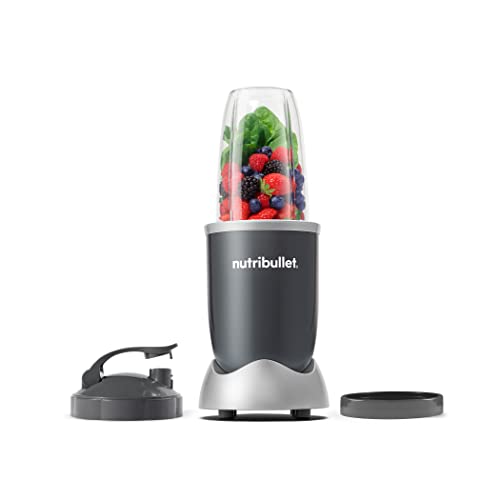
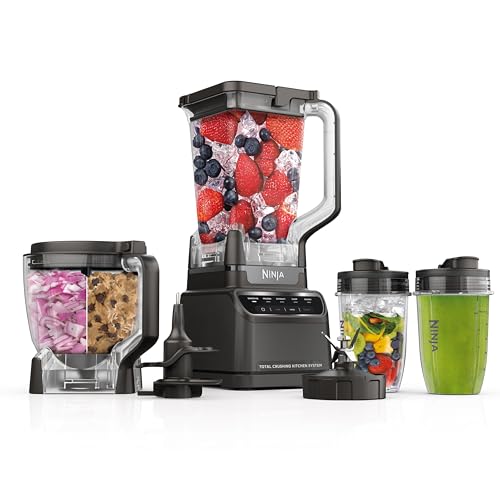
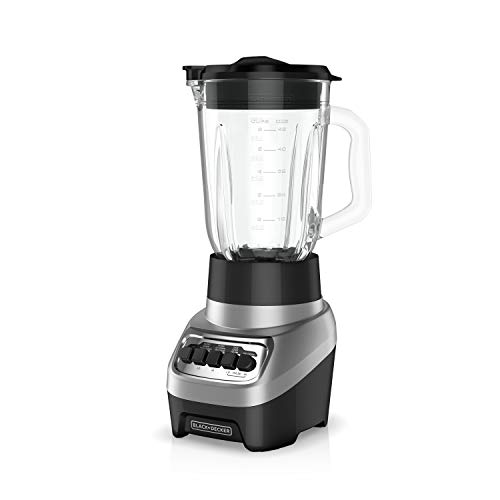
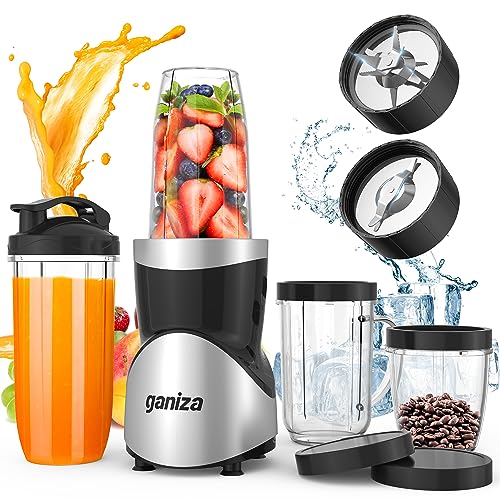
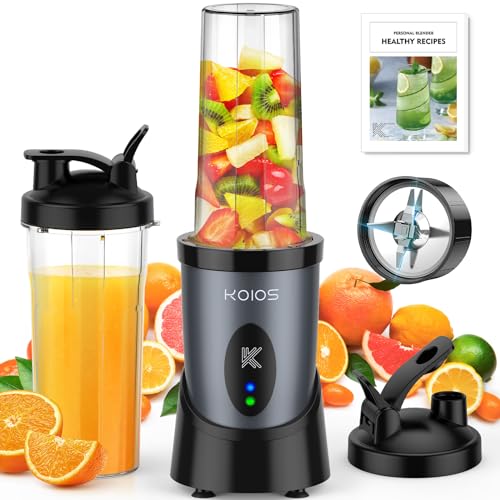
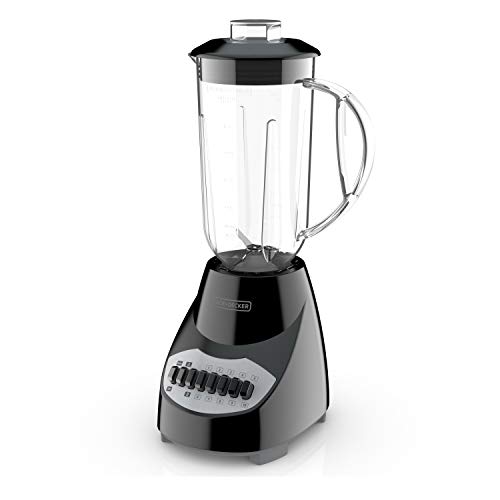
When choosing a blender, it’s crucial to understand that not all blenders are created equal. We have personal blenders, traditionally used for single servings or smoothies on the go, which are compact and easy to clean. On the other hand, countertop blenders are more powerful and suitable for larger batches, perfect for soups or sauces. High-performance blenders can handle tough ingredients like frozen fruits or hard vegetables, ideal if we often prepare smoothies or nut butters. Immersion blenders are convenient for smaller tasks and blending directly in pots or bowls. Each type serves different purposes, so we need to consider how we plan to use the blender before making our choice.
Assess Your Usage Needs
Think about your cooking habits and what you’ll be blending most often. If we enjoy making smoothies daily or whipping up sauces frequently, a high-performance or countertop blender would be an excellent investment. In contrast, if we’re looking for the occasional smoothie, a personal blender might suffice. Evaluating our typical recipes can help guide our decision, ensuring the blender we choose meets our specific needs.
Key Features to Look For: What Matters Most in a Blender
Power and Performance
Blender power is measured in watts, determining how effectively the appliance can blend tough ingredients. A blender with at least 600 watts is sufficient for making smoothies, while 1,000 watts or more is recommended for creating soups or crushing ice. If we often blend fibrous veggies or frozen fruits, consider a more powerful blender to save time and effort.
Blades and Jar Material
The blade quality is essential for efficient blending. Stainless steel blades are ideal as they are durable, resist rust, and provide strong performance. Regarding the jar, we generally have glass or plastic options. Glass jars are heavier but don’t stain or retain odors. Plastic jars are lighter and often break-resistant, but make sure to choose BPA-free materials for safety.
Ease of Cleaning
Consider how easy it is to clean the blender after use. Many models are dishwasher-safe, which adds convenience to our busy lives. Detachable blades are also easier to clean thoroughly. If we prefer a fuss-free experience, look for blenders that have self-cleaning functions, allowing us to blend some soap and water to clean them without needing to disassemble any parts.
Setting Your Budget: How Much Should You Spend on a Blender?
Identify Your Budget Range
Blenders are available at various price points, typically ranging from $30 for basic models to over $600 for high-end, professional-grade products. Setting a realistic budget is essential and should correlate with how much we plan to use the blender. If we will use it regularly, opting for a mid-range to high-end model often proves worthwhile, while casual users might find a budget-friendly option sufficient.
Consider Long-term Value
It’s essential to analyze the long-term value rather than just the initial price. A higher upfront investment in a durable and versatile blender can save money in the long run through its longevity and effectiveness. We should factor in how often we’ll be using the blender and what features we truly need to maximize our investment.
Top Blender Brands: Who to Consider for Quality and Reliability
Research Well-Known Brands
When shopping for a blender, focusing on reputable brands can ensure we’re purchasing quality. Brands like Vitamix and Blendtec provide stellar performance and durability, often preferred by culinary enthusiasts. Meanwhile, brands like Ninja and Hamilton Beach offer reliable models at more accessible prices. Evaluating customer reviews and experiences can guide us in selecting a brand known for reliability.
Evaluate Warranty Options
Warranty protection can reflect a brand’s confidence in its product. Brands that offer extended warranties, often three years or more, tend to have models that are designed for longevity. This also indicates that the company stands by its product, giving us peace of mind with our investment.
Using Your Blender: Tips for Getting the Most Out of Your Purchase
Master the Basics
To make the most of our blender, we should start with understanding how to stack our ingredients correctly. Generally, it’s best to add liquids first, followed by soft ingredients, and then hard items on top to ensure everything blends smoothly. This method helps the blades work effectively and reduces the chance of ingredients sticking.
Experiment with Recipes
Getting creative and experimenting with various recipes can turn blending into an exciting endeavor. From smoothie bowls and sauces to soups and nut butters, trying out different recipes can illuminate the full potential of our blender. We recommend exploring recipe books or online resources for ideas and tips to ensure we are using our blender to the fullest.