







Understanding Bicycle Lights: Why They Matter for Your Safety
The Importance of Visibility on the Road
When we ride our bicycles, being visible to others is crucial for our safety. Just imagine cycling along a road, illuminated by the streetlights, with cars whizzing by. Without effective lights, drivers may not see us until it’s too late. Bicycle lights provide that critical visibility, ensuring that both the rider and the bicycle stand out against the backdrop of dusk or darkness. This not only protects us from accidents but also increases our confidence when navigating through low-light conditions.
Enhancing Nighttime Riding Experience
Riding at night can be an exhilarating experience, but it also comes with risks. With the right bicycle lights, we can illuminate our path effectively. Picture a calm evening ride where the road ahead is bright and inviting. Quality lights will not only help us see better but will also allow others to see us from a distance, minimizing the chance of unfortunate incidents. Using lights means we can enjoy our rides without constantly worrying about what’s around us.
Types of Bicycle Lights: Choosing the Right Fit for Your Rides
Front Lights: Illuminate Your Path Ahead
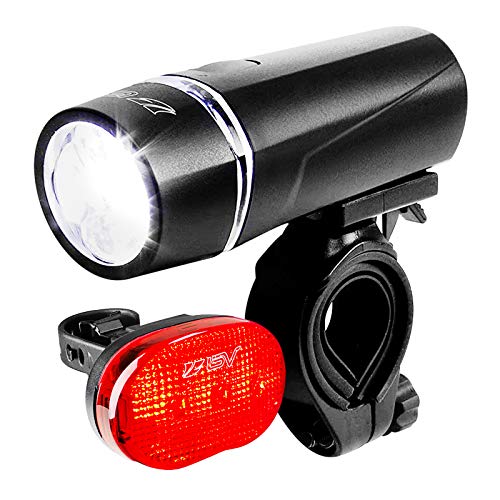
Front bicycle lights are designed to illuminate the road directly in front of us, which is essential for spotting potholes, debris, or other obstacles. These lights come in various brightness levels. A typical front light ranges from 100 to 1000 lumens. For urban riding, a light that emits around 200-300 lumens is usually sufficient to light up the road while also being noticeable to approaching vehicles. If we ride in darker, rural areas, aiming for a higher lumen count will offer better visibility.
Rear Lights: Ensure You’re Seen from Behind
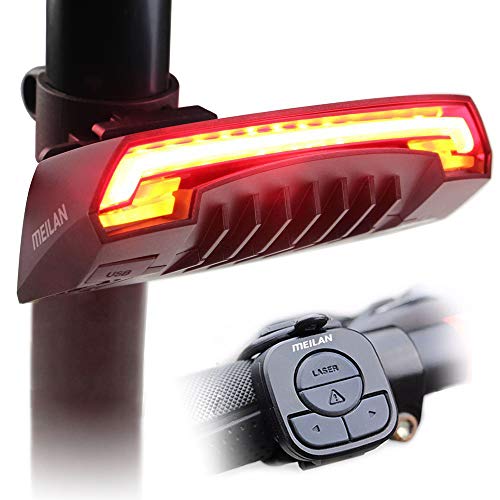
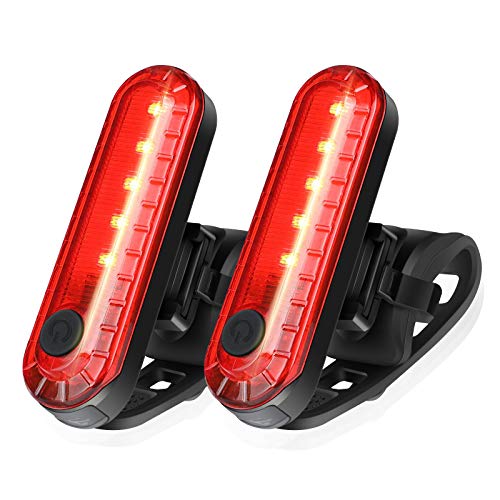
Rear lights play a vital role in making sure we are visible from behind. Most rear lights emit a flashing red light, which helps alert drivers that there is a cyclist ahead. A brighter option can catch the attention of car drivers even in daylight. Many recommend having a rear light with at least 20 lumens, as this is bright enough to be spotted during the day. A rear light that is easy to mount and remove is also ideal, as it allows for quick adjustments or transportation.
Combination Lights: Best of Both Worlds
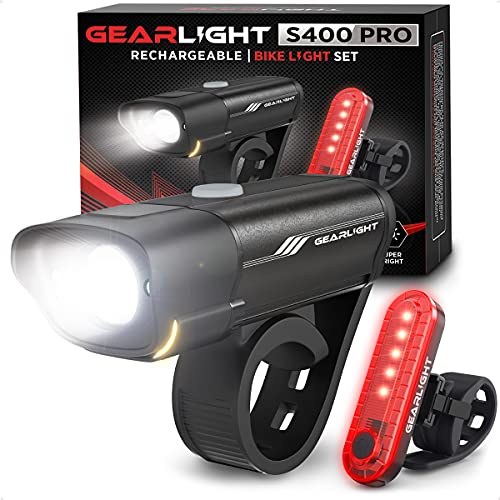
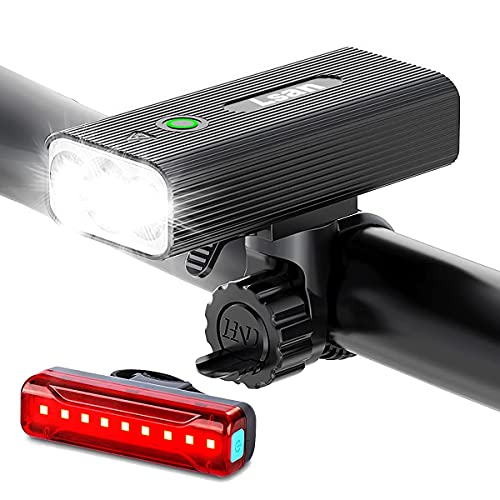
For those looking for a comprehensive solution, combination lights that include both front and rear capabilities are an excellent choice. These setups often provide varying brightness and flash settings, allowing us to adapt based on the riding conditions. They are perfect for commuting or casual rides, ensuring full visibility whether facing oncoming traffic or approaching from behind.
How to Select Bicycle Lights: Key Features to Consider
Brightness: More Than Just Lumens
While brighter is often better when it comes to lights, it’s essential to think about the purpose behind that brightness. Besides checking the lumens, consider how the light disperses. Some lights concentrate their output to shine far ahead, while others provide a wider beam to illuminate more of the roadside. Depending on our riding environment, adjusting these features can make a significant difference.
Battery Life: Weighing Convenience Against Power
Battery life is another critical factor. Some lights offer rechargeable batteries, while others use disposable ones. Think about how often we ride and whether we’re okay with charging our lights regularly. A light with a long runtime can be a lifesaver on longer rides, where we might not have access to a charging source. Furthermore, many lights now feature battery indicators, so we always know how much power we have left.
Mounting Options: Ease of Use Matters
When selecting bicycle lights, consider how easy they are to mount and dismount. A light that requires tools or significant effort to install can become a hassle. Look for quick-release options that allow us to take the light with us when parked and avoid theft. Ease of installation can also mean we can easily switch lights between different bicycles if needed.
Installation and Maintenance Tips for Long-lasting Performance
Simple Steps for Installation
Once we have our lights, installation should be straightforward. Typically, the front light mounts on the handlebars and the rear light on the seat post or saddle. We should ensure that they are positioned at a height where they won’t be blocked by our body while riding. Secure the fittings tightly, but not so tight that they risk breaking the light upon removal. Following the manufacturer’s instructions can make this process even easier.
Cleaning and Maintenance for Longevity
To keep our lights performing well, regular cleaning is essential. Dust, dirt, and moisture can accumulate over time, affecting brightness and battery life. We can wipe our lights down with a soft cloth occasionally, especially if we ride in wet or muddy conditions. Additionally, always check the battery and connections for signs of corrosion or wear to ensure everything functions correctly before heading out.
Frequently Asked Questions about Bicycle Lights: Your Quick Guide
How Bright Should My Bicycle Lights Be?
When it comes to brightness, aim for at least 200 lumens for front lights and around 20 lumens for rear lights. Yet, the ideal brightness can vary based on your riding environment, so adjust accordingly.
Can I Use My Bicycle Lights in Wet Conditions?
Many bicycle lights are designed to be water-resistant or even waterproof. However, checking the specifications before riding in the rain is always a good idea to ensure durability.
How Often Should I Replace My Lights?
The lifespan of bicycle lights varies depending on usage and battery type. Rechargeable batteries generally last longer, but keeping an eye on performance and brightness will help determine when it’s time for a replacement. Regular maintenance can also extend the life of our lights.