




Understanding Automotive Diagnostic Tools: What They Are and Why We Need Them
The Basics of Automotive Diagnostic Tools
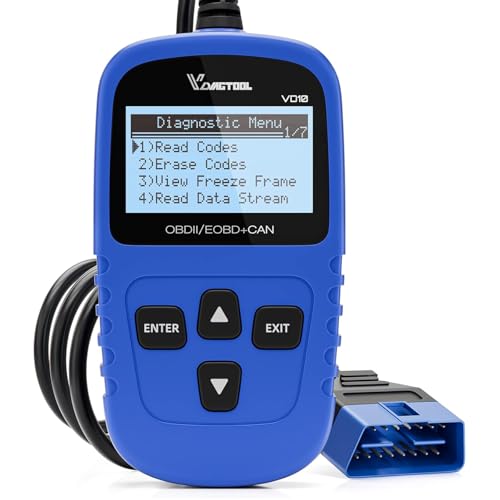
Automotive diagnostic tools are devices designed to communicate with a vehicle’s onboard computer. They help us retrieve data related to the vehicle’s performance and system health, allowing us to identify issues quickly and accurately. Imagine you’re experiencing a strange sound or a warning light on your dashboard; an automotive diagnostic tool can provide the insights needed to troubleshoot and resolve the problem more efficiently than guessing.
The Importance of Diagnostics in Vehicle Maintenance
With the growing complexity of modern vehicles, having a reliable automotive diagnostic tool enables us to maintain vehicle health proactively. For instance, instead of waiting for a complete breakdown, we can notice early signs through diagnostic codes, which suggest that something might be wrong. This proactive approach can save us both time and money on repairs.
Key Features to Look for in an Automotive Diagnostic Tool
Compatibility with Different Vehicle Brands
When shopping for an automotive diagnostic tool, it’s crucial to consider compatibility with various vehicle brands and models. Many tools have universal compatibility, but some may work better with specific makes. Imagine having a tool that can read the codes of any car you might own over the years—this flexibility is essential for both personal and professional uses.
User-Friendly Interface
An intuitive, user-friendly interface is a significant feature to look for. We want a tool that allows us to navigate through menus and settings easily, so we can quickly access relevant information. A cluttered or confusing interface can lead to frustration, especially when we’re in a hurry to diagnose a problem.
Wireless Connectivity Options
Wireless capabilities are becoming increasingly important in diagnostic tools. A tool that connects to our smartphone or tablet via Bluetooth not only provides ease of use but also allows for real-time data sharing and updates directly to our devices. This means we can monitor our vehicle even when we’re away from the garage.
Top Automotive Diagnostic Tools of 2023: Our Best Picks
Affordable Options for Everyday Car Owners
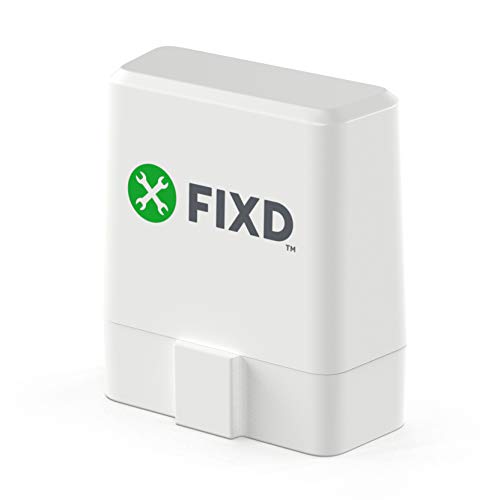
If we are looking for budget-friendly tools, options like the BlueDriver or FIXD are excellent choices. These devices provide a straightforward way to read codes and offer advantages like limited repairs and maintenance recommendations—all from the palm of our hands.
Advanced Tools for Professionals and Enthusiasts
For those of us who are car enthusiasts or professionals, more advanced tools like the Launch X431 or Snap-On Solus may better suit our needs. These tools offer extensive features, including live data, special functions, and coverage for exotic or luxury vehicles, providing the depth required to deal with more complex diagnostics.
How to Use an Automotive Diagnostic Tool Effectively: A Step-by-Step Guide
Setting Up Your Diagnostic Tool
First, we need to ensure that the diagnostic tool is compatible with our vehicle and then connect it to the vehicle’s OBD-II port, usually located under the dashboard on the driver’s side. Once the tool is connected and powered on, we can go ahead and select our vehicle’s information properly. This initial setup is crucial to ensure accurate diagnostics.
Reading and Interpreting Codes
After connecting, we can proceed with scanning for diagnostic trouble codes (DTCs). The tool will read any codes and provide us with descriptions. At this stage, we should take note of any codes displayed. Understanding these codes is key; many diagnostic tools come with built-in databases that offer explanations and possible fixes. We must focus on the outlined codes to effectively address the issues.
Clearing Codes and Testing Performance
Once we’ve noted the DTCs and carried out necessary repairs, we can use the tool to clear these codes. After clearing, it’s beneficial to start the vehicle and check if any warning lights reappear. This step reassures us that the issues have been resolved and that the vehicle is functioning correctly.
Maintaining Your Diagnostic Tool: Tips for Longevity and Performance
Regular Updates
To ensure our diagnostics tool stays current, we should regularly check for software updates. Most reputable brands offer updates that improve functionality and expand vehicle coverage, which is crucial as vehicle technology continues to evolve.
Proper Storage and Handling
When not in use, keeping the tool in a protective case can prevent damage from dust or drops, ensuring it remains in optimal condition. We should also handle the device carefully, avoiding exposure to extreme temperatures or moisture, which can affect its performance.