




Understanding All-Season Tires: What They Are and How They Work
What Are All-Season Tires?
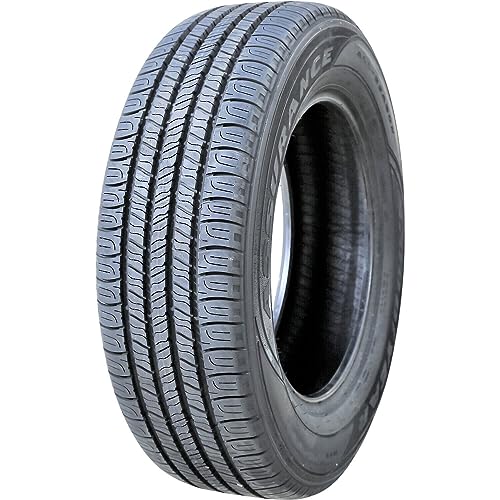
All-season tires are designed to offer a balance of capabilities in various weather conditions. Unlike summer or winter tires, all-season tires provide satisfactory performance in light snow, rain, and dry conditions. They feature a tread pattern that balances grip and tread wear, making them a versatile option for year-round driving.
How All-Season Tires Function
The unique design of all-season tires includes a medium hardness rubber compound that provides flexibility in colder temperatures while also maintaining durability in warmer conditions. Their tread patterns are engineered to channel water away from the tire, reducing the risk of hydroplaning, while still offering enough traction for light winter weather. This means we can drive confidently through a variety of seasonal challenges without needing to switch tires.
Key Features to Consider When Choosing All-Season Tires
Tread Composition and Pattern
When selecting all-season tires, we should look closely at the tread composition and pattern. A tire that uses a high-quality rubber compound will provide better traction, handling, and durability. Certain tread patterns are designed to enhance grip on wet roads while also offering stability when temperatures rise. Selecting tires with a symmetrical tread design can be beneficial for balance and even wear.
Tread Wear Rating
Every tire comes with a tread wear rating, which indicates how long the tire can be expected to last under normal driving conditions. When we know the expected lifespan of the tire, we can make an informed decision. Look for tires with a higher tread wear rating to ensure longevity, which translates to better value over time.
Load Index and Speed Rating
Understanding the load index and speed rating is crucial, especially if we often travel with heavy loads or at high speeds. The load index tells us how much weight each tire can safely support, while the speed rating indicates the maximum speed the tire can handle. Choosing tires with a load index and speed rating appropriate for our vehicle and driving habits is key to ensuring safety and performance.
Benefits of All-Season Tires: Why They Might Be Right for You
Versatility Across Weather Conditions
All-season tires shine in their versatility. For those of us who live in regions with moderate climates, they provide a dependable solution without the hassle of changing tires for different seasons. This means less time and money spent on tire changes and storage.
Cost-Effective Solution
By opting for all-season tires, we often save money in the long run. Instead of purchasing separate sets of tires for warmer and colder months, all-season tires allow us to have one solution that performs adequately throughout the year. Less maintenance and fewer replacements also contribute to overall savings.
Comfort and Noise Level
Many all-season tires are designed with driving comfort in mind. Their tread patterns typically minimize road noise, making for a quieter ride even on highways. If we value a comfortable driving experience, this is an important feature to consider.
Comparing Leading All-Season Tire Brands: Our Top Picks
Popular Brands Overview
When it comes to all-season tires, several brands stand out that we can consider. Brands like Michelin, Bridgestone, and Goodyear are known for their quality. These manufacturers have invested time and resources into research and development, producing tires that consistently perform well across various conditions.
Warranty and Customer Support
It’s beneficial to choose brands that offer strong warranties and customer support. This indicates the manufacturer’s confidence in their product and ensures we’ll have assistance should any issues arise. A good warranty can protect our investment, providing peace of mind when we hit the road.
Maintenance Tips for Your All-Season Tires: Keeping Them in Top Shape
Regular Inspections
Routine inspections of our all-season tires can extend their lifespan significantly. We should check for uneven wear, tire pressure, and any visible damage regularly. Maintaining the correct air pressure helps improve fuel efficiency and ensures optimal tire performance.
Rotation and Balancing
Tire rotation should be performed according to the manufacturer’s recommendations, typically every 5,000 to 7,500 miles. This simple step promotes even wear across all tires, prolonging their life and enhancing our vehicle’s handling and safety. Additionally, balancing tires can prevent vibrations while driving.
Proper Storage When Not in Use
If we need to store our tires, keeping them in a cool, dry place away from direct sunlight is essential. This prevents the rubber from deteriorating and helps maintain the tires’ integrity for the next season. Proper storage techniques can preserve the performance trajectory we rely on.