




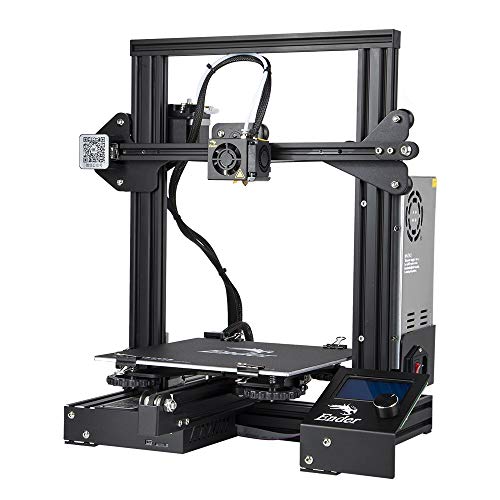


Understanding 3D Printing: What You Need to Know Before Buying
What is 3D Printing?
3D printing, or additive manufacturing, allows us to create three-dimensional objects from digital files. Imagine having the ability to turn a digital idea or design—like a toy or a custom tool—into a physical item right at home. By adding material layer by layer, 3D printers build objects in a process that music lovers might compare to layering the instruments in a track, creating a full piece of music from an initial melody.
Why Consider 3D Printing?
Investing in a 3D printer opens up a world of creativity. Whether we want to create prototypes for a new invention, unique custom items, or simply indulge in a new hobby, 3D printing is versatile. If you’ve ever thought about making personalized gifts or home décor, having a 3D printer means we have the tools to bring those ideas to life without needing extensive skills or resources.
Choosing the Right 3D Printer: Key Features to Consider
Printer Type: Which is Best for You?
When selecting a 3D printer, we often encounter two main types: Fused Deposition Modeling (FDM) and Stereolithography (SLA). FDM printers are more common and typically work by melting plastic filament to build objects layer by layer. They are user-friendly and perfect for beginners. On the other hand, SLA printers use a resin and a laser to cure the liquid into solid objects—ideal if we are aiming for high precision and detailed finishes.
Build Volume and Print Size
Another important feature to evaluate is the build volume, which determines the maximum size of the objects we can print. If we envision large models or multiples at once, opting for a printer with a larger build volume can save us time and material. A small build volume might suit those who only plan on creating small items or detailed miniatures.
Ease of Use and Setup
We should also consider how easy the printer is to set up and operate. Some models come pre-assembled, while others might require significant setup knowledge. Features such as touchscreen interfaces or Wi-Fi connectivity can enhance user experience by making operations more intuitive, especially if we are new to 3D printing.
Materials Matter: A Guide to 3D Printing Filaments
Understanding Different Filament Types
The material we use in our 3D printer, known as filament, directly affects the quality and durability of our prints. Common filaments include PLA, a biodegradable plastic that’s easy to work with and perfect for beginners, and ABS, which is more heat resistant and good for functional parts. If we are looking for something flexible, we can choose TPU filament, which allows us to create soft, rubber-like items.
Choosing the Right Material for Your Project
Selecting the appropriate filament for our project will depend on the intended use of the object we’re creating. If we want decorative pieces, PLA is generally the go-to, while ABS might be better for something that needs to withstand more wear and tear. Always think about aesthetics and function when making our choice.
Setting Up Your 3D Printer: A Step-by-Step Walkthrough
Initial Setup and Calibration
After unboxing our 3D printer, the first step is to carefully follow the assembly instructions, if needed. Calibration is crucial for print success. This involves leveling the print bed and setting the nozzle height, which, while it might sound technical, is manageable. We simply need to make sure the nozzle is just the right distance from the print bed—that’s where the magic happens.
Loading Filament and Preparing the Print
Once our printer is set up, the next step is loading the filament. This can usually be done via the printer’s interface. Once loaded, we’ll also need to slice our 3D model file using slicing software—which converts the model into a format the printer understands.Think of this step like preparing a recipe before cooking—getting everything ready to ensure a smooth process.
Getting Creative: Fun Projects to Start with Your 3D Printer
Easy Projects for Beginners
Starting with simple projects allows us to get familiar with our new printer. We can begin with items like keychains, phone stands, or basic figurines—these require minimal adjustments and provide instant gratification. As we gain confidence, we can tackle more complex designs.
Exploring Advanced Projects
Once we’ve got the hang of simpler tasks, we can dive into projects such as custom game pieces or even mechanical objects. These projects might require more intricate designs and possibly some programming knowledge if we want to incorporate moving parts. Exploring the endless possibilities keeps the excitement of 3D printing alive.