





Understanding 3D Pens: What They Are and How They Work
What Is a 3D Pen?
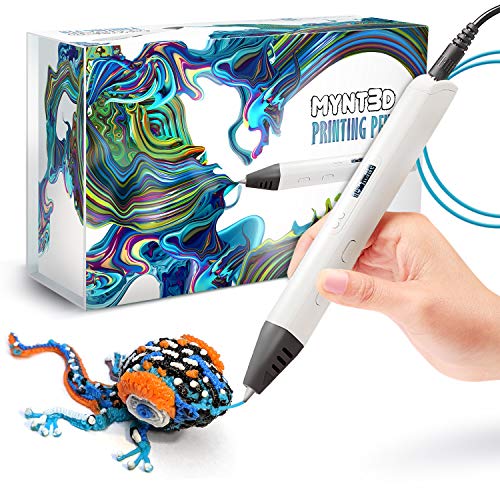
A 3D pen is a handheld device that allows you to draw in three dimensions. Unlike traditional pens that use ink, a 3D pen extrudes heated plastic. As the plastic cools, it hardens, enabling you to create intricate shapes and structures from scratch. Imagine sketching out a small sculpture or a model right in the air; that’s the magic of 3D pens!
How Do 3D Pens Function?
Using a 3D pen is quite simple. You start by inserting a plastic filament, which is often available in various colors, into the pen. Once you turn the pen on, the filament heats up and becomes malleable. When you press the button, the melted plastic flows out of the nozzle. As it cools, it solidifies very quickly, allowing you to build and layer your design continuously. Whether you’re making a simple doodle or a complex figure, the process allows for a lot of creative freedom.
Choosing the Right 3D Pen for Your Needs
Consider Your Skill Level
When selecting a 3D pen, it’s important to factor in your experience. For beginners, a pen with simple controls and adjustable temperature settings will be ideal. This makes it easier to get comfortable with the tool. More advanced users might prefer features such as precise speed control and a wider range of compatible filaments.
Look at Material Compatibility
3D pens typically use either PLA or ABS plastic filaments. PLA is user-friendly and biodegradable, making it a great choice for casual users. ABS, while more durable, can require more effort to work with due to the higher temperatures needed. We should choose a pen that is compatible with the materials we want to use, based on our intended projects.
Think About Ergonomics
Since we often hold a 3D pen for extended periods, comfort matters. Look for a pen that has an ergonomic design and feels good to hold. A lightweight pen might help reduce fatigue, especially for larger projects or longer creation sessions.
Essential Tips for Getting Started with Your 3D Pen
Practice Makes Perfect
Before diving into complex projects, it’s wise to practice. Start with basic shapes like circles, squares, and lines. Building your confidence with simple designs will prepare you for more intricate creations later. Take the time to get a feel for how the pen functions and how quickly you need to move for the best results.
Use a Stable Surface
When working with a 3D pen, we recommend using a solid, stable surface to avoid any slips while drawing. A flat, non-stick surface can prevent our creations from sticking to the work area and make for easier cleanup. If you’re crafting something larger or standing up, consider using a mat or board that gives you enough space to work.
Plan Your Projects
Having a plan can really help streamline the creation process. Sketch out your design on paper first. This visual aid will guide you as you draw in 3D and will minimize mistakes. Additionally, this planning can help you make the most of the plastic filament and avoid waste.
Creative Projects You Can Make with a 3D Pen
Personalized Accessories
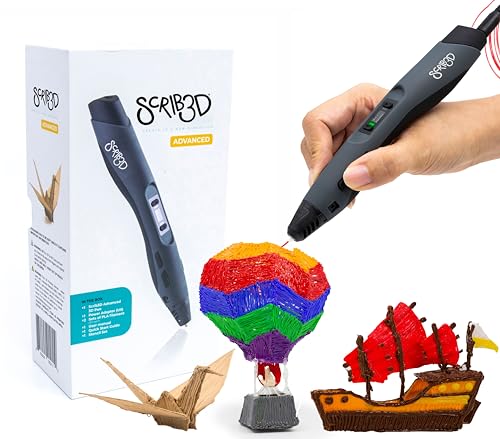
A 3D pen offers endless possibilities for creating personalized accessories. Think about making custom jewelry, phone cases, or even keychains featuring your favorite designs or initials. With a bit of creativity, you can create wearable art that reflects your individual style.
Home Decor Enhancements
You can enhance your living space with unique decor made from a 3D pen. Items like decorative bowls, art pieces, or picture frames become your canvas. Consider making seasonal decorations for holidays or distinctive art pieces that can be conversation starters in your home.
Fun Toys and Models
Another exciting use for a 3D pen is in making toys and models. Create action figures, small cars, or detailed models of fantastic creatures. This not only provides hours of creative enjoyment but also can serve as great gifts for friends or even to decorate your space.
Maintenance and Care for Your 3D Pen to Ensure Longevity
Keep It Clean
Regularly cleaning your 3D pen helps maintain its performance. After each session, we should make sure to remove any leftover filament from the pen. Some pens even have cleaning filaments available that can help remove residue build-up, keeping the nozzle clear for optimal flow.
Check for Overheating
Because 3D pens use heat to melt the filament, it’s essential to monitor their cool-down periods. After an extended use, allowing the pen to cool down properly can prevent damage and prolong its life. Just be patient; giving it a breather pays off in the end.
Use Quality Filament
Not all plastic filaments are created equal. Opting for good quality filament can make a significant difference in your projects and the overall wear and tear on your 3D pen. Higher-quality materials often lead to fewer clogs and smoother operation, enhancing both the experience and the outcomes.